45th annual Special Olympics winter carnival strengthens Bemidji community bonds
The Confidence Learning Center hosted the 45th annual Special Olympics Winter Carnival on Jan. 9, bringing athletes with intellectual disabilities together for winter sports and community supports. The event reinforced local volunteer networks and promoted healthy, inclusive activity across Beltrami County.
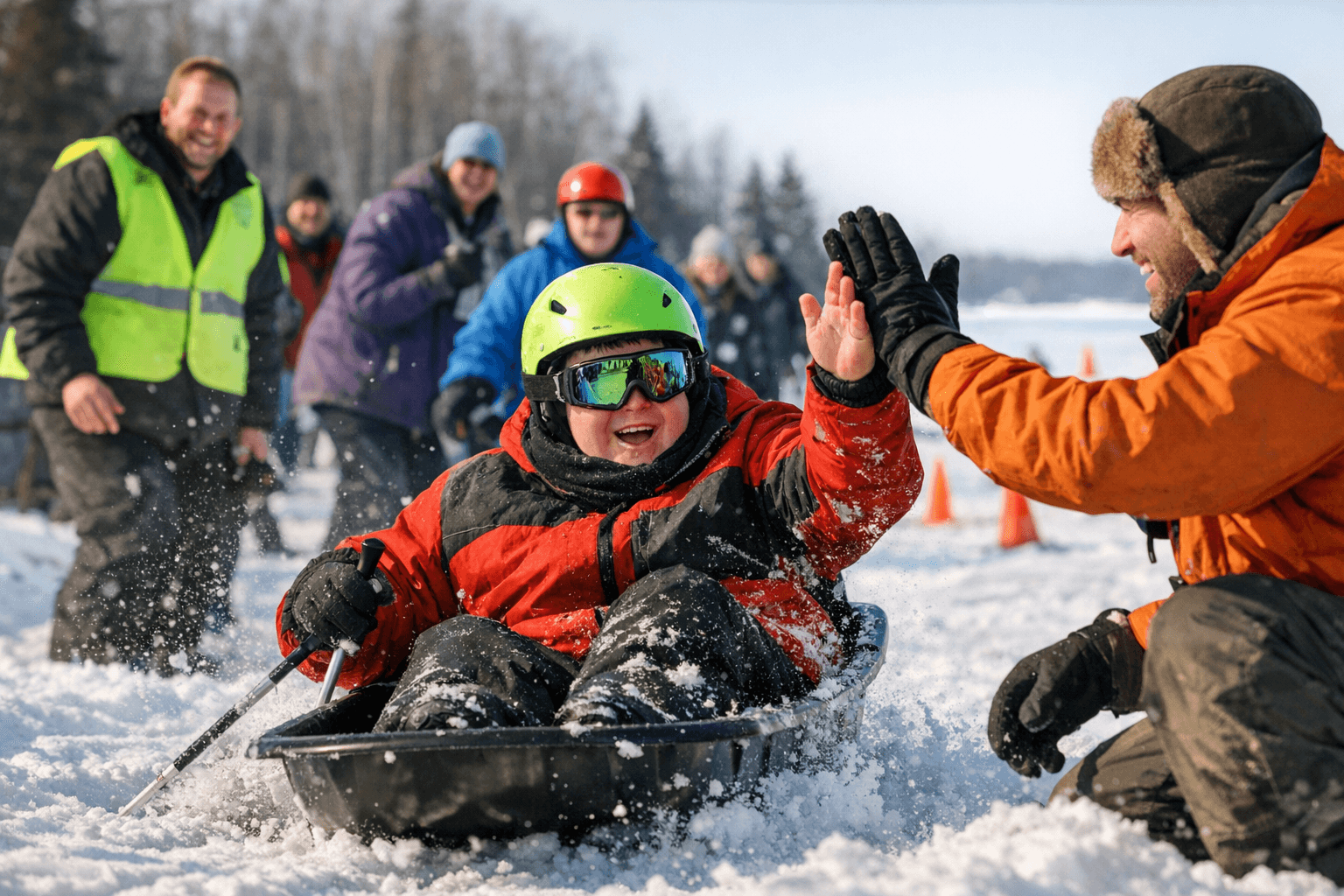
The Confidence Learning Center in Bemidji held its 45th annual Special Olympics Winter Carnival on Jan. 9, inviting athletes with intellectual disabilities from across Beltrami County and nearby communities to participate in winter sports and a day of organized supports. The long-running event combined recreational competition with family-friendly services and relied on a broad coalition of local volunteers and organizations to stage activities on well-maintained outdoor and indoor sites.
Organizers ran a program of winter sports and community supports designed to be accessible to athletes of varying ability levels. Volunteer coaches, timers, and support staff from area schools, nonprofits and civic groups provided the operational backbone for the day, while community partners supplied equipment, hot meals and warming stations so athletes and families could stay safe in typical northwoods winter conditions.
For local residents, the carnival is about more than medals. It serves as a visible expression of civic capacity and social capital built over nearly half a century. Events like this mobilize unpaid labor and in-kind contributions that strengthen civic ties while channeling modest economic activity to nearby businesses that serve visiting families and volunteers. The carnival’s continuity also signals stability for families seeking year-to-year programming for people with intellectual disabilities, a practical consideration for caregivers navigating schedules and transportation in a rural county.
Public health and inclusion are practical outcomes of the carnival. Regular physical activity and community participation contribute to better physical and mental health, which can translate into lower long-term demands on local health services. The event’s focus on accessible sports encourages routine exercise habits while normalizing participation for people with intellectual disabilities within the broader community.
From an economic and policy standpoint, the carnival highlights the role of local nonprofits and volunteer networks in supplementing scarce rural services. Sustaining events like this depends on stable volunteer pipelines, modest public and private support for facilities, and policies that prioritize accessible programming. Continued investment in winter-ready infrastructure and targeted outreach can help maintain participation and increase the event’s community benefits.
The takeaway? The Winter Carnival is both a celebration and a practical piece of community infrastructure. If you want to help keep it running, consider volunteering, supporting local partners who donate gear or meals, or simply attending next year to show up for your neighbors. Our two cents? Small acts of support make a big difference in Bemidji’s long-running tradition of inclusion.
Sources:
Know something we missed? Have a correction or additional information?
Submit a Tip