A Compact Pathfinder Starter Plan for New Players and GMs
Pathfinder can overwhelm new players and game masters because of its depth and rules complexity. This practical, concise onboarding plan lays out what to buy, what to read, and what to prepare for a smooth first session, so new groups can start playing without reading the entire library.
Pathfinder is rules heavy, and that abundance of material can slow down first games. Start by choosing a single clear path into the system, and use that path to learn by playing. The fastest entry is the Beginner Box or Starter Set, because it includes simplified rules, pregenerated characters, and a short adventure. If you can only get one PDF immediately, start here. After you have the basics, add the Player Core or Player’s Guide for PF2e to build characters beyond pregenerated options. Read the basic character creation chapter and the spells and feats relevant to your chosen class. On the GM side, pick up the GM Core and a GM Screen, because they explain how the system adjudicates checks, hazards, and combat pacing and provide quick encounter and treasure guidance.
Plan a short scenario rather than attempting a sprawling campaign. Run one short adventure or the first volume of an Adventure Path to give context and steady progression without overwhelming players. One session at a time keeps learning focused, and a short campaign of two to four sessions lets everyone practice pacing and character growth before tackling multi volume Adventure Paths.
Prepare practical first session materials. Read the adventure’s one page summary and the first chapter, note major NPC motivations and one or two set pieces, and prepare three to five keyed encounters and two social scenes. Keep a contingency if players go off the rails. Use pregenerated characters for a session with new players. If players create characters, help each one pick a clear concept and two core abilities to roleplay and lean on.
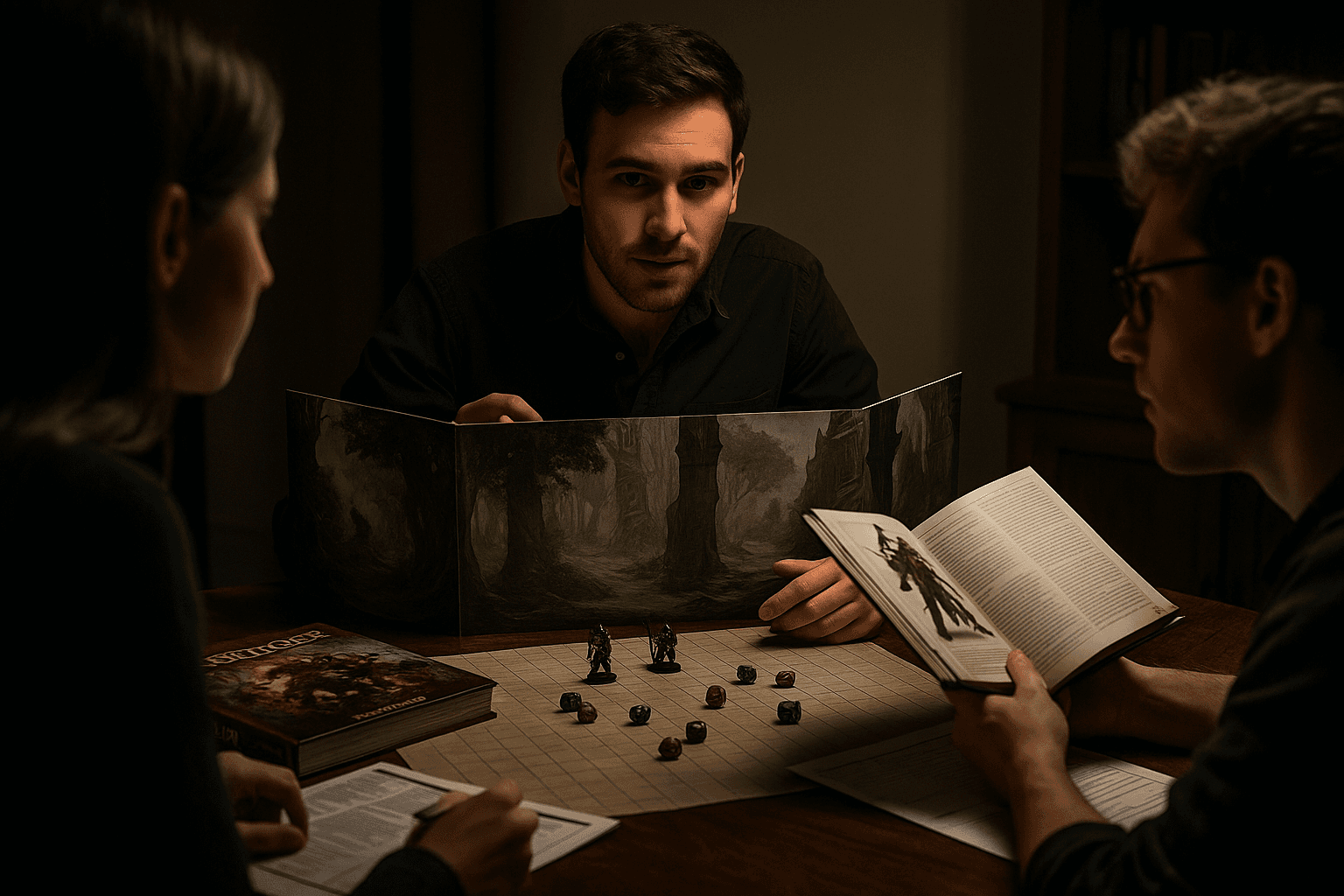
Keep play accessible. Focus on fun and pacing, and ignore rules perfection during the session. If a rule slows the game, mark it and look it up later. Use digital tools such as character builders and compendia to speed creation, then learn core rules by playing. Set a session zero to align tone and table safety, and join local groups or online beginner friendly sessions to learn by watching experienced GMs. Avoid overpreparing every skill and encounter. Prepare outlines and a few detailed scenes, and adopt a simple adjudication rule. Decide at the table, note it, and look it up after the session. This compact approach reduces friction, gets new players to the table faster, and helps communities welcome more newcomers to Pathfinder.