Aceh Tamiang Battles Disease and Displacement as Flood Toll Rises
Floods and landslides across Sumatra have left hundreds dead and many missing, and communities in Aceh Tamiang are now confronting outbreaks of illness, tainted water and an overwhelmed health system. The unfolding crisis highlights urgent humanitarian and logistical challenges, and underscores broader regional vulnerabilities to extreme weather and infrastructure fragility.
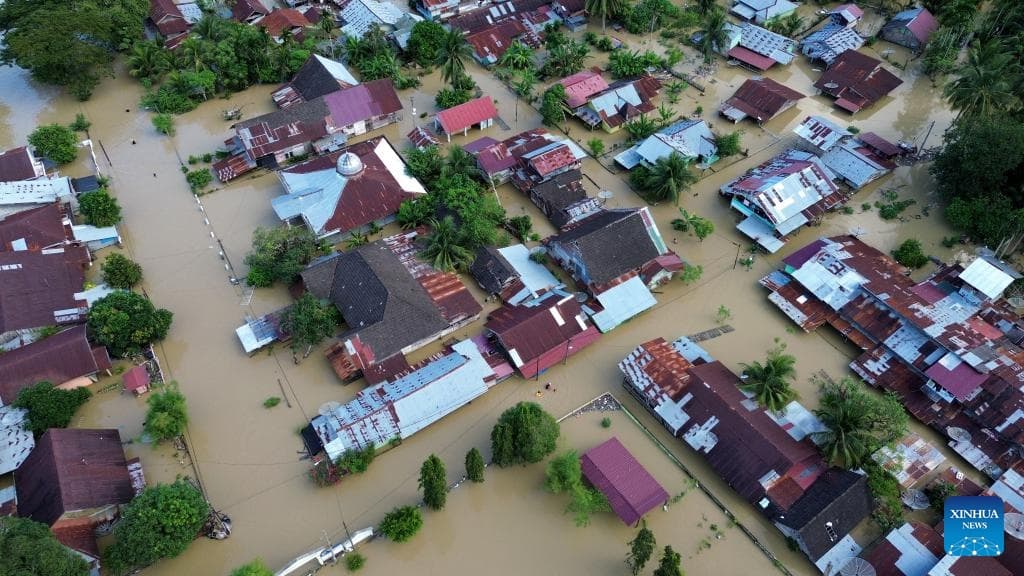
Communities in Aceh Tamiang are struggling to contain disease and meet basic needs after cyclone driven floods and landslides devastated parts of Sumatra, officials and aid sources said on Monday. The death toll across the island has risen into the high hundreds, with many more people still unaccounted for as emergency teams continue searches in remote areas.
Floodwaters swept through villages, contaminating wells and latrines and leaving thousands displaced into makeshift shelters where overcrowding increases the risk of waterborne and respiratory illness. Local health services were quickly overwhelmed, with the sole hospital in the affected zone strained beyond capacity and unable to absorb the surge of patients and injuries. Medical staff and supplies are reported to be in short supply, complicating efforts to treat wounds, infections and chronic conditions among the displaced.
Aid workers have struggled to reach isolated communities cut off by landslides and damaged roads, creating a gap between urgent needs and the delivery of food, clean water, sanitation and medical assistance. Relief convoys have been delayed by debris and unstable terrain, while search teams face ongoing hazards as they comb mud clogged hamlets for missing residents.
International and domestic relief efforts have been mobilising, but the scale of the disaster and the logistical hurdles present immediate challenges. Humanitarian agencies and Indonesian authorities must coordinate a rapid expansion of health services, temporary shelter, water treatment and sanitation to prevent outbreaks from compounding the tragedy of the initial floods. Without swift intervention, public health specialists warn that contaminated water supplies and crowded conditions will sustain transmission of disease among vulnerable populations.
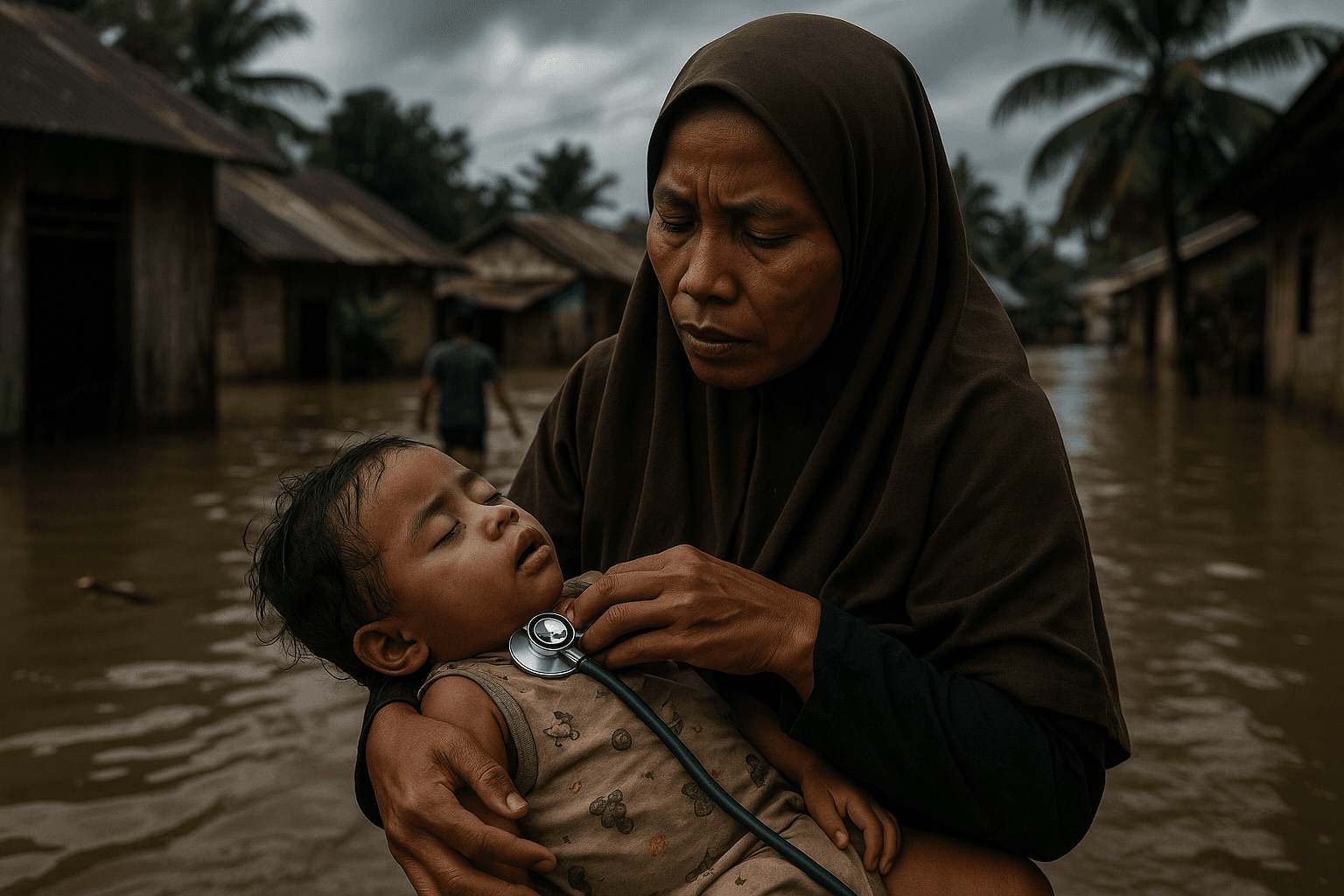
The situation in Aceh Tamiang recalls the region's painful memory of past catastrophes and the long process of recovery that followed. Local customs and community structures remain important channels for distributing aid and maintaining social cohesion, and responders face the dual task of delivering emergency assistance while respecting cultural norms and local governance arrangements.
Beyond immediate relief, the disaster raises questions for regional disaster preparedness and international cooperation. The floods were driven by a cyclone that battered parts of Sumatra and intensified due to unusually heavy rains. Experts have noted an increase in frequency and intensity of extreme weather events in Southeast Asia, a trend that places pressure on national infrastructure and disaster response systems.
Indonesia and its partners now confront the urgent work of restoring clean water, reinforcing medical capacity and establishing reliable logistics to reach remote villages. As searches continue for missing people, the broader imperative is to translate rapid relief into resilient recovery that addresses sanitation, health and housing needs. The path ahead will require sustained funding, operational coordination and sensitivity to local conditions to prevent a public health emergency from compounding a disaster that has already claimed hundreds of lives.