Adams County Christmas Tree Disposal Options, Dates and Resources
Adams County residents preparing to remove live Christmas trees and wreaths have multiple disposal and recycling options, including curbside pickup, village drop off sites and community chipping events. Knowing local rules and typical collection windows matters for reducing landfill use, avoiding fines, and supporting local composting and erosion control projects.
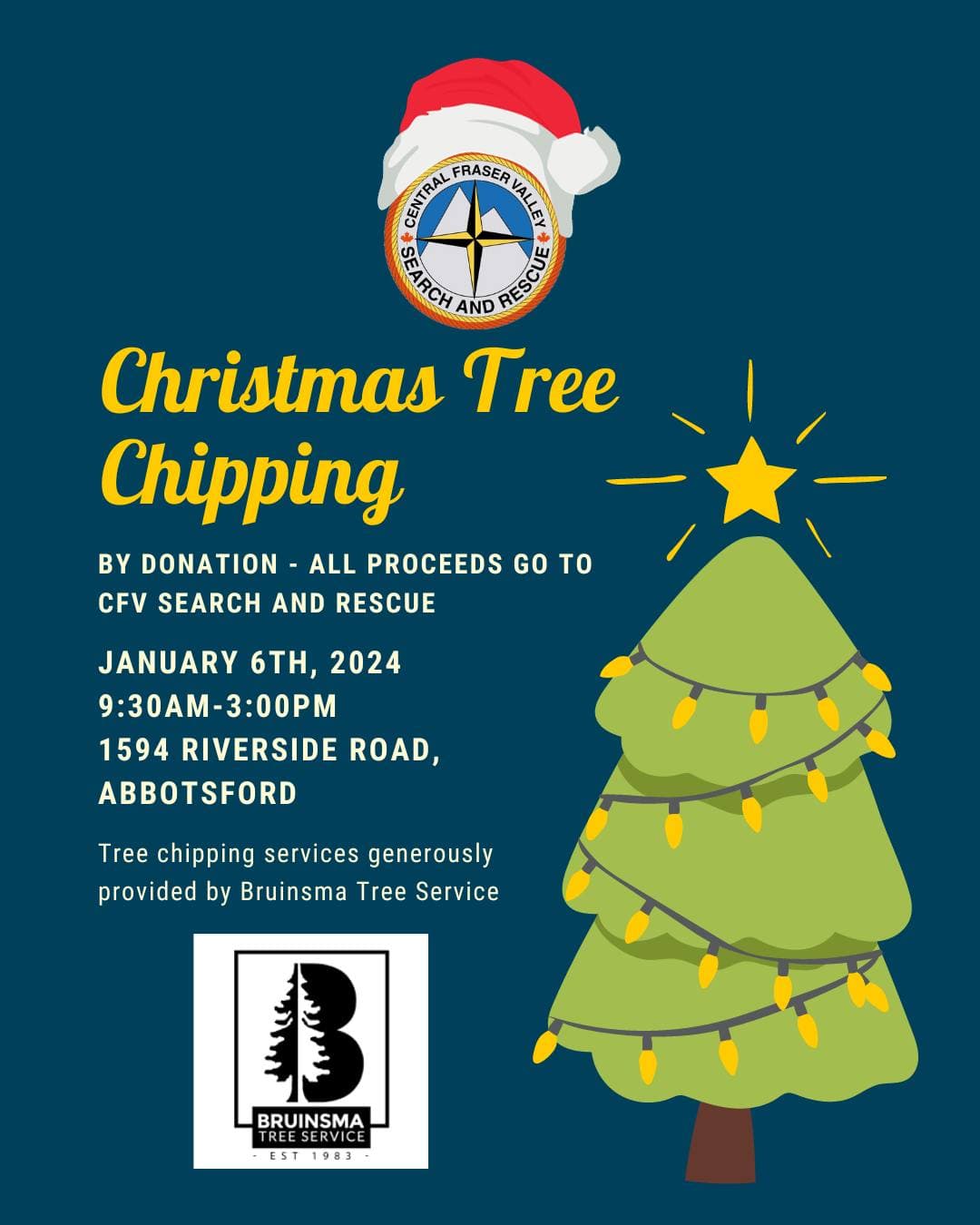
As the holiday season approaches, Adams County households should plan now for responsible disposal of live Christmas trees and wreaths. Most local municipalities and the county provide a combination of curbside pickup, village drop off locations and transfer station options, with collection windows that typically fall in mid to late January. Following local rules for what to remove and how to prepare trees and wreaths helps keep reusable material out of landfills and supports local composting systems.
For curbside pickup, residents should remove lights, tinsel, metal hooks and any stand hardware before placing trees at the curb. Trees are generally bundled or left whole according to village or township instructions, so confirm whether branches must be tied, whether a tarp or container is required, and where to place items for pickup. Historically used village drop off sites include municipal lots and the county transfer station, where staff or volunteers accepted trees for chipping and composting. Community chipping events also return wood chips to residents or to municipal projects, and some local parks and preserves accept intact trees for erosion control or habitat enhancement.
Adams County solid waste and transfer station staff, along with the village offices of West Union, Peebles, Manchester and Seaman, manage schedules, locations and any fees. Residents should confirm specific drop off dates, collection windows and preparation rules with those offices before disposal. Clear schedules and public outreach reduce contamination of mulch and compost streams, and improve cost effectiveness for waste collection programs.
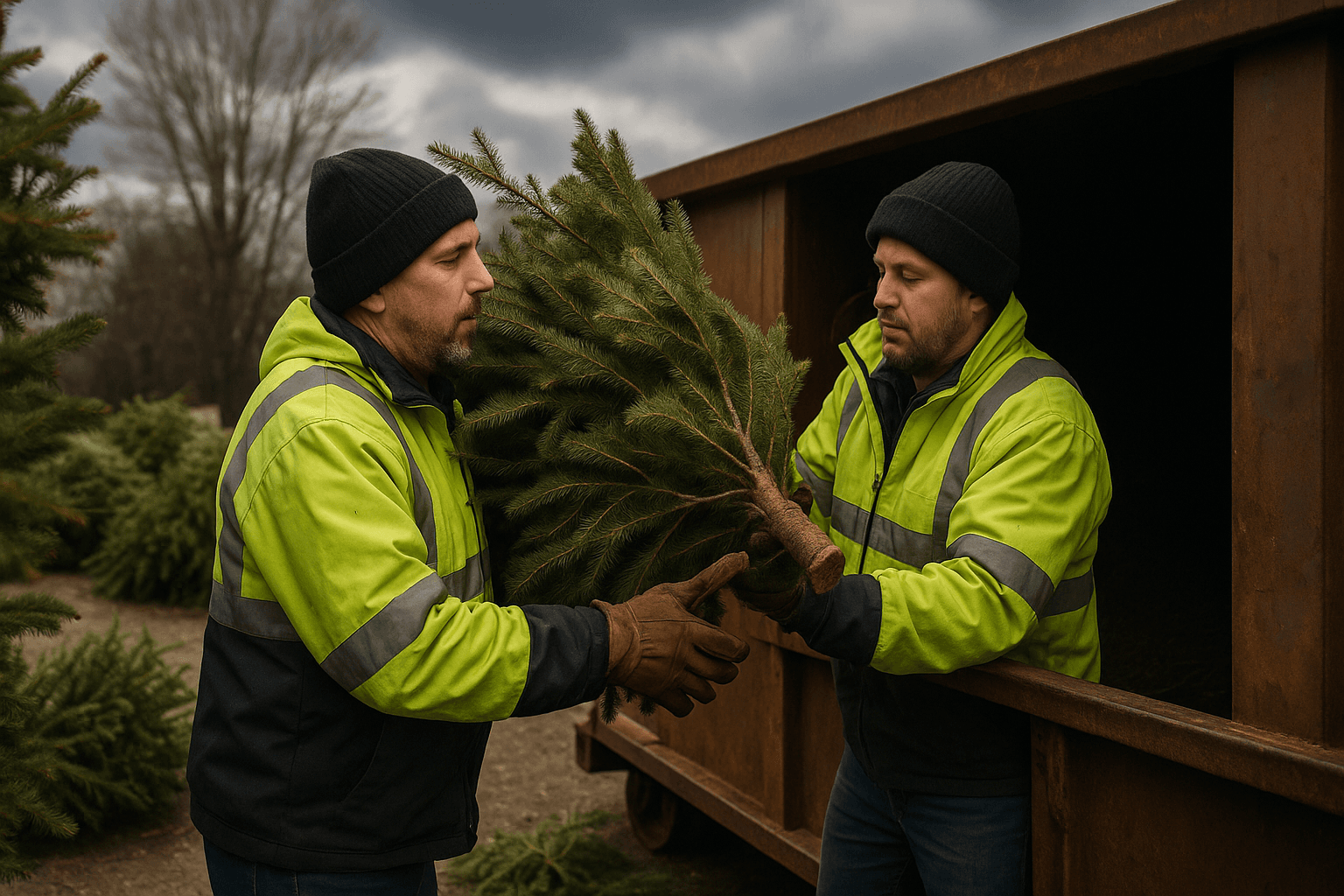
The way municipalities coordinate tree recycling carries broader budget and policy implications. Well run collection and composting programs reduce landfill use and hauling costs, and provide material for parks and erosion control. They also reflect local funding choices and municipal capacity, issues that benefit from public oversight. Residents can support efficient programs by following preparation rules, participating in chipping events and asking local officials for transparent schedules and performance data. Proper disposal protects local waterways, extends the life of county transfer facilities and keeps municipal budgets focused on core services.
Know something we missed? Have a correction or additional information?
Submit a Tip