After Hours Veterinary Care Shrinks in Laramie, Rural Wyoming
An opinion piece published December 3 described a steady decline in after hours and emergency veterinary coverage in Laramie and across rural Wyoming, leaving pet owners facing delayed care and higher costs. The trend matters to Albany County residents because it increases travel time for urgent care, strains household budgets, and raises public health concerns for animals and people.

On December 3 a local veterinarian detailed how the availability of after hours and emergency veterinary services has contracted in Laramie and much of rural Wyoming, a development that is already affecting Albany County households. Pet owners report longer waits for treatment, longer transports to clinics outside the region, and mounting financial and emotional stress when urgent illness or injury strikes.
Veterinary practices across the state are grappling with a mix of structural pressures. Workforce shortages reduce staffing options for small clinics, rising practice costs squeeze operating margins, and maintaining sustainable on call rotations in communities with few veterinarians has grown increasingly difficult. Those pressures are concentrated in smaller markets where a single clinic often served as the first and only local emergency point of contact.
The practical consequences are straightforward. When local clinics cannot provide after hours care, owners must drive farther, sometimes outside Albany County, which delays treatment and raises transportation and treatment costs. Delays can increase the likelihood of complications for sick or injured animals, and they can also increase demand on regional emergency facilities that are already stretched thin. For households without flexible work schedules or reliable transport the barrier to timely care is especially high.
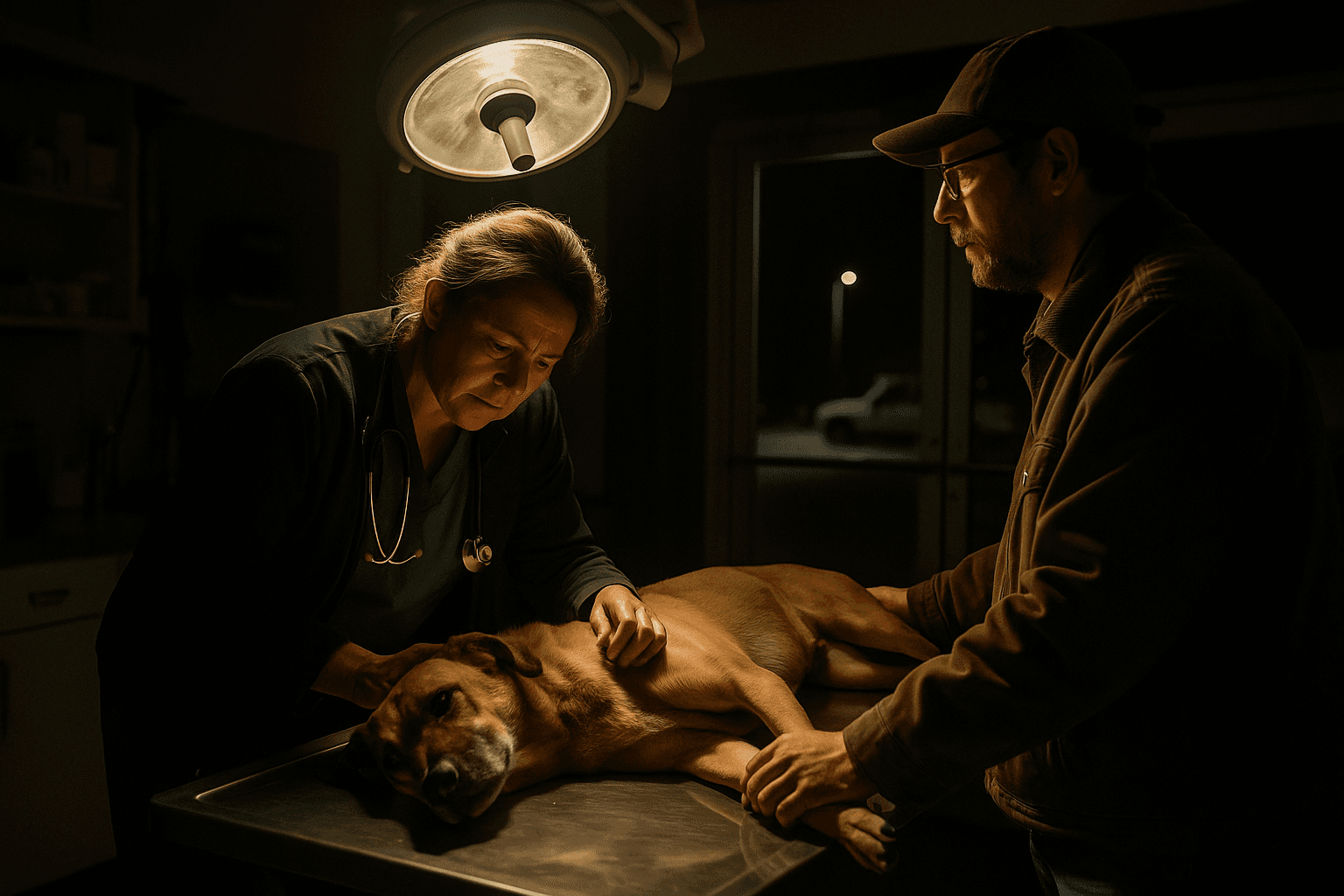
The author called for community level solutions that would expand emergency capacity while recognizing the economic realities facing independent clinics. Potential responses include formal collaborations among clinics to share on call duties, volunteer programs or subsidies to offset the costs of emergency coverage, and community fundraising to support clinic sustainability. The piece also urged owners to increase preventive care and to familiarize themselves with local resources to reduce emergency risk.
Albany County residents seeking assistance are encouraged to contact county animal control, local veterinary clinics, area humane societies, or the University of Wyoming Cooperative Extension office for guidance on available services and volunteer opportunities. Supporting local clinic sustainability, whether through donations, volunteer time, or policy advocacy for subsidies and workforce development, can help preserve emergency capacity for pets and the families who care for them.