Alamance-Burlington launches districtwide rezoning to address overcrowding, equity
The Alamance-Burlington School System announced a districtwide rezoning process on Jan. 6 to address enrollment imbalances and overcrowding, with public input requested before any maps are drawn. The timeline includes an English and Spanish community survey Jan. 5–15 and public sessions in January and March where draft options will be presented; final zoning is expected in spring 2026 for the 2026–27 school year.
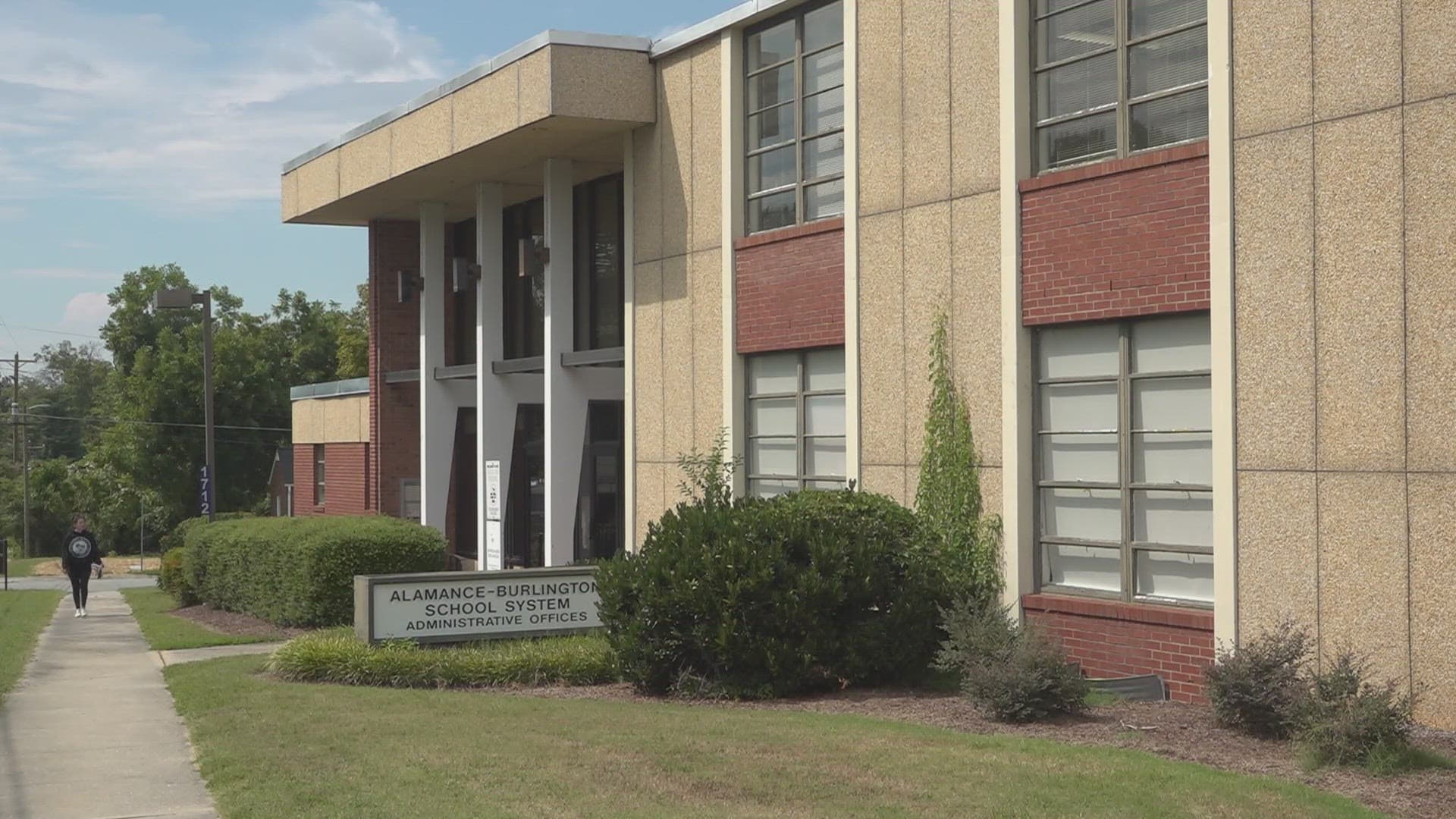
The Alamance-Burlington School System announced Jan. 6 that it will undertake a districtwide rezoning of all grade levels to correct enrollment imbalances and relieve overcrowding. Superintendent Aaron Fleming emphasized that the district is gathering community input before any zone maps are drafted, and that no final boundaries have been set.
ABSS released a timeline that begins with a community survey open Jan. 5–15, 2026, available in English and Spanish. Two community voice sessions are scheduled for 6 p.m. on Jan. 22 at Williams High School in Burlington and Jan. 28 at Southeast Alamance High School in Haw River. SchoolCAMP, a consultant affiliated with North Carolina State University’s Institute for Transportation Research and Education, has been hired to analyze survey data. Draft zoning options will be presented during solution and draft-option sessions on March 3 and March 4, with final zoning expected to be completed in spring 2026 and take effect for the 2026–27 school year.
Rezoning can have wide-ranging consequences for students, families and the community. Enrollment shifts affect class sizes, staffing needs, transportation routes and access to specialized services such as special education and school-based health programs. Overcrowded classrooms also carry public health implications: larger student populations in confined spaces can increase transmission of respiratory illnesses and strain school health resources. For students, changes to school assignments may disrupt peer networks and after-school routines, while for parents the changes can influence commute times and childcare arrangements.

The process also raises questions of equity. Attendance boundaries shape the demographic and socioeconomic mix of schools, and decisions about zoning can influence access to advanced courses, extracurricular opportunities and resource allocation. By collecting community priorities and promising transparency, the district signals an intent to consider factors beyond simple capacity calculations, including equity and neighborhood needs.
Local residents who want to influence the outcome should complete the Jan. 5–15 survey and attend the public sessions in January and March to share priorities that should guide zoning decisions. As ABSS moves from data collection to drafting options, school officials will need to balance enrollment relief with preserving neighborhood ties and equitable access to educational resources across Alamance County.
Sources:
Know something we missed? Have a correction or additional information?
Submit a Tip