Alamance County Leaders Joined 12 Week Racial Equity Cohort
Impact Alamance and NC for Community and Justice ran a 12 week Alamance County Racial Equity Collaborative program to give local leaders tools to confront systemic inequities and build belonging. The cohort brought together municipal staff, health care and library professionals, and educators, a collaboration that could change how county institutions address public health, policy and equity.

Impact Alamance partnered with NC for Community and Justice to run the Alamance County Racial Equity Collaborative, a 12 week program that met its fifth cohort on December 3, 2025 as part of scheduled sessions. The program, known as ACRE Co lab, provided training valued at $2,500 per participant, with Impact Alamance covering that cost. It aimed to equip leaders, organizations and community members with knowledge and practical tools to address systemic inequities and foster belonging across the county.
The curriculum addressed identity and implicit bias, the local history of Alamance County, disparate system outcomes, culture and socialization, and action planning. Eligibility focused on leaders and professionals who committed to open learning and sustained attendance, signaling an emphasis on long term engagement rather than a one time intervention. Impact Alamance also provided an application link and a portal for cohort resources to support participants through the process.
Roster information from past cohorts shows broad participation by local institutions, including the City of Burlington, City of Mebane, Cone Health, Alamance Community College, the Alamance County Health Department and Alamance County Public Libraries. That institutional mix is significant because employees and leaders from those organizations influence public service delivery, health interventions and community programming. When municipal offices, health systems and education providers take part in shared training on systemic inequities, they create opportunities to align policies and practices toward more equitable outcomes.
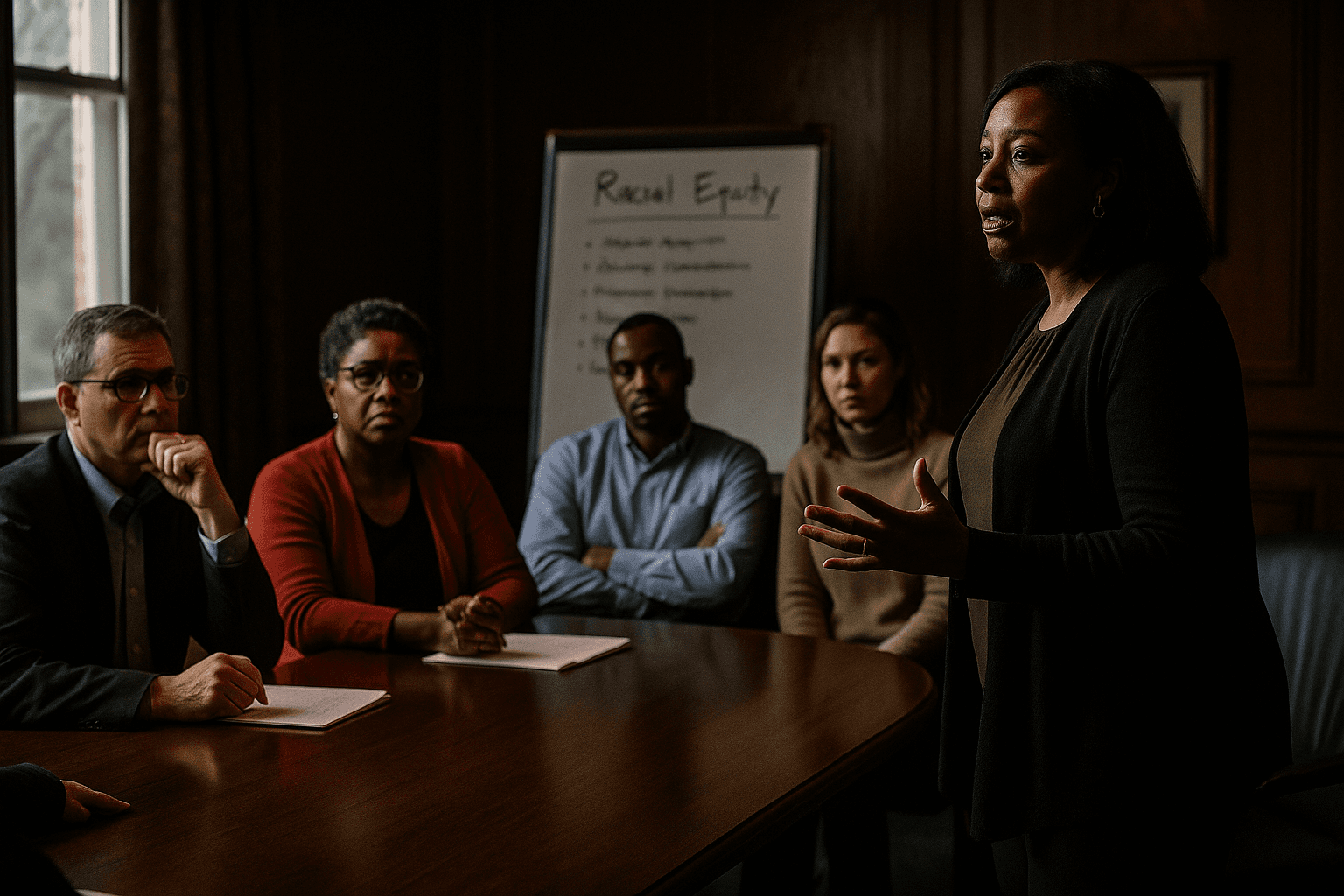
For public health, participation by the county health department and Cone Health raises potential to translate equity learning into changes in outreach, preventive care and resource allocation to reduce disparate outcomes. For schools, libraries and municipal services, the program’s focus on local history and culture supports more culturally responsive programming and community engagement. The inclusion of action planning in the curriculum aimed to move participants from understanding disparities to implementing measurable changes within their organizations.
By providing funded training and concentrating institutional participation, the collaborative attempts to lower barriers to equity work and create momentum for policy changes at the local level. Residents interested in future participation or in accessing cohort materials were directed to Impact Alamance’s application link and the program resource portal for additional information.