Albany County Posts Predator Board Roster, Meetings and Contacts
Albany County has published a public page listing current Predator Management District Board members, their terms, representative roles and contact points, along with governance details and links to agendas and minutes. The information gives ranchers, hunters and residents a clearer path to follow policy decisions, participate in meetings and hold local officials accountable.
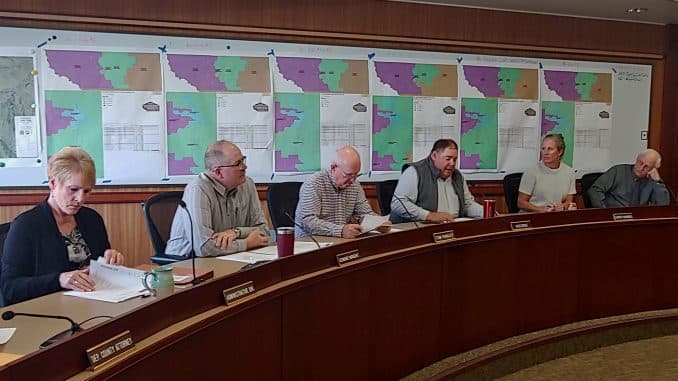
Albany County now provides a centralized public resource showing who represents the Predator Management District Board, how long each member serves and how residents can reach the board. The page lists current board members, their terms and representative positions including sheep, cattle and sportsman representatives, and it offers governance and administrative details with links to meeting agendas and minutes.
That transparency matters for residents who face direct consequences from predator management policy. Livestock operators, landowners and recreational users rely on how the district sets priorities for control measures and coexistence strategies, and having clear records of membership and meetings allows those affected to track decisions and the rationales behind them. Agendas and minutes supply the public record necessary to evaluate whether board actions align with community needs and scientific guidance.
Institutionally, the public listing of terms and roles gives insight into continuity and turnover on the board. Knowing who holds a seat and how long they serve is a basic accountability mechanism. Representative labels such as sheep, cattle and sportsman indicate the range of stakeholder voices formally included in the district s deliberations. Those designations can shape policy direction because board members bring priorities linked to their constituencies. Residents should note who is serving and use the provided contact points to communicate concerns or request agenda items.
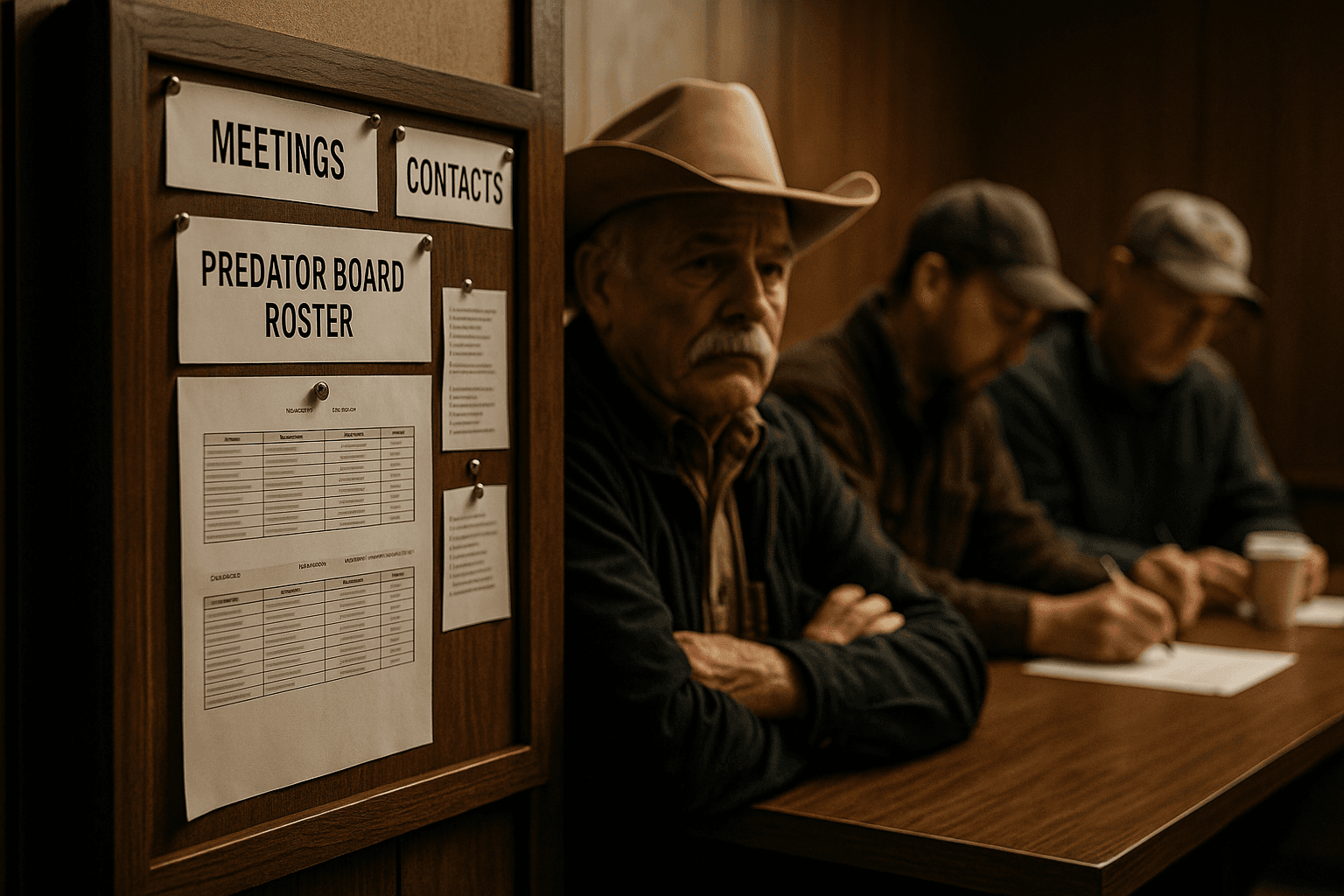
From a civic engagement perspective, accessible agendas and minutes lower barriers to participation. Constituents can prepare for meetings by reviewing materials in advance, follow the evolution of decisions through minutes and hold members to account by documenting votes and proposals. These records also enable journalists, researchers and community groups to analyze patterns in board action and assess whether outcomes reflect prevailing local preferences.
Albany County s public listing is a practical tool for anyone tracking predator management. Residents who want to engage should review the posted agendas and minutes, note representatives and terms, and use the contact information to ask questions or seek a place on the record at upcoming meetings.
Sources:
Know something we missed? Have a correction or additional information?
Submit a Tip