Albany County’s Sole Large-Animal Sanctuary Expands Pasture After Grant
Home on the Range Animal Haven, the county’s only large-animal sanctuary located outside Laramie, received a grant that allowed it to expand fencing and grazing capacity on January 6, 2026. The expansion directly benefits 12 resident equines and has broader implications for local animal welfare, nonprofit resilience, and the county’s capacity to shelter large animals in emergencies.
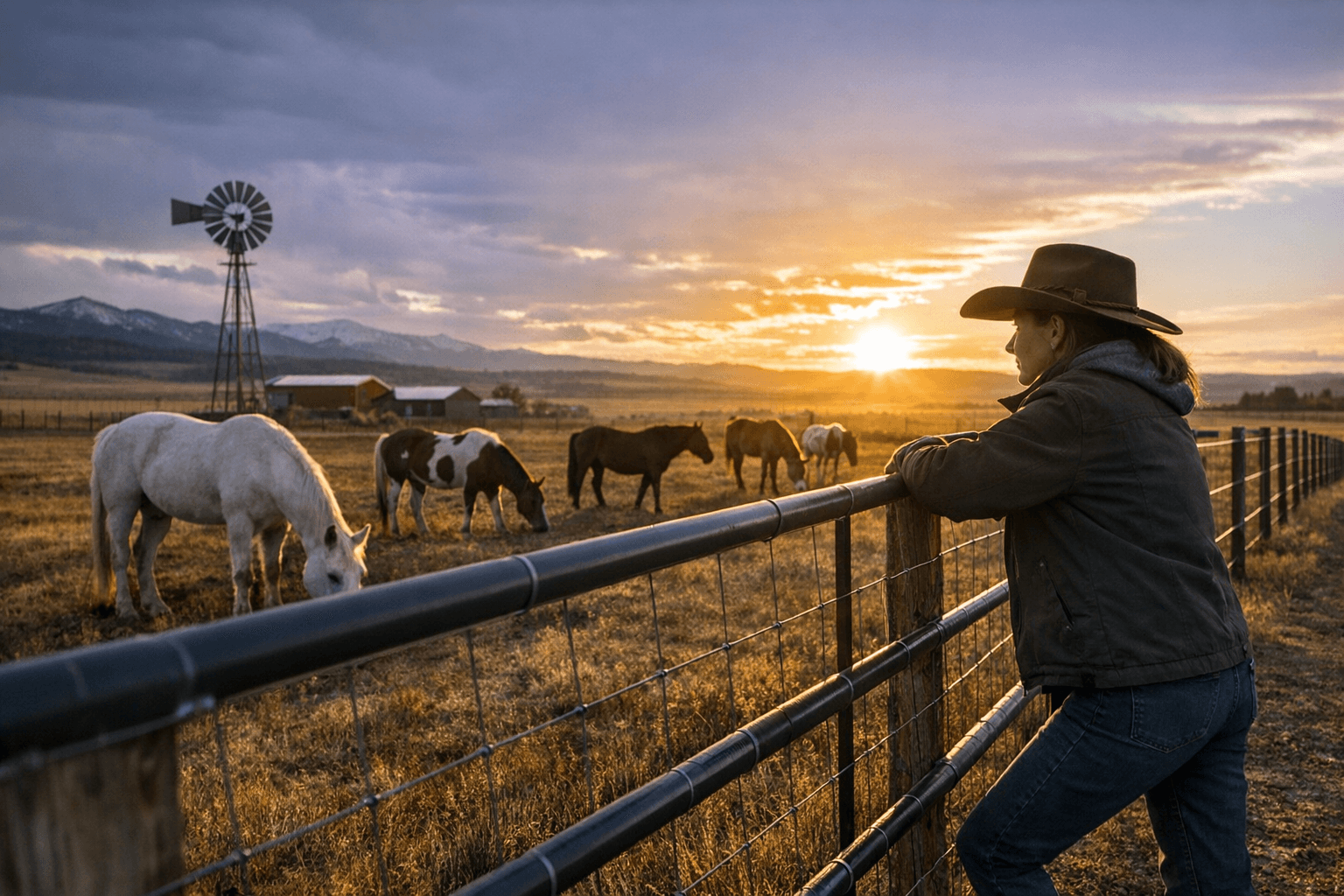
Home on the Range Animal Haven announced an upgrade to its grazing area earlier this week, a move that expands fenced pasture space for its herd of five donkeys, four ponies, and three horses. The sanctuary, which serves Albany County as the sole facility dedicated to large-animal rescue and care, used the grant to extend fencing and increase available grazing—changes that take effect immediately for animal turnout and management.
At a practical level, more pasture reduces the time animals must spend stalled or on limited turnout, improving welfare and lowering the sanctuary’s reliance on purchased hay and other stored feed during non-growing months. For a small, donor-funded nonprofit, reducing feed and bedding expenses can free money for veterinary care, vaccinations, and infrastructure maintenance. Expanded fencing also improves biosecurity and the ability to rotate grazing parcels, which supports pasture health and long-term carrying capacity.
The upgrade will also affect the local market for animal services. Veterinarians, farriers, feed suppliers, and fencing contractors can expect modest sustained demand from the sanctuary as it maintains larger paddocks. Volunteers and donors who support equine care may find new opportunities for hands-on work; for the county, having a better-equipped sanctuary strengthens community preparedness by increasing local capacity to shelter large animals displaced by a barn fire, flood, or other emergency.
This development reflects broader pressures facing rural animal rescues. Many such nonprofits operate on tight margins and rely on episodic grants to cover capital needs like fencing, shelters, or trailers. When funding is available for basic infrastructure, organizations can shift constrained budgets toward recurring costs that determine long-term viability. For Albany County, one small grant thus produces outsized benefits: improved animal welfare, reduced operating strain on a single critical provider, and bolstered resilience of the county’s informal safety net for large animals.
Residents who volunteer with or donate to local nonprofits may see the effects directly—healthier animals, more outdoor programs, and a sanctuary better able to respond in crises. As rural service providers confront rising input costs and growing demand, targeted grants for infrastructure will likely remain an efficient way to sustain community-level care for large animals.
Sources:
Know something we missed? Have a correction or additional information?
Submit a Tip