Allen Bans Public Camping, Vehicle Sleeping to Address Street Encampments
On December 19, 2025 Allen City Council unanimously approved an ordinance prohibiting sleeping and camping in public areas, and banning overnight sleeping in vehicles in those locations. The measure is meant to address a rise in visible street camping, while coupling enforcement with outreach, and it carries misdemeanor penalties with fines up to $500.
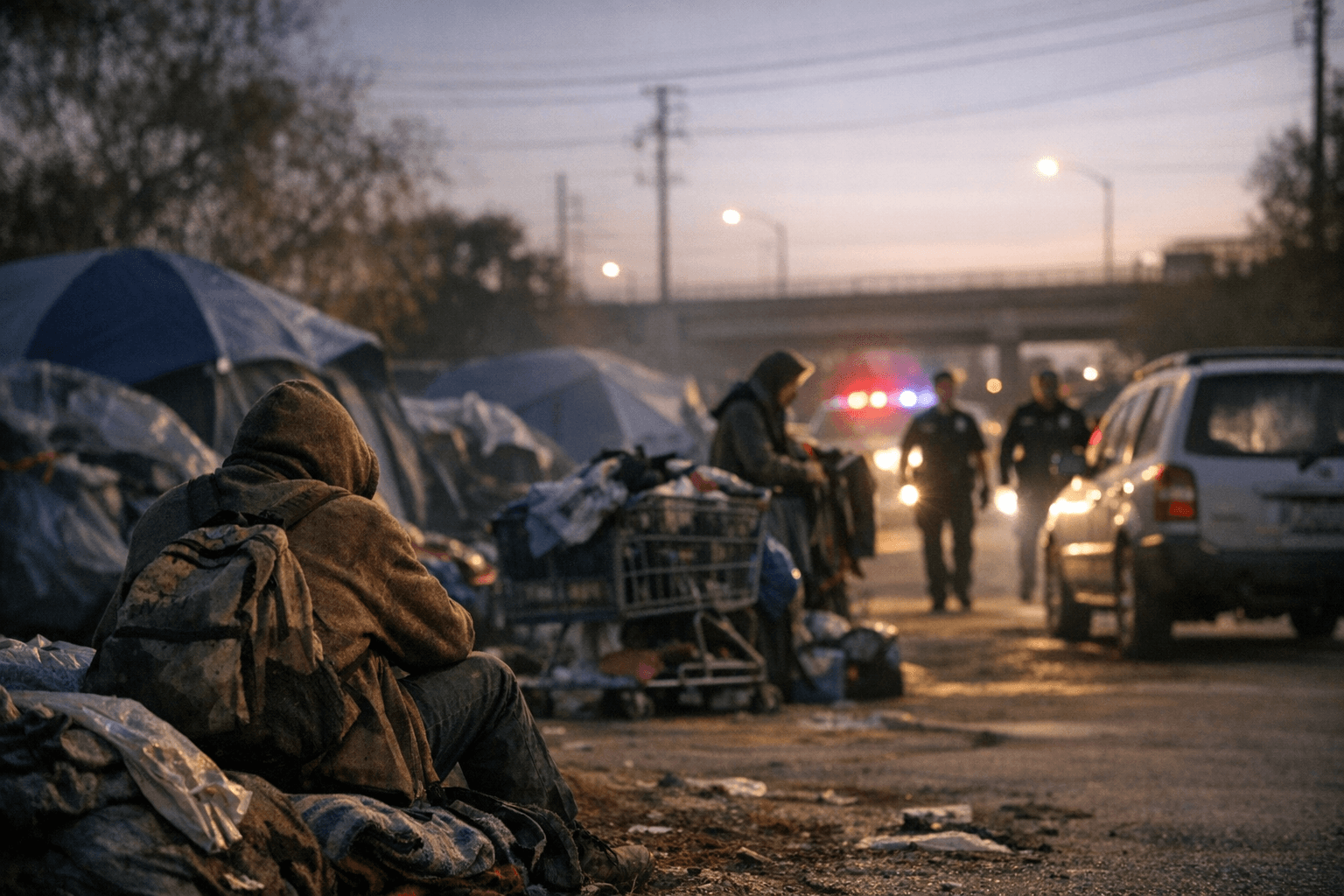
Allen city leaders moved decisively on December 19, 2025 when the City Council voted unanimously to adopt an ordinance that outlaws sleeping and camping in public areas, including streets, parking lots, garages, sidewalks and nonpublic lots. The ordinance also bans overnight sleeping in vehicles in those locations, a step officials said is intended to protect public safety and keep business corridors accessible.
Under the new law officers must first issue a 48 hour warning before taking enforcement action, and the ordinance includes narrowly drawn exceptions for medical emergencies, disability related circumstances and people waiting in business lines. Allen police said enforcement will be paired with outreach and referrals to services, signaling that citations will not be the sole response to people living outdoors or in vehicles.
Violations are classified as misdemeanors and carry fines up to $500. City officials framed the policy as a local response to what they described as a rise in visible street camping, and as a measure to support businesses and public safety in commercial and residential areas.
The action in Allen follows a similar policy adopted in McKinney earlier in 2025, and it comes amid ongoing regional conversations in Collin County about homelessness and service capacity. Local leaders and service providers face the challenge of balancing the need for order and the legal and humanitarian obligations owed to people experiencing homelessness, while available shelter and support services remain limited across the region.
For Collin County residents the ordinance will change how public spaces are policed, particularly downtown and in shopping areas where visible camping had been increasing. Business owners may see a reduction in encampments near storefronts and parking areas, while people who were sleeping outdoors or in vehicles will come under new enforcement protocols that include a required warning and referrals to services.
As cities in the region adopt similar measures, policymakers and community organizations will need to coordinate on shelter availability, medical and behavioral health supports, and longer term strategies to prevent displacement and to ensure compliance does not merely shift the location of need to neighboring communities.
Sources:
Know something we missed? Have a correction or additional information?
Submit a Tip