Amazon Plans 320,000-Square-Foot Warehouse Near Eugene Airport Site
Local reporting confirmed that Amazon has purchased an 85-acre parcel between Highway 99 and Greenhill Road and plans a roughly 320,000-square-foot warehouse with a large conveyor system for last-mile package sorting. The project could bring van drivers and sorting staff to Lane County but raises concerns about traffic on Highway 99, vehicle pollution, potential wetland fills, and the loss of industrial land targeted for higher-wage manufacturing.
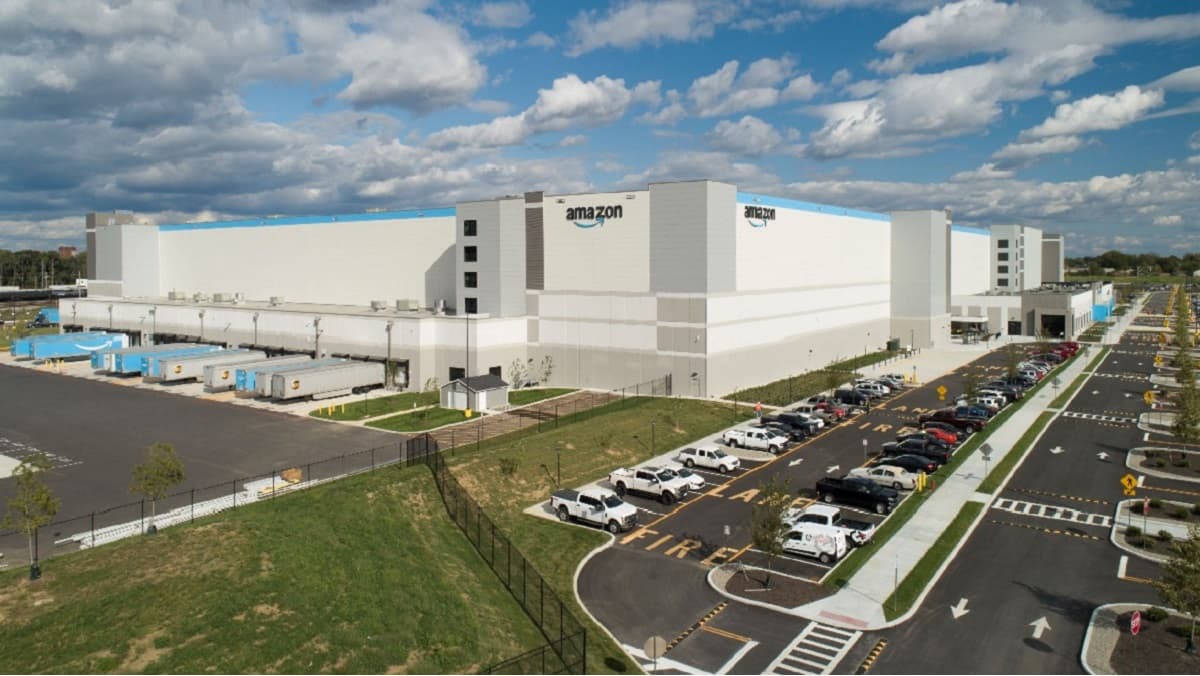
Amazon’s planned warehouse on an 85-acre site between Highway 99 and Greenhill Road, adjacent to the Eugene airport, emerged as a leading development to watch for 2026. The proposed facility would be about 320,000 square feet and include a large conveyor belt system to sort packages for last-mile distribution. The operation is expected to employ van drivers and staff to operate package sorting and conveyor systems.
City zoning allows standalone warehousing on the parcel after it was brought into Eugene’s urban growth boundary during the 2017–2018 expansion. That zoning choice set the stage for the site’s current use, but it also highlighted a policy trade-off that city planners and residents are now debating: permitting high-volume logistics operations on land that had been envisioned for industrial and higher-wage manufacturing jobs.
Public concerns have centered on several local impacts. Residents and local planners have pointed to likely increases in traffic on Highway 99 as delivery vans and employee vehicles move to and from the site. There are also worries about additional vehicle emissions and the potential need to fill wetlands on or near the parcel to accommodate construction. State wetlands permits are required for any fill, and the state has not yet decided whether to grant those permits, leaving a key environmental and regulatory question unresolved.
The economic implications are mixed. The project would create jobs for drivers and warehouse staff, contributing to local employment in the logistics sector. At the same time, the conversion of industrial-zoned land to warehousing underscores a broader trend in which e-commerce-driven demand for last-mile facilities competes with efforts to attract higher-wage manufacturing and industrial employers. For Lane County, that tension affects tax base composition, wage levels, and long-term job quality.
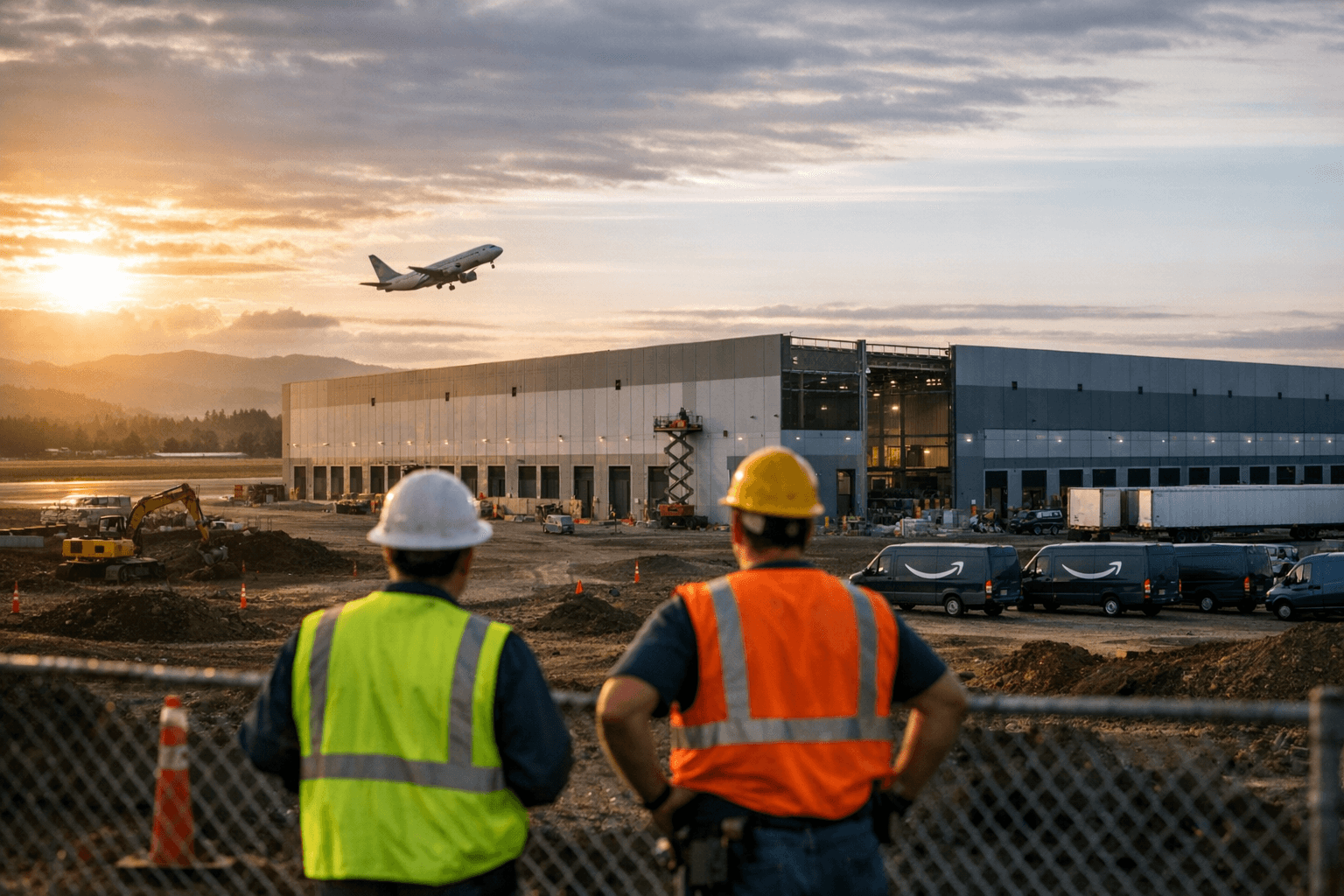
City planners and public officials will face decisions about traffic mitigation, emissions controls, wetland protections, and permitting timetables as the project moves through regulatory review. How those choices balance economic activity against environmental and community impacts will shape development patterns near the airport for years to come.
Other developments to watch in 2026 include demolition and student-housing plans for the former PeaceHealth University District Hospital site, potential standalone emergency department proposals, and several locally significant projects that could reshape the University District and employment landscape. These projects together illustrate an active year for land-use decisions in Eugene, where zoning, environmental permitting, and economic development objectives intersect.
Sources:
Know something we missed? Have a correction or additional information?
Submit a Tip