Amistad Recreation Area Drives Local Economy, Challenges Resource Management
Amistad National Recreation Area continues to be one of Val Verde County's largest draws, bringing boaters, anglers, and cross border visitors whose spending supports Del Rio area businesses. Seasonal management practices, facility fees, and conservation programs shape public access and create policy choices that will affect local traffic, budgets, and civic involvement.

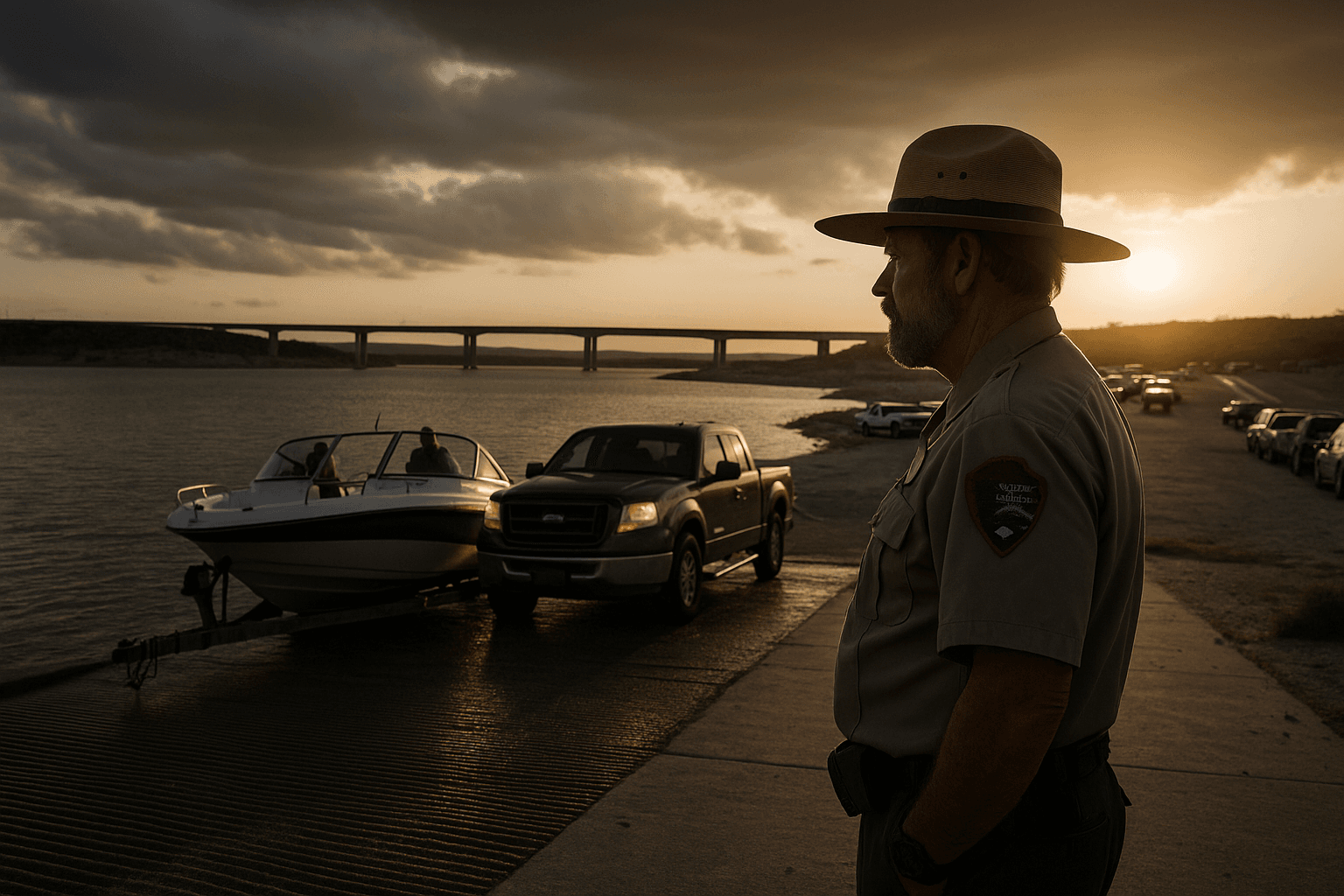
Amistad National Recreation Area, centered on Lake Amistad and the surrounding shoreline and canyons, remains a major recreational and economic asset for Val Verde County. The U.S. side of the park is jointly managed and offers water based recreation, fishing for largemouth bass and other sport species, boating, hiking and birding, alongside interpretive history and paleontology displays. Boat launches and ramps near Del Rio provide primary access for visitors during peak season.
Visitor flows have clear local consequences. Out of area tourism and cross border visitors from Ciudad Acuña contribute to lodging, restaurants and outfitters in Del Rio. Large events and busy weekends boost small business revenue but also increase traffic to shoreline areas, placing pressure on parking, launch capacity and local infrastructure. Seasonal visitor services are adjusted at peak times with reservations or ramp fees in effect. Those measures alter both user behavior and the distribution of economic benefits across the county.
Public safety and access are ongoing concerns for residents and officials. Boaters are advised to check lake levels and ramp conditions before travel, and to carry life jackets, adequate fuel and supplies because cell coverage can be intermittent in some arms of the lake. Management decisions about ramp availability and fee schedules therefore carry implications for equity and safety as well as revenue.
Conservation and stewardship programs run by park staff aim to protect wildlife, archaeological and paleontological sites in the canyon areas. Local volunteer groups often partner with park staff for cleanup and interpretive events, providing both labor and civic engagement that supplement formal resource protection efforts. Those partnerships demonstrate how community involvement can stretch limited budgets and strengthen public education about fragile sites.
Policy choices by local elected officials and by park managers will determine how access, fees and conservation priorities are balanced going forward. Decisions on budget allocations, infrastructure maintenance and interagency coordination will affect traffic management, small business income and the long term preservation of the area. Continued civic participation and coordinated planning will be central to ensuring that Amistad remains an asset for both the local economy and the county's natural and cultural resources.
Sources:
Know something we missed? Have a correction or additional information?
Submit a Tip