Amy’s Drive Thru to close Rohnert Park location, leaving single SFO outpost
Amy’s Drive Thru announced its Rohnert Park restaurant will close March 8, 2026, part of a shift toward grocery and frozen foods that matters for restaurant staff facing job disruption.
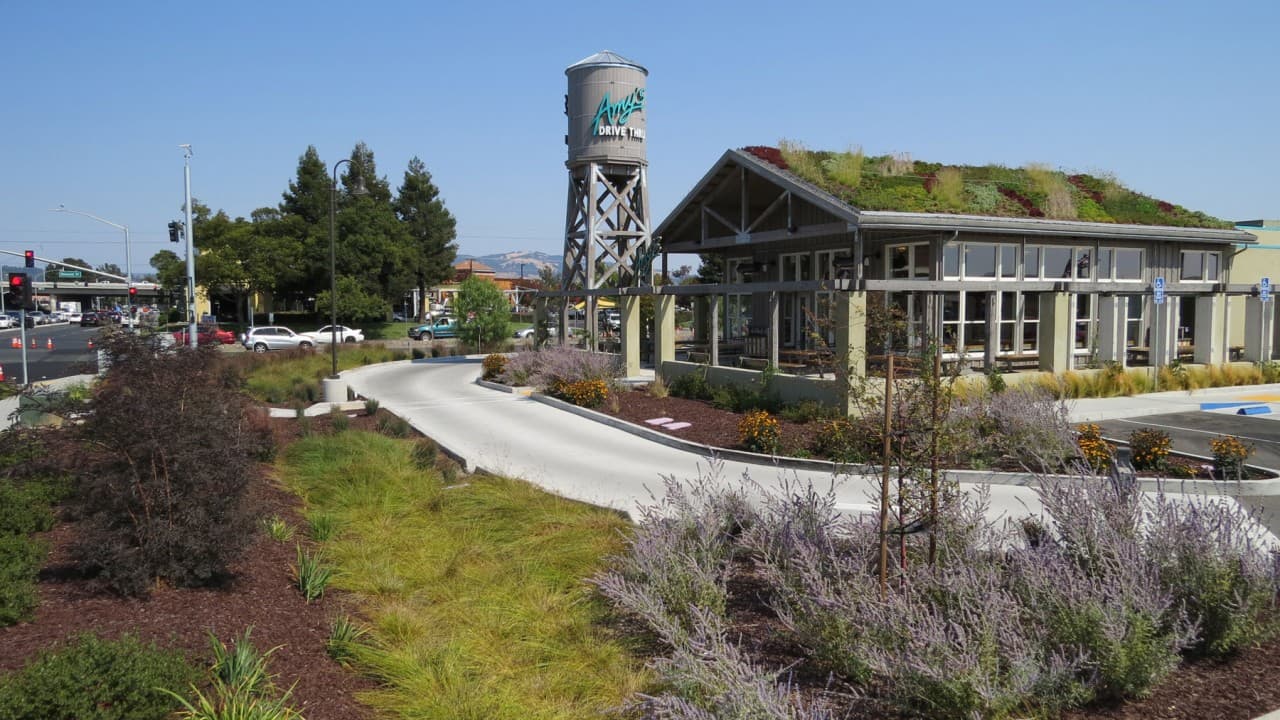
Amy’s Drive Thru announced on January 8 that its Rohnert Park drive-thru will close on March 8, 2026, leaving the chain with only one remaining restaurant location at San Francisco International Airport. The Petaluma‑founded vegetarian fast-food concept framed the move as a strategic refocus on grocery-retail and frozen products as the company confronts persistent pressures on restaurant operations.
The decision continues a period of retrenchment for the brand. The company has previously closed other locations and carried out layoffs that affected hundreds of employees in 2024. The current announcement comes against a backdrop of rising costs, shifting consumer habits and ongoing challenges across the restaurant sector. Amy’s broader corporate operations have also faced past labor and regulatory issues at Amy’s Kitchen facilities, adding context to a company already rethinking where it invests resources.
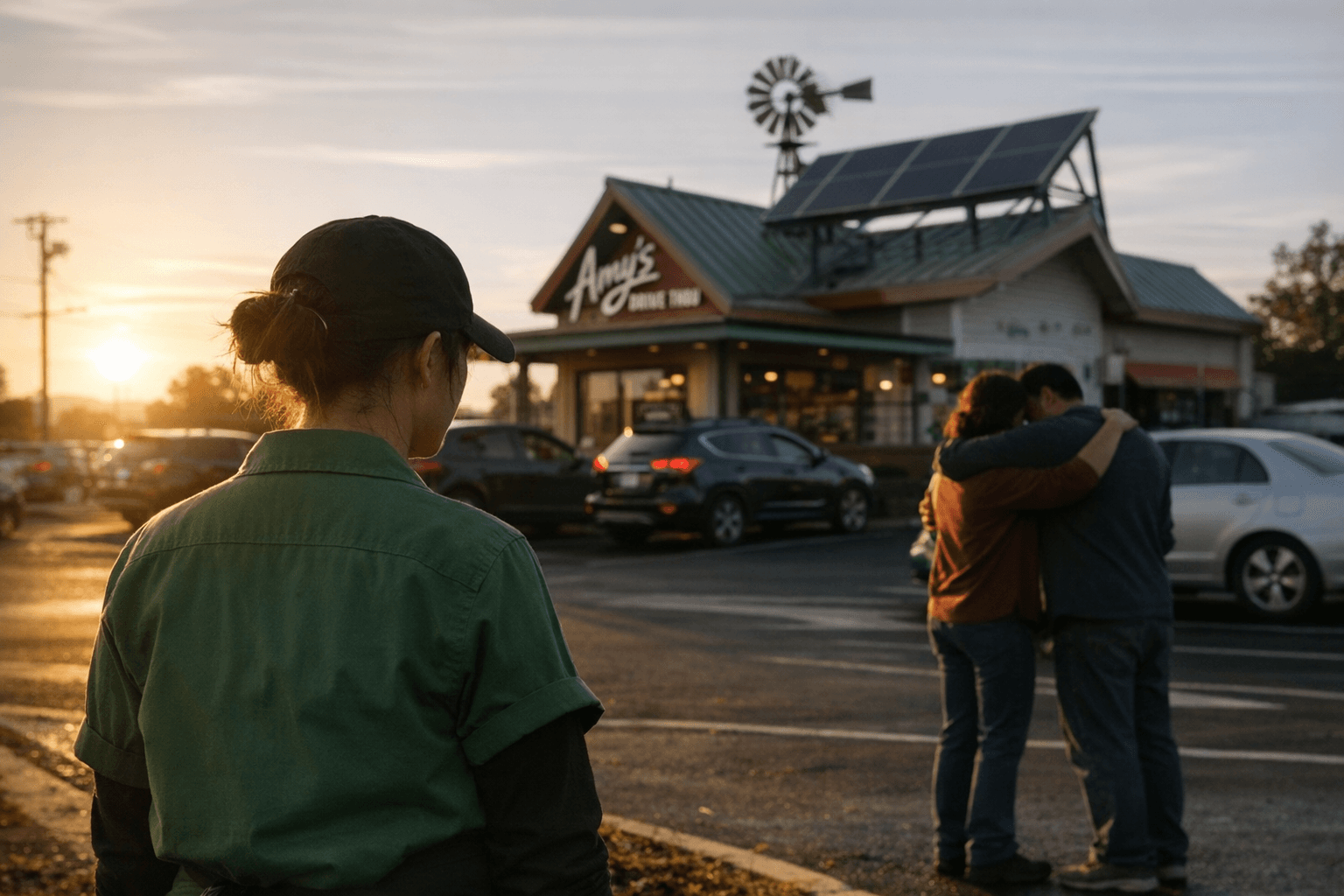
For workers at the Rohnert Park site, the closure is immediate and concrete: front-of-house staff, cooks, shift leads and back-of-house crew will face job disruption when doors shut in March. Beyond lost shifts, workers will need clarity on severance, final pay, accrued sick time, and health coverage transitions. The announcement did not lay out a formal transition plan for affected hourly employees or whether any roles would transfer into the company’s grocery or frozen food operations.
The shift from brick-and-mortar restaurants to grocery-retail and frozen formats signals a change in the types of jobs a company like Amy’s is likely to prioritize. Restaurant work emphasizes FOH customer service and BOH kitchen roles, while a retail-frozen pivot typically involves more manufacturing, packaging and distribution positions. That can mean fewer frontline service roles in the communities that hosted restaurants and more opportunities in supply chain, production and commodity operations, often with different schedules, skill sets and locations.
Industry dynamics help explain the pivot. Many operators are grappling with higher labor and food costs, tighter consumer spending, and the convenience-driven demand for packaged, long-shelf products. For workers, that means a labor market where restaurant layoffs can be followed by openings in food manufacturing or distribution—but those jobs may require different certifications, commute patterns or physical demands.
The takeaway? If you work at a restaurant facing closure, get concrete answers now: ask management about severance and final pay timelines, request written details on benefits and last-day procedures, and contact your local unemployment office to understand eligibility. Update your resume and leverage local staffing agencies and food-industry networks; frozen food and grocery production can be a next move, but so can other hospitality or retail roles. Our two cents? Treat this as a prompt to document your hours and benefits, lock down references, and actively explore both restaurant and non-restaurant openings before the March closure date.
Sources:
Know something we missed? Have a correction or additional information?
Submit a Tip