Ancient Cahone Ruin Remains Vital Link to Local History
Ansel Hall Ruin, commonly known in the Cahone area, is a Pueblo II period archaeological site dating to roughly AD 1050 to 1150 that is listed on the National Register of Historic Places. For Dolores County residents and visitors the site offers a tangible connection to ancestral Pueblo people, creates opportunities for education and tourism, and requires careful stewardship to protect fragile cultural resources and ensure equitable access.

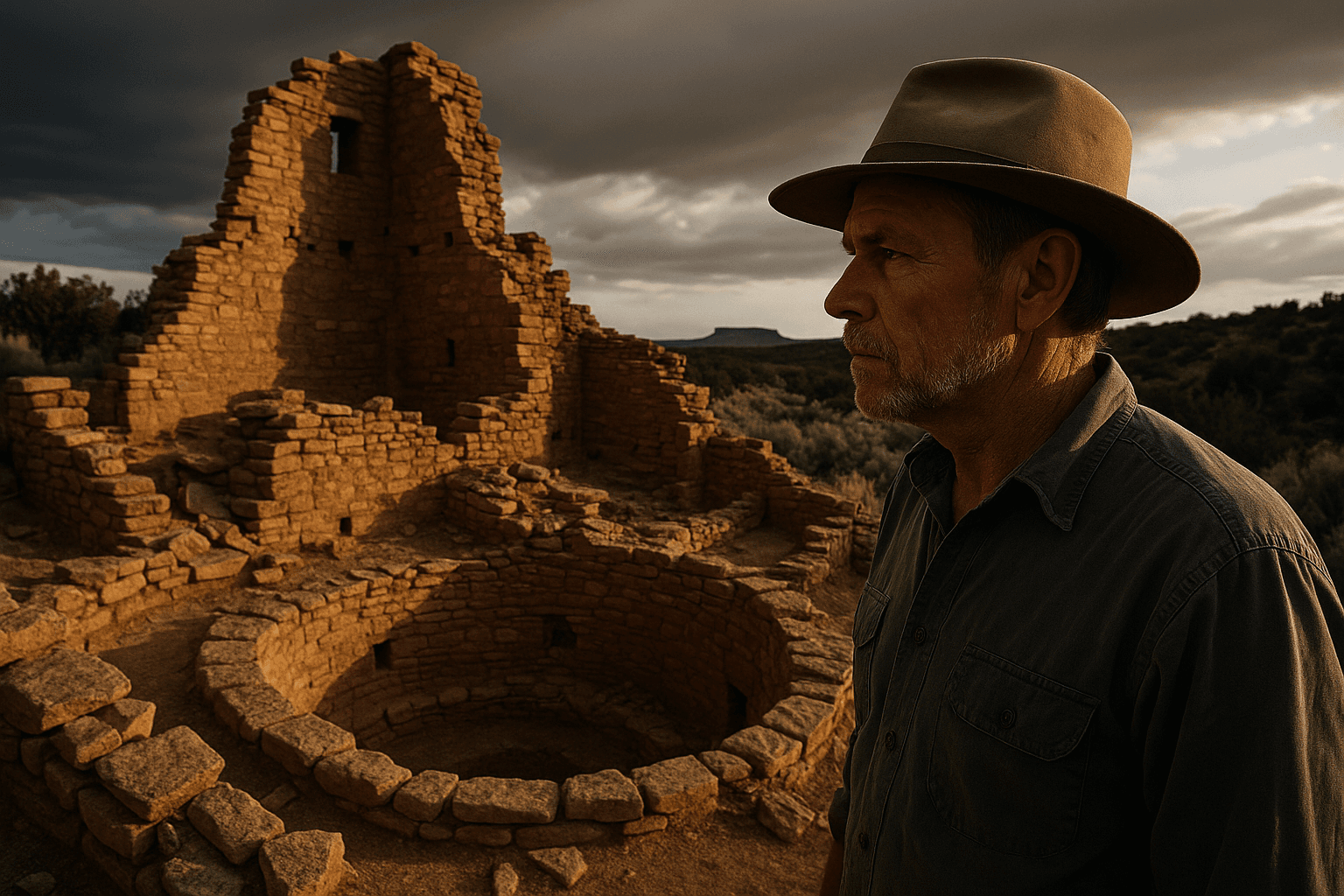
Near the small community of Cahone in western Dolores County, Ansel Hall Ruin stands as a well documented Pueblo II period site dating roughly to AD 1050 to 1150. Recognized on the National Register of Historic Places, the site is part of a broader cultural landscape that includes Canyons of the Ancients National Monument and numerous ancestral Pueblo locations across southwestern Colorado. Its presence on the mesas serves as a lasting reminder of long term human occupation and the deep history that shapes local identity.
The site is archaeologically sensitive. Visitors should respect posted signage, follow leave no trace principles, and avoid any disturbance of features or artifacts. For current access information, maps and interpretive materials residents and visitors should consult the Canyons of the Ancients office, the Bureau of Land Management, or History Colorado. These agencies oversee management and can provide guidance on permitted use, seasonal conditions and safe routes to trailheads.
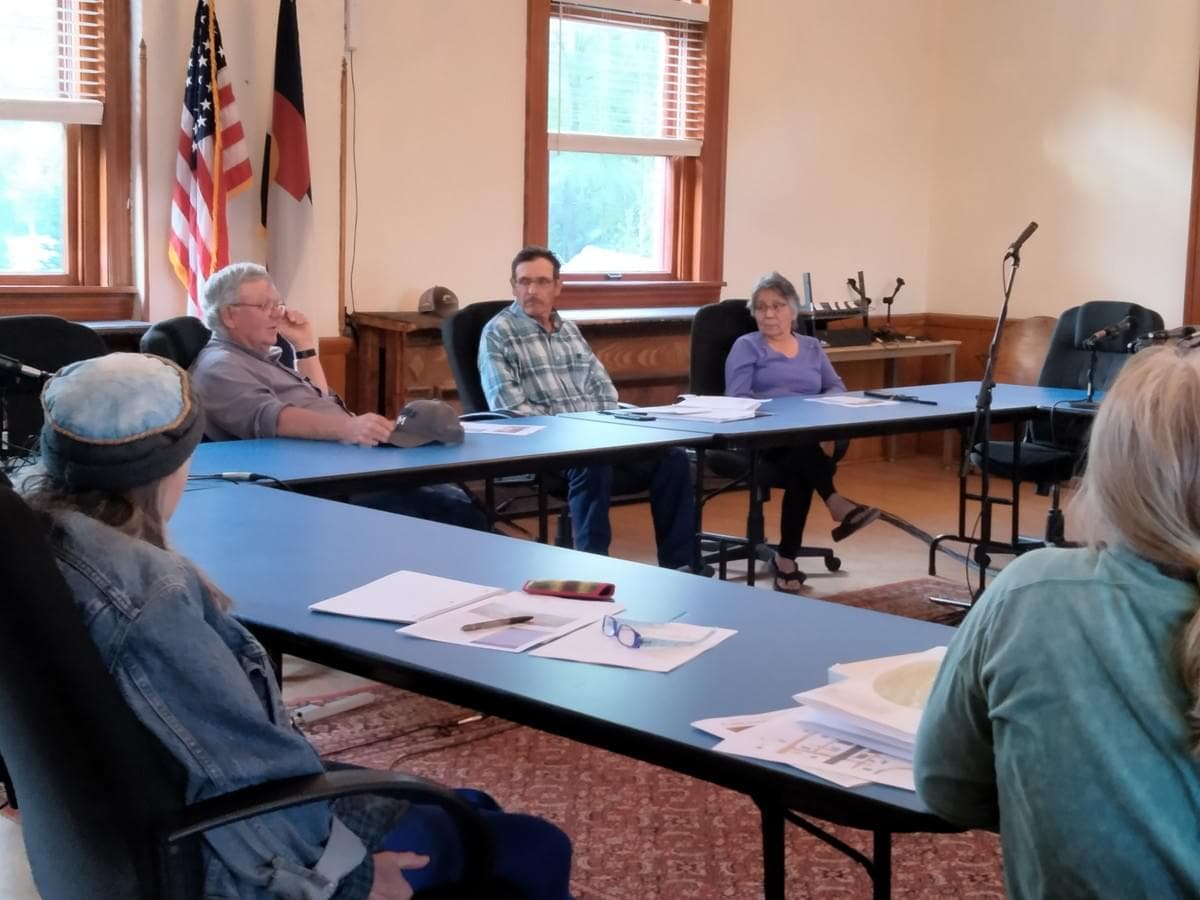
For Dolores County the Cahone Ruin carries multiple local implications. As a cultural and educational asset it can support school curricula, community programming and interpretive tourism that brings modest economic activity to rural towns. At the same time protecting fragile sites requires resources for monitoring, signage, and public outreach. Rural communities often face constraints in budgets and staffing, leaving preservation work dependent on state and federal support as well as volunteer stewardship.
Public health and safety intersect with heritage stewardship on remote public lands. Visitors should plan for limited services, bring adequate water and supplies, and inform others of travel plans when venturing onto mesa country. Emergency response can be delayed in remote areas, so prevention and preparedness matter for both personal safety and for avoiding damage that complicates rescue efforts or medical access.
Long term stewardship of Ansel Hall Ruin also raises questions of equity and inclusion. Ensuring descendant communities have voice in interpretation and access, and directing preservation funding to rural counties, are steps that can help align cultural preservation with social justice goals. Protecting this place preserves a shared history, and doing so thoughtfully protects the community that benefits from and bears responsibility for it.