Apache County Planning Meeting Addresses Land Use and Community Plans
The Planning and Zoning Commission met on December 4 in St. Johns to consider matters tied to land use, zoning, subdivisions and conditional use permits. The session matters to residents because its recommendations shape local development, community plans and permitting that affect property, infrastructure and quality of life.

The Planning and Zoning Commission held a working lunch at noon and opened a public meeting at 1 p.m. on December 4 in the Board of Supervisors meeting room at the County Annex Building, 75 West Cleveland Street in St. Johns. Community Development staff made public materials and procedural information available through the department and directed attendees to posted notices and agendas on the County public notices page at least 24 hours before the meeting.
The commission is responsible for land use decisions that frame zoning, subdivisions and conditional use permits across Apache County. Community Development maintains the County Comprehensive Plan and a set of community plans for Alpine, Concho, Greer, Nutrioso and Vernon. Those documents, along with permit applications, ordinances and staff contact information, were listed on the department page as background for the commission and the public.
For residents seeking follow up or to submit comments, Community Development provided several contact channels. Staff members Matt Fish and Shanna Pearce can be reached by phone at 928 337 7526. The office accepts mail at Apache County Community Development, P.O. Box 238, St. Johns, AZ 85936, and accepts email correspondence through the department contact options posted online. The department page also explains the procedural steps for Planning and Zoning meetings and how members of the public may participate during hearings and comment periods.
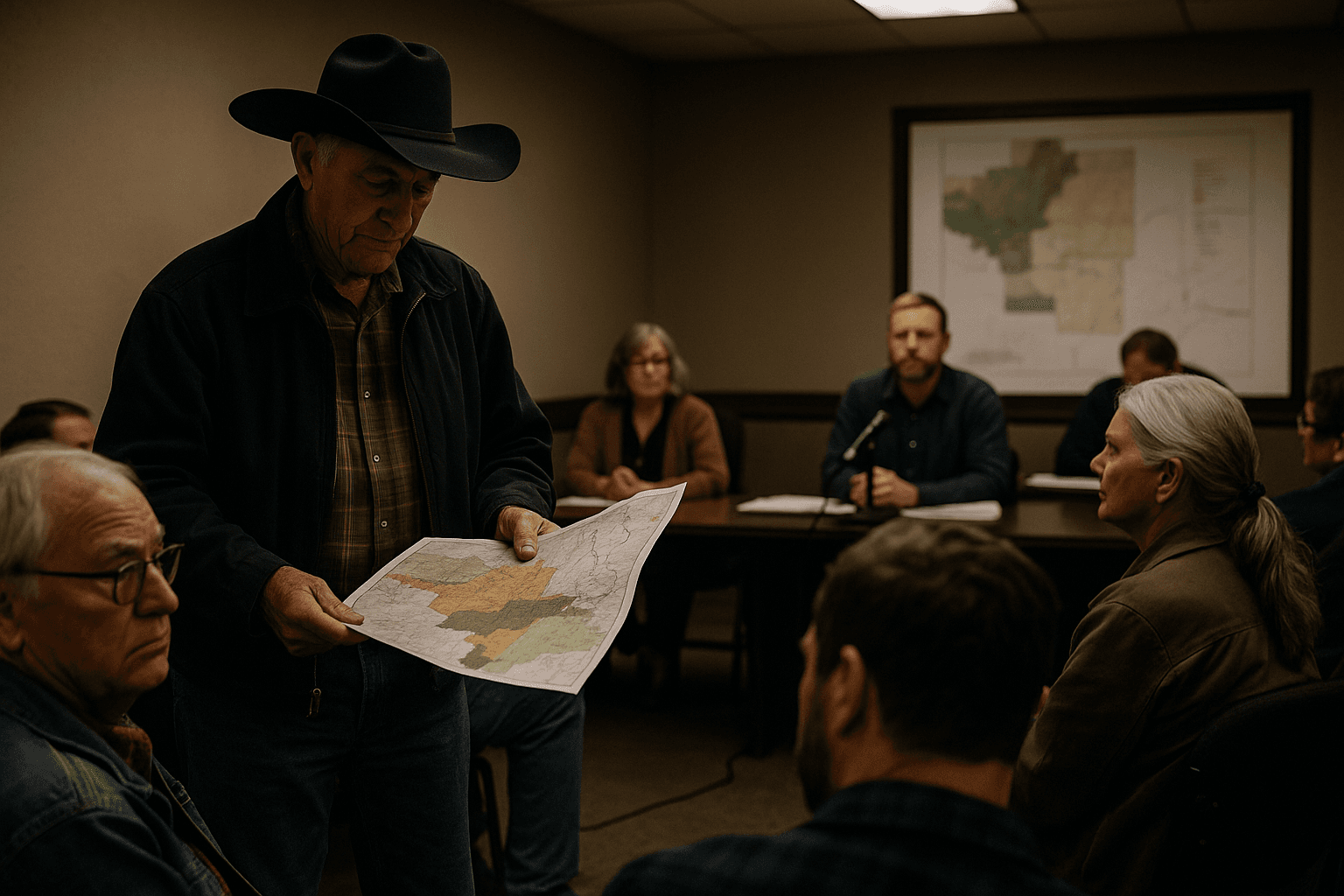
Policy implications from this commission are significant for local governance. Planning and zoning decisions influence where housing and businesses locate, how infrastructure is prioritized, and how community plans guide future development in small communities across the county. Residents in unincorporated areas and the named communities will see the effects of permit approvals and zoning changes in property use, service delivery and long term land use patterns.
Community engagement remains the principal lever for accountability. Agendas and notices are posted ahead of meetings, and residents are encouraged to review the Comprehensive Plan and the applicable community plan before attending hearings or contacting Community Development staff. Those who wish to track upcoming items should monitor the County public notices page and use the provided staff contact points to raise questions or request records.