Archdiocese of New York Seeks $300 Million to Resolve Abuse Claims
The Archdiocese of New York and more than 1,300 survivors have agreed to mediation aimed at resolving historic sexual abuse claims, a step that could produce one of the largest diocesan payouts in U.S. history. The archdiocese says it will raise roughly $300 million through budget cuts, layoffs and asset sales, a strategy likely to reshape parish finances and reverberate through insurance and real estate markets.

The Roman Catholic Archdiocese of New York and representatives for about 1,311 survivors have agreed to mediation that officials say is intended to resolve claims dating from 1952 to 2020. The mediation, to be led by retired judge Daniel J. Buckley, is expected to begin in the coming weeks as litigation timetables approach.
Archdiocese leaders said they intend to raise approximately $300 million to fund settlements. The fundraising plan relies on a combination of budget cuts, layoffs and asset sales, measures that officials acknowledge will alter the archdiocese’s fiscal profile and its capacity to fund ministries. Attorneys for claimants, including Jeff Anderson who represents roughly 300 accusers, have pushed for settlements that include full disclosure of past misconduct and concrete abuse prevention measures going forward.
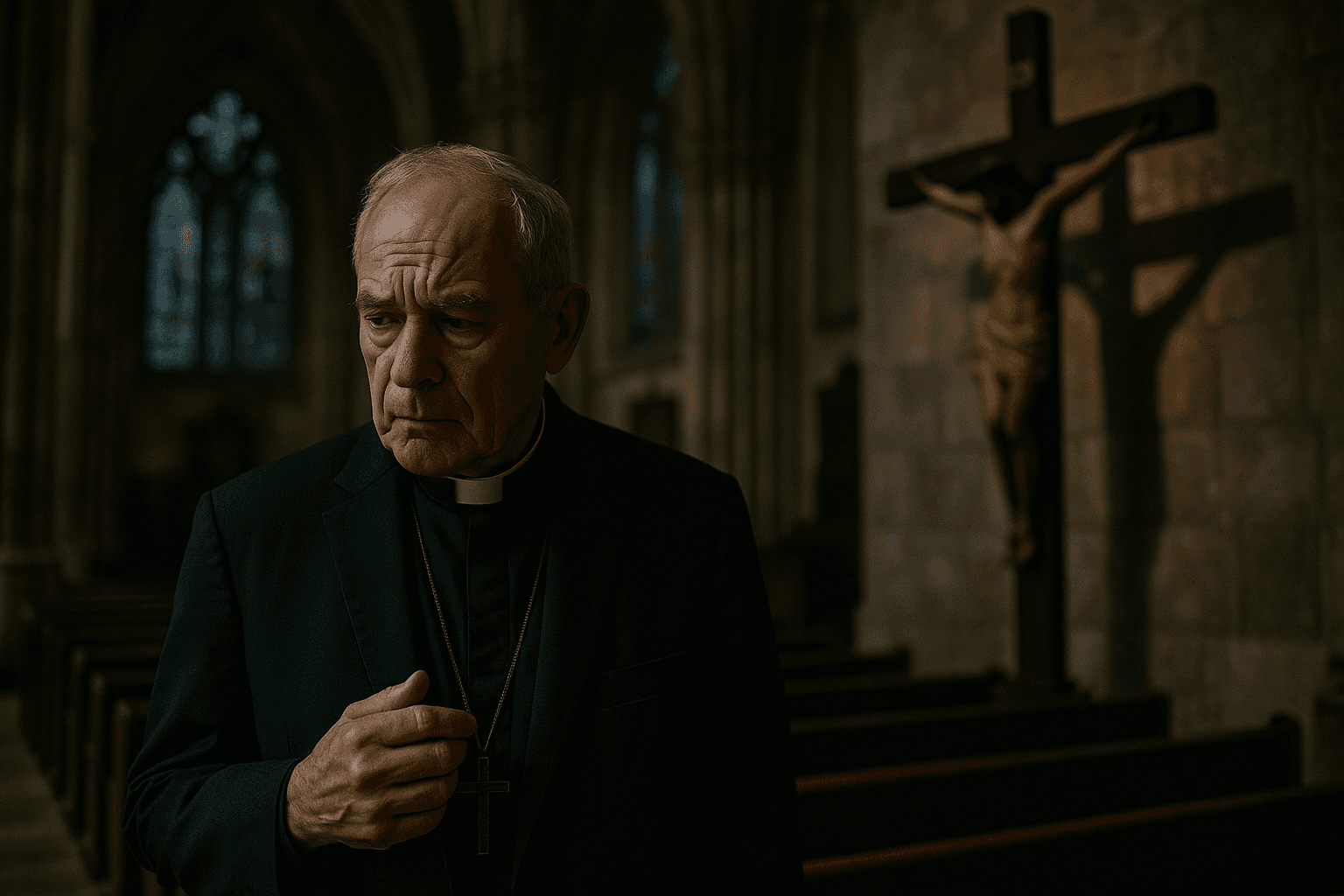
Cardinal Timothy Dolan issued a public apology in connection with the announcement and said the archdiocese acknowledged the “darkness” of its past. The acknowledgment accompanies a broader campaign by the archdiocese to balance legal obligations to survivors with the need to maintain core services delivered by parishes, schools and charities across the region.
Insurer disputes loom as a central complication. Chubb and other carriers have contested coverage for some claims, arguing that historical policies do not extend to alleged long running concealment of misconduct. Those coverage fights could determine how much of the settlements are paid by the archdiocese itself and how much fall to insurance companies, with implications for future premiums and the willingness of insurers to underwrite institutional liability.
The scale of the claims and the funding plan place the archdiocese in the midst of a long term trend of religious and nonprofit institutions confronting legacy abuse liabilities and restructuring finances in response. Raising $300 million through asset sales could lead to significant transfers of church owned properties into private hands. That process may have localized effects on property markets, particularly if large parcels or centrally located buildings become available for development. Workforce reductions will also reduce local payrolls and could further constrain community services that depend on archdiocesan staffing.
Market participants and municipal officials will be watching the mediation for signs of how much of the liability is absorbed by insurers, and how quickly assets will move to market. For insurers, the outcome may inform underwriting assumptions and capital reserves for institutions with similar exposures. For parishes and schools, the immediate concern is preserving essential programs while complying with any settlement terms that require changes in governance, disclosure and protection policies.
Beyond the immediate fiscal adjustments, the case is likely to renew public and legislative attention on transparency and survivor compensation frameworks. Advocates and lawyers have increasingly pushed for extended reporting windows and stronger mandatory reporting rules, and a high profile resolution could influence legislative debates in New York and other states.
As mediation proceeds, the archdiocese faces the twin tasks of satisfying claimants and stabilizing finances without undermining the social and educational services that are part of its mission. The coming weeks will reveal whether a negotiated path can reconcile those priorities and set a precedent for handling legacy abuse claims across the country.