Arctic study shows oil operations accelerate local warming and smog conditions
Researchers from the CHACHA field campaign reported that emissions from oil field activity and Arctic boundary layer chemistry combined to accelerate local warming, increase cloud and open water formation, loft pollutants, and change near surface ozone and aerosol chemistry. These findings matter to North Slope Borough residents because they link local industrial activity to air quality risks, altered ice conditions, and planning challenges for subsistence, health, and infrastructure.
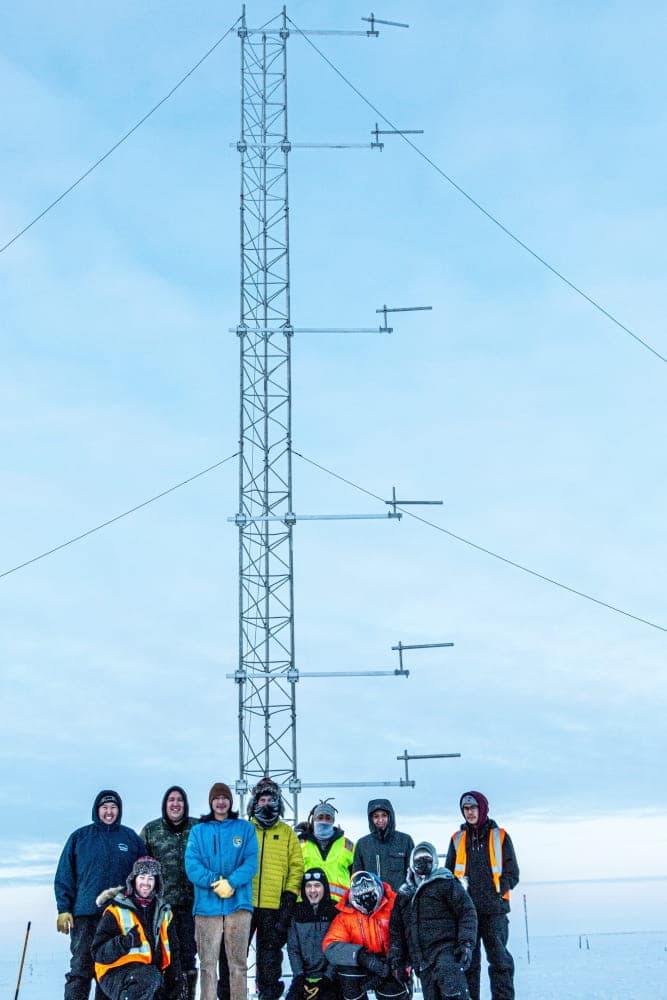
Researchers involved in the CHACHA field campaign, Chemistry in the Arctic, Clouds, Halogens, and Aerosols, reported observations of multiple feedbacks tied to oil field operations and Arctic boundary layer chemistry that can speed local warming and degrade air quality. Field teams observed strong convective plumes and cloud formation over open water leads and over active oil field areas. Those plumes carried heat and pollutants upward, altering the structure of the lower atmosphere.
The campaign documented interactions between oil field emissions and saline snowpacks that can trigger halogen chemistry, including bromine activation, and lead to localized ozone depletion near the surface. In operational areas around Prudhoe Bay and other North Slope sites, plume chemistry produced smog conditions in the lower atmosphere that mirror processes seen in urban pollution episodes. Combined, these processes can increase cloud cover, promote lead formation, loft aerosols and gases, and contribute to feedbacks that favor sea ice loss and persistent boundary layer changes.
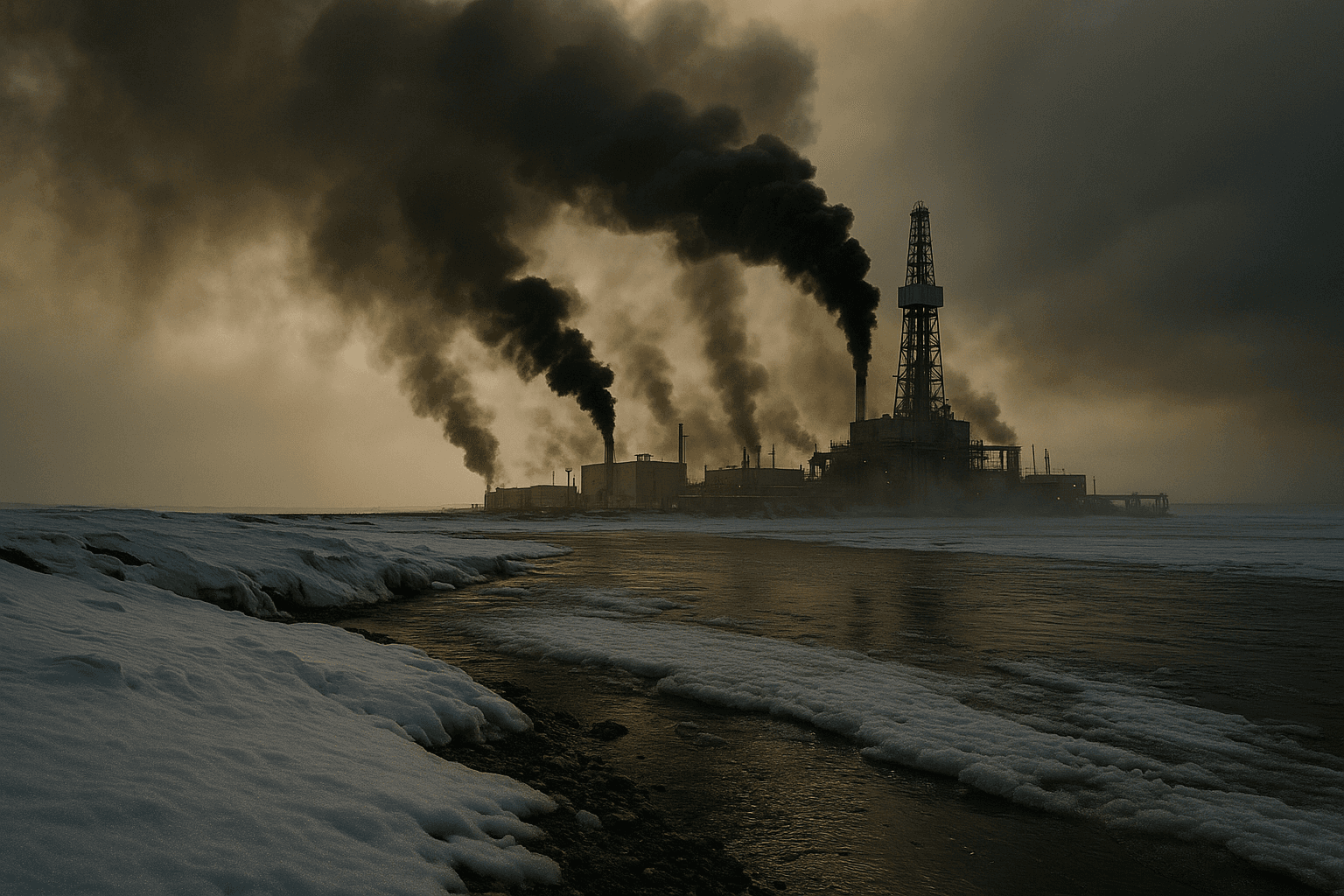
For North Slope Borough residents, the findings raise immediate public health and community resilience concerns. Changes in near surface ozone and aerosol chemistry can affect respiratory health, complicate hunting and subsistence activities by altering the timing and safety of travel on ice, and influence the availability and predictability of marine mammals and fish. Accelerated lead formation and local warming also have consequences for infrastructure planning, because shifts in sea ice and boundary layer dynamics affect coastal erosion, ice road reliability, and long term maintenance needs.
The study underscores the need for expanded environmental monitoring and for policies that account for localized chemical feedbacks, not just regional emissions totals. Local air quality stations and targeted measurements near operations could better detect episodic plumes and halogen driven ozone events. Community involvement in monitoring priorities and stronger coordination between regulators, operators, and Indigenous knowledge holders will be important to protect health, subsistence livelihoods, and critical infrastructure as Arctic conditions change.
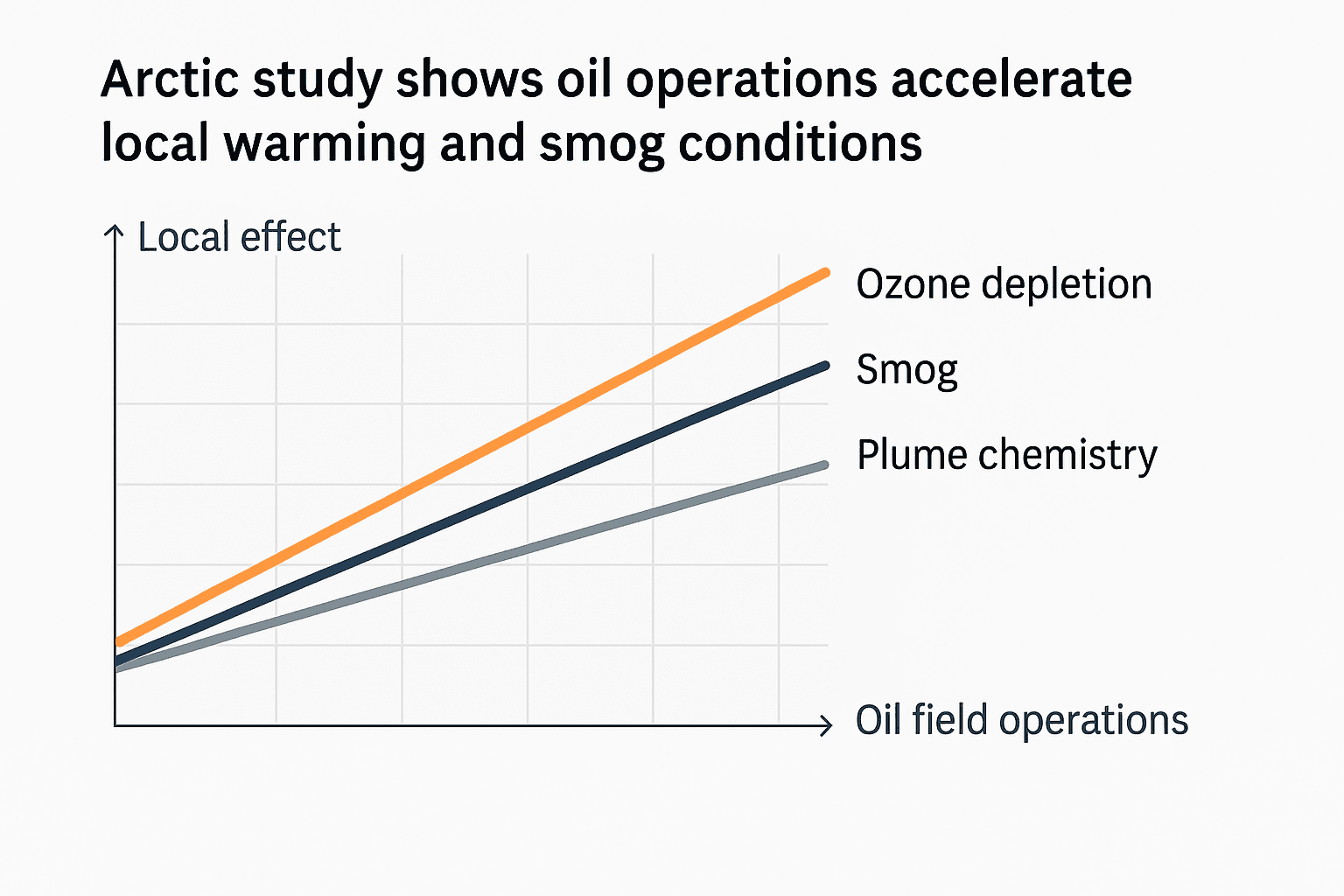
Ongoing field campaigns and publicly released datasets from CHACHA aim to support that work, offering the observational basis for more precise mitigation and adaptation strategies for the North Slope.
Sources:
Know something we missed? Have a correction or additional information?
Submit a Tip