Asheville begins multi-year rewrite of aging land-use code
Asheville planners launched a staged, multi-year rewrite of the city's nearly 30-year-old Unified Development Ordinance; the update will shape zoning, flood resilience, and redevelopment.
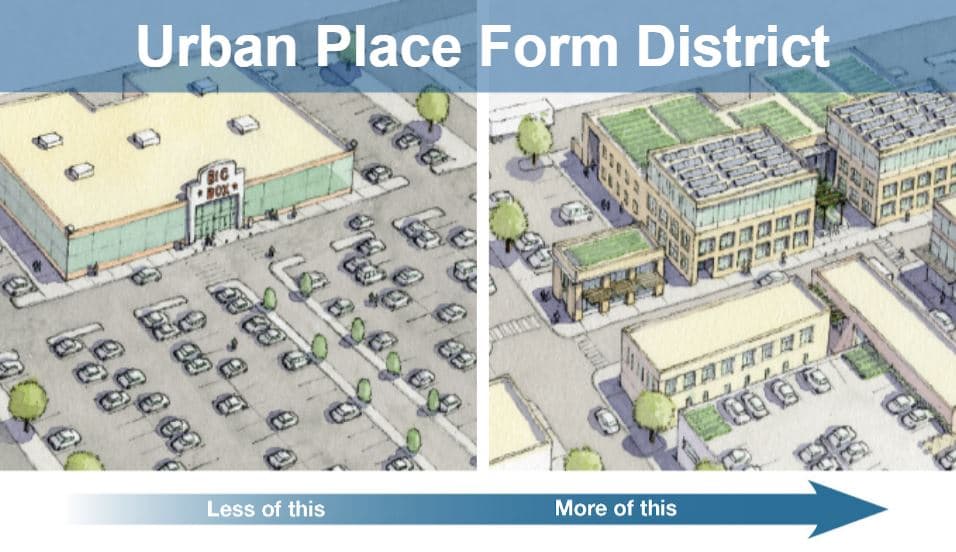
City planning staff and the Planning and Zoning Commission outlined a major, multi-year effort to overhaul Asheville’s Unified Development Ordinance (UDO) at a Jan. 7 meeting, setting in motion a staged rewrite intended to bring the city’s land-use rules into line with contemporary priorities. The UDO, nearly three decades old, governs zoning, development standards and design rules across the city and has been criticized by some officials and staff as "broken."
The update is framed as a core step in implementing Asheville’s 2018 comprehensive plan. Planning staff said the rewrite will address persistent shortcomings in current regulations, modernize zoning and design standards, and embed priorities such as resilience, flood-aware development and sustainable reuse of industrial and commercial sites. That latter aim factors into active redevelopment conversations citywide, including conceptual plans for a new venue by The Orange Peel on a former brewery site.
Officials expect the process to take multiple years and to proceed in stages so that discrete code sections can be updated, reviewed and adopted sequentially. The Planning and Zoning Commission will play a central role in drafting and vetting proposed changes, with staff signaling substantial public engagement is planned as rules are revised. For property owners, neighborhood associations and developers, the rewrite could change how projects are designed and permitted, alter allowable uses in existing zones, and shift design expectations along commercial corridors and residential neighborhoods.
Practical implications for Buncombe County residents include potential changes to setback and density standards, clearer floodplain and stormwater provisions that could affect development in low-lying river corridors, and new rules that encourage repurposing existing buildings rather than demolition. Those changes can influence permitting timelines, property values and insurance considerations, particularly for homeowners and businesses in flood-prone pockets of the city. For creative-economy stakeholders, such as live-music venues and adaptive-reuse developers, updated standards could make it easier to convert industrial footprints into cultural or mixed-use spaces while meeting resilience benchmarks.

Asheville’s initiative reflects a broader global shift in urban governance toward updating legacy codes to manage climate risk and support sustainable redevelopment. Local officials have signaled they want a code that aligns with long-term planning goals while remaining responsive to neighborhood character and community input.
The staged process means there will be repeated opportunities for public comment as drafts emerge; the Planning and Zoning Commission will shepherd that public engagement and recommend specific ordinance language for adoption. Our two cents? Follow the meeting calendar, review draft sections as they appear, and bring concrete questions about parcels, permits and flood risk to commissioners—this rewrite will shape the rules that determine what gets built here for decades to come.
Sources:
Know something we missed? Have a correction or additional information?
Submit a Tip