Asheville Dismantles Temporary Reservoir Pretreatment Systems, Moves Toward Permanent Repairs
Temporary pretreatment systems installed at two of Asheville's water reservoirs after Tropical Storm Helene were taken offline and are being dismantled, city officials said, signaling a shift from emergency measures to long term infrastructure work. The move matters to residents because those interim units helped protect raw water quality and treatment operations while watershed repairs proceed, and the city is pursuing state and federal hazard mitigation funding for permanent upgrades.
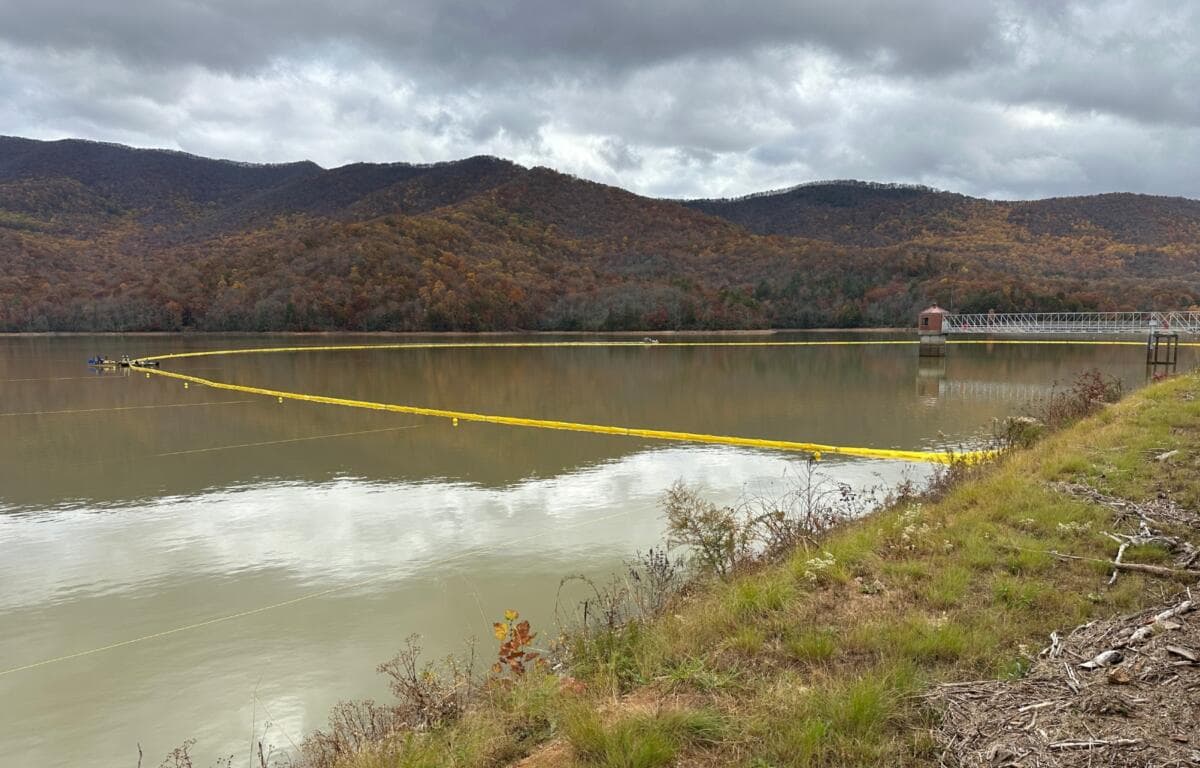
On December 5 city officials began taking offline and dismantling temporary pretreatment systems that had been installed at two of Asheville's water reservoirs after watershed infrastructure was damaged by Tropical Storm Helene. The units had served as interim measures to improve raw water quality and to protect water treatment operations while longer term watershed repairs and engineering work were under way. City Water Resources Department spokesperson Clay Chandler said the dismantling process would likely finish by the end of the month.
The removal marks a transition point in the Helene recovery effort. Officials framed the change as a step toward installing permanent mitigation and infrastructure improvements that are part of a broader multi year recovery and resilience plan. City leaders are pursuing state and federal hazard mitigation funding to support those upgrades, and municipal engineers continue to design watershed fixes and treatment plant adjustments intended to reduce vulnerability to future storms.
For residents the immediate significance is twofold. First temporary pretreatment units provided a buffer that maintained water quality and helped keep treatment operations stable during post storm repairs. Taking those units offline means the city will increasingly rely on repaired watershed controls and upcoming permanent infrastructure to sustain that protection. Second the shift highlights the central role of funding and project timelines in determining how quickly resilience improvements reach completion, and it places a spotlight on how effectively city officials manage hazard mitigation grants and engineering schedules.

The decision also carries implications for local governance and civic engagement. Recovery and resilience planning involves technical choices about watershed engineering, budgeting decisions about grant applications and local matching funds, and scheduling that can affect neighborhoods served by the reservoirs. Residents should monitor city announcements about grant awards and construction timelines, and attend public meetings where mitigation priorities and budgets are discussed.
As the temporary systems come down, officials say the work will continue to ensure that the long term measures meet water quality and resilience goals established after Tropical Storm Helene. Tracking progress on funding, permitting and construction will determine how quickly Asheville moves from emergency fixes to lasting protections for its drinking water supply.
Sources:
Know something we missed? Have a correction or additional information?
Submit a Tip