Asheville GreenWorks Diverts Hard to Recycle Items from Landfill
Asheville GreenWorks held a Hard 2 Recycle collection at TC Roberson High School on December 6, accepting items that are not accepted in curbside recycling, including rigid Styrofoam, electronics, lawn equipment and small appliances. The event eased pressure on local landfills, but organizers warned of long lines because the collection coincided with other activities on site and advised residents to pre sort items and allow extra time.
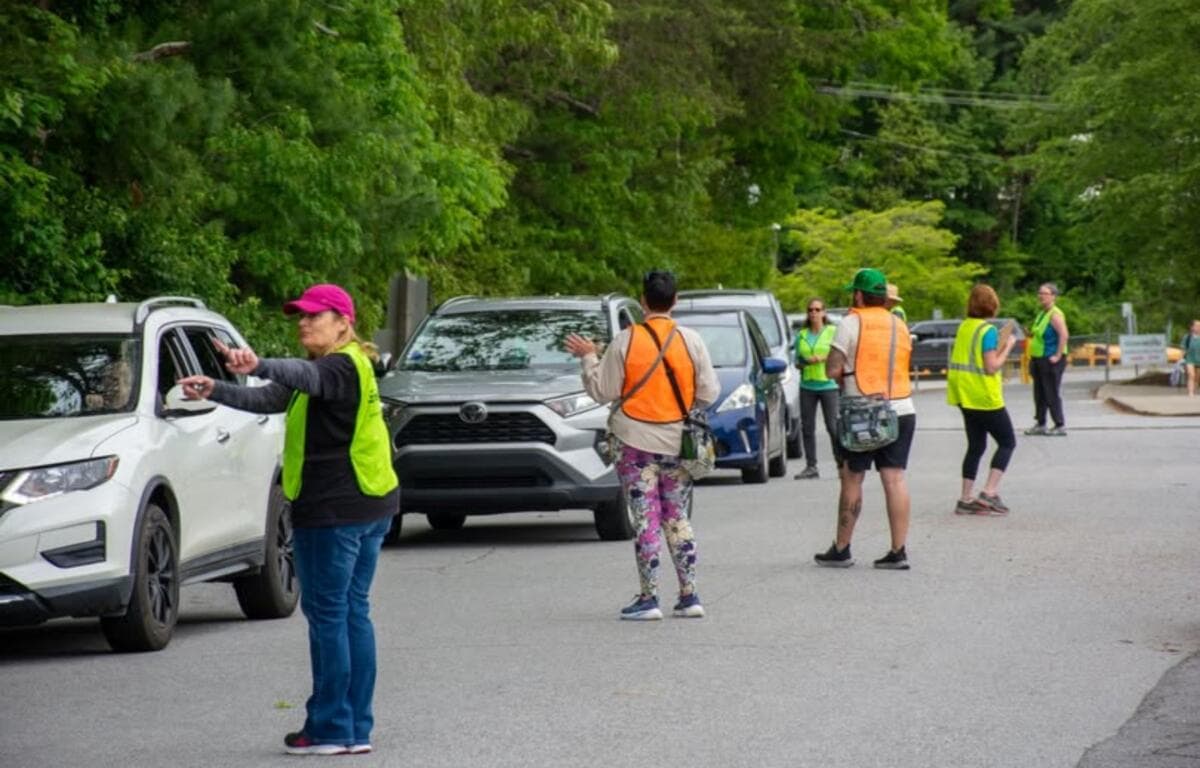
Asheville GreenWorks operated a Hard 2 Recycle collection at TC Roberson High School on December 6, providing a drop off point for bulky and problematic materials that do not belong in Buncombe County curbside recycling. Residents brought rigid Styrofoam of the type that breaks into beads, electronics, lawn equipment and small household appliances. Typical fees applied for certain items, with a common charge of ten dollars for televisions and computer monitors.
Organizers anticipated and experienced a large turnout because the collection coincided with other events on the school campus. They advised attendees to pre sort items and to allow extra time when arriving. The logistical constraints and overlapping activities contributed to congestion on site, underscoring capacity limits when one nonprofit program absorbs a wide range of materials in a single event.
The Hard 2 Recycle program is run by Asheville GreenWorks as a regional effort to divert hard to recycle materials from Buncombe County landfills. By accepting items that curbside systems do not, these recurring collection events reduce landfill volume and keep hazardous or bulky items out of regular waste streams. The program fills a gap left by municipal recycling services, which typically exclude large electronics, bulky plastics and small machinery from curbside pickup.

The event highlights broader policy and institutional choices facing local officials. Reliance on periodic nonprofit collections shifts responsibility and cost onto volunteer led programs and residents who can transport items. If county leaders prioritize reducing landfill use and improving convenience for residents, options include expanding municipal collection capacity, providing more frequent community drop off sites, or partnering with nonprofits for sustained funding and logistics. Those choices carry budgetary trade offs that voters and elected officials will weigh in future budget and policy decisions.
For residents, the practical takeaways are clear. Pre sort materials, expect longer wait times when events coincide with other activities, and plan to pay the standard fee for certain electronics. Hard to recycle collections offer a local way to dispose of problematic items responsibly, but long term solutions will require coordination between nonprofits and local government to scale access and address funding and infrastructure challenges.