Asheville River Arts District draws visitors, supports local artists and economy
Asheville's River Arts District is a cluster of former industrial buildings along the French Broad River turned into working studios and galleries, offering regular open studio events and demonstrations that attract residents and tourists. The district matters to Buncombe County because visits and purchases funnel income directly to local artists, help revitalize riverfront property, and create ongoing needs for parking, access, and affordable studio space.

The River Arts District in Asheville occupies former industrial buildings along the French Broad River that now house working studios and gallery spaces. Scores of artists and creative enterprises operate in the corridor, providing public access to studios, demonstrations and gallery exhibitions. Regular programming makes the district a reliable cultural destination for Buncombe County residents and visitors alike.
Visitors planning a trip will find the best opportunities to see artists at work during open studio events. Second Saturday gatherings remain a primary draw, and the district also stages monthly and seasonal studio strolls that concentrate open studios and special demonstrations. Weekends tend to offer the most consistent access to glassblowing demonstrations, pottery studios and guided studio tours, while weekday visits can be quieter for personal appointments and group outings.
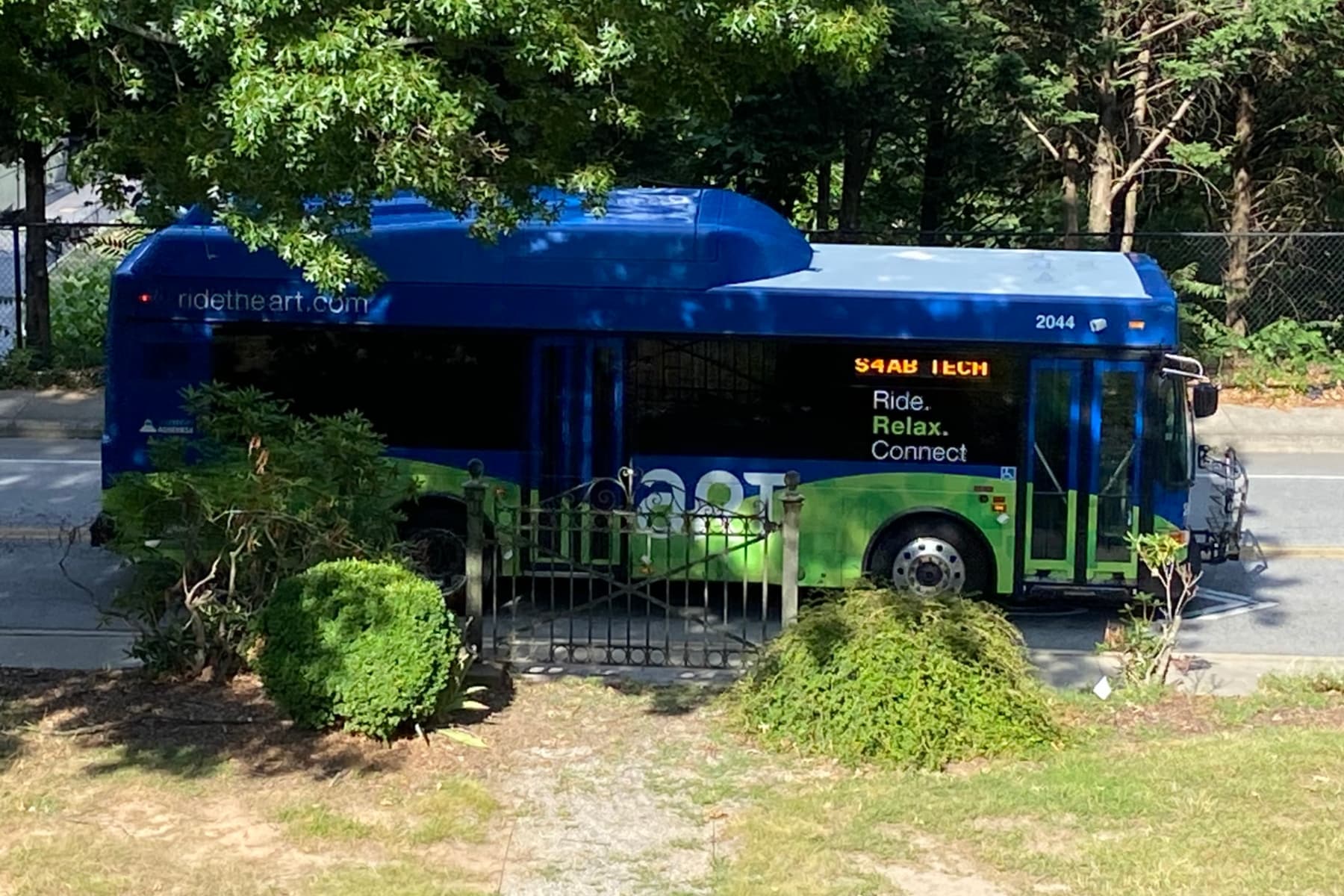
Practical considerations shape the local experience. Parking and greenway access connect the district to downtown Asheville and nearby neighborhoods, but demand can peak during Second Saturday and seasonal events. Residents organizing group outings should plan arrival times, carpooling or public transit options and allow time for parking and walking along the greenway to move between studio complexes. Purchases made at studios and galleries go directly to individual artists and small creative businesses, circulating revenue through the local economy and supporting livelihoods in Buncombe County.
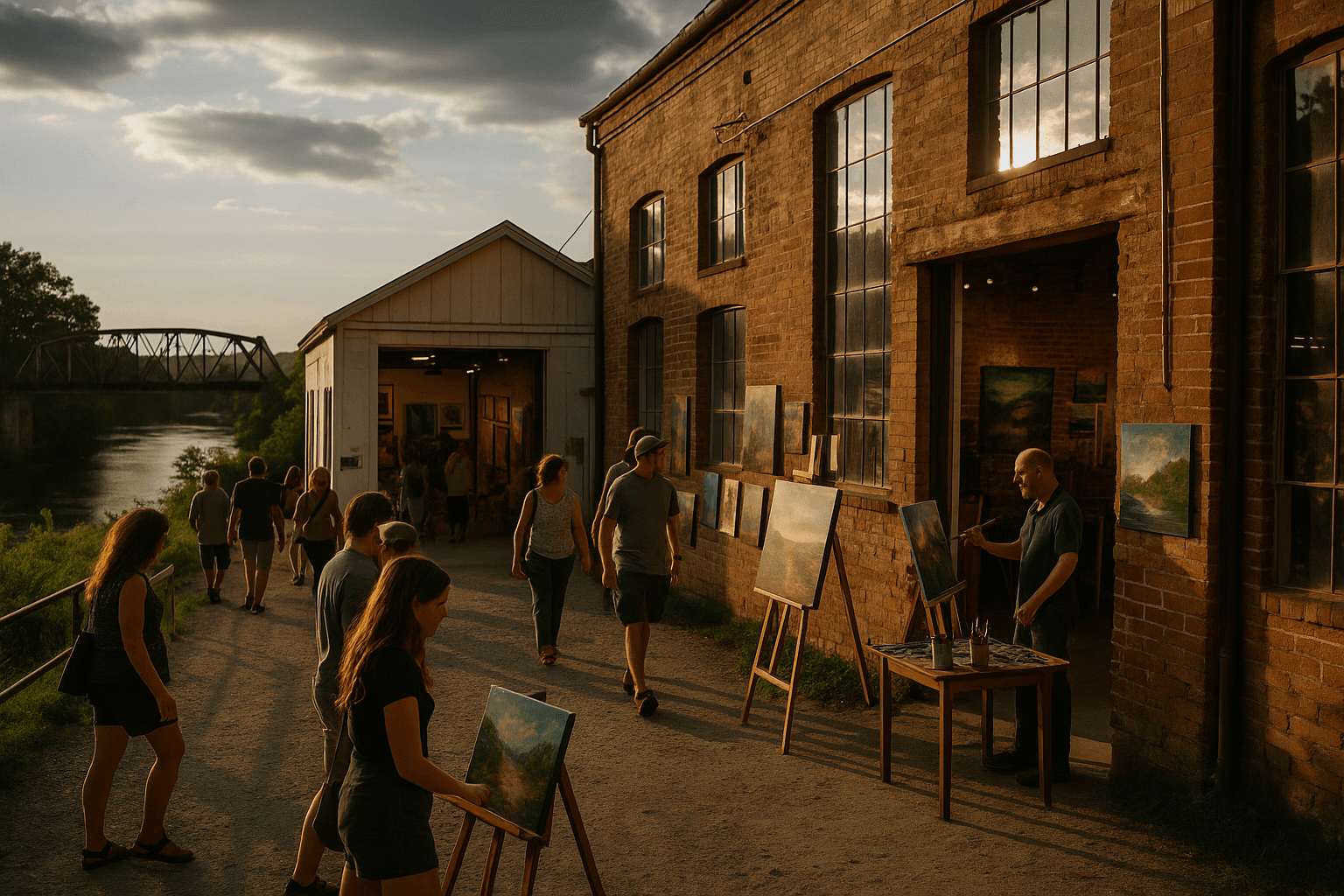
Economically, the River Arts District exemplifies adaptive reuse of industrial property into cultural and commercial activity. The conversion of riverfront buildings has increased foot traffic and consumer spending in adjacent blocks, while the visible creative sector supports tourism that extends dining and retail sales across the city. To sustain this dynamic, local priorities include maintaining affordable studio space for emerging artists, ensuring adequate parking and multimodal access for visitors, and continuing investment in riverfront infrastructure that preserves both heritage buildings and public greenway amenities.
For residents, the district offers accessible cultural programming and direct ways to support local creators. Plan visits around Second Saturday and the district's monthly and seasonal studio strolls to see the widest range of artists working live, bring purchases home to reinforce the local creative economy, and allow extra time for parking and greenway walking during peak events.
Sources:
Know something we missed? Have a correction or additional information?
Submit a Tip