Asian Markets Slip as Wall Street Retreats, Policy Signals Weigh
Asian equity markets eased on December 9 after U.S. stocks pulled back from recent record levels, sharpening investor focus on incoming economic data and central bank trajectories. The move matters for global risk appetite because U.S. equity performance and policy signals from Beijing are key drivers of capital flows and currency volatility across the region.
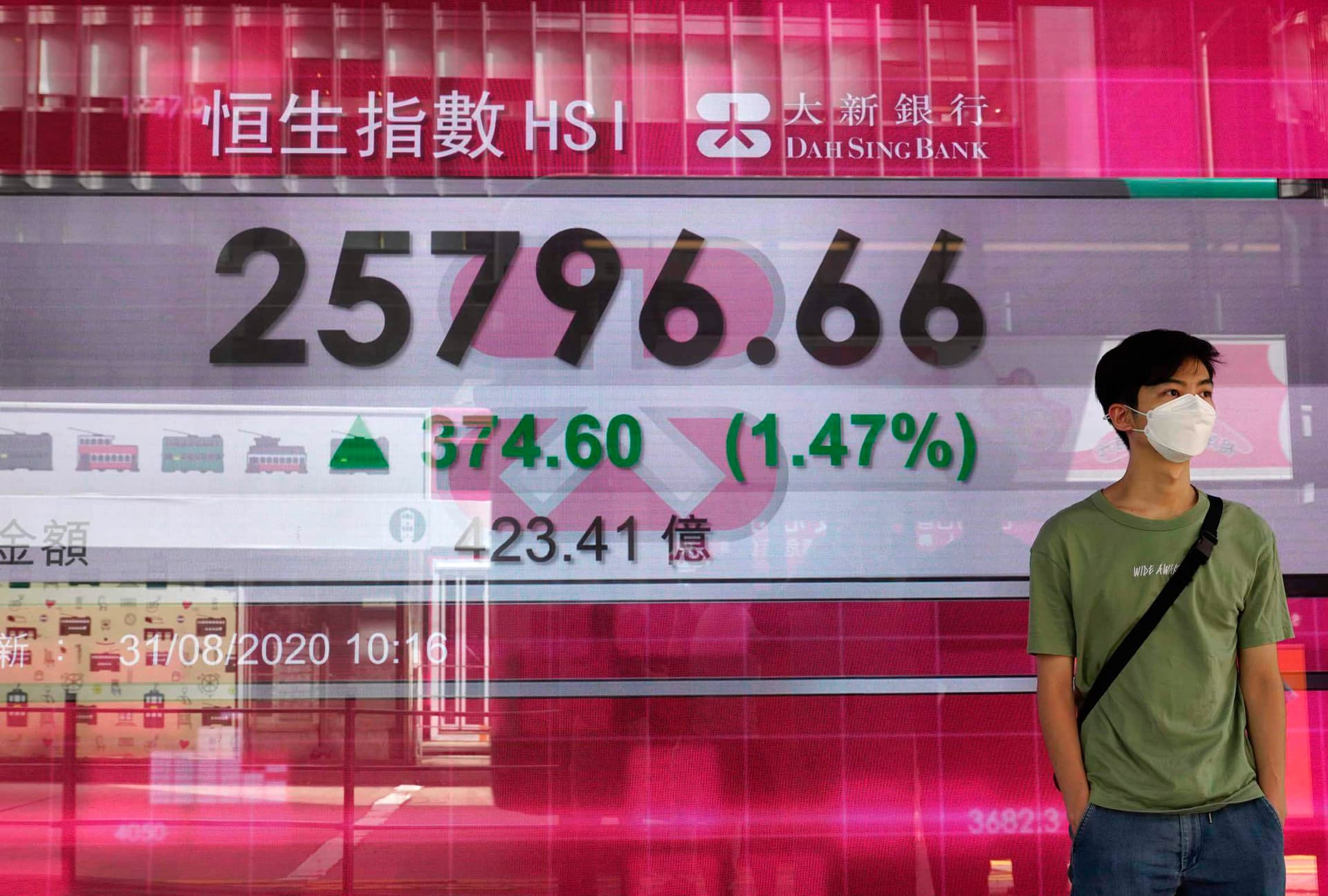
Asian markets moved lower on December 9 after U.S. equities retreated from recent peaks, with investors recalibrating risk positions ahead of fresh American economic releases and central bank meetings. Tokyo bucked the regional trend with the Nikkei registering a modest advance, while other major bourses recorded losses as traders digested signals from both Washington and Beijing.
The pullback in U.S. markets on December 8 curtailed the momentum that had pushed global equities to new highs earlier in the week, prompting a reassessment of near term monetary policy expectations. Market participants cited a cluster of U.S. data due in the coming days as likely to shape Federal Reserve guidance on the path of interest rates. That shifting calculus has immediate implications for asset allocation in Asia, where foreign portfolio flows and currency dynamics are sensitive to moves in U.S. yields and risk sentiment.
China’s markets were notably weaker amid attention to policy signals coming out of Beijing’s Central Economic Work Conference. Investors parsed the meeting for indications on whether authorities will step up fiscal and monetary support or rely more on structural measures to sustain activity. The subdued performance in mainland equities reflected uncertainty about the scope and speed of any stimulus, an important consideration for regional exporters and commodity linked sectors.
Currency markets added another layer of complexity, as exchange rates reacted to the mix of U.S. market gyrations and domestic policy cues. Traders in Asia were watching central bank communications closely for signs of continued divergence in policy paths, a factor that influences capital flows and import cost pressures. For economies reliant on external demand, even modest currency shifts can amplify trade and earnings volatility.

Portfolio managers and analysts said the reversal of some of the recent gains in U.S. stocks has a magnified effect in Asia because of the concentrated ownership of local equities by international funds and the importance of dollar funding for leveraged positions. With liquidity conditions remaining a focal point, risk assets will be sensitive to any surprise in upcoming U.S. data that could alter expectations of rate cuts or hikes.
Over the longer term, the episode underscores two persistent features of the post pandemic market landscape. First, U.S. monetary policy and data continue to exert outsized influence on global valuations and cross border capital movement. Second, policy ambiguity in China creates episodic volatility that can offset broader risk rallies. For investors and policymakers alike, the interaction between U.S. macro trends and China’s domestic decisions will remain the central axis around which Asian markets turn.