Atmospheric River Threatens Heavy Rain, Flooding Across Lane County
On December 8 the National Weather Service forecasted a strong atmospheric river bringing multiple waves of heavy rain and wind to western Oregon, with rain expected to start Monday and continue through Thursday. Lane County residents face minor flooding in low lying and flood prone areas, increased urban flooding where storm drains are blocked, and heightened public health and access challenges for vulnerable populations.
The National Weather Service issued a forecast on December 8 detailing an atmospheric river that is expected to bring multiple periods of heavy rain and wind to western Oregon. Forecast totals included roughly 1.5 to 2.5 inches of rain across the southern Willamette Valley, 2 to 4 inches along the coast, and 6 to 12 inches in the Coast Range. Local forecasters warned of minor flooding in low lying and flood prone areas and stressed the potential for urban flooding where storm drains become blocked.
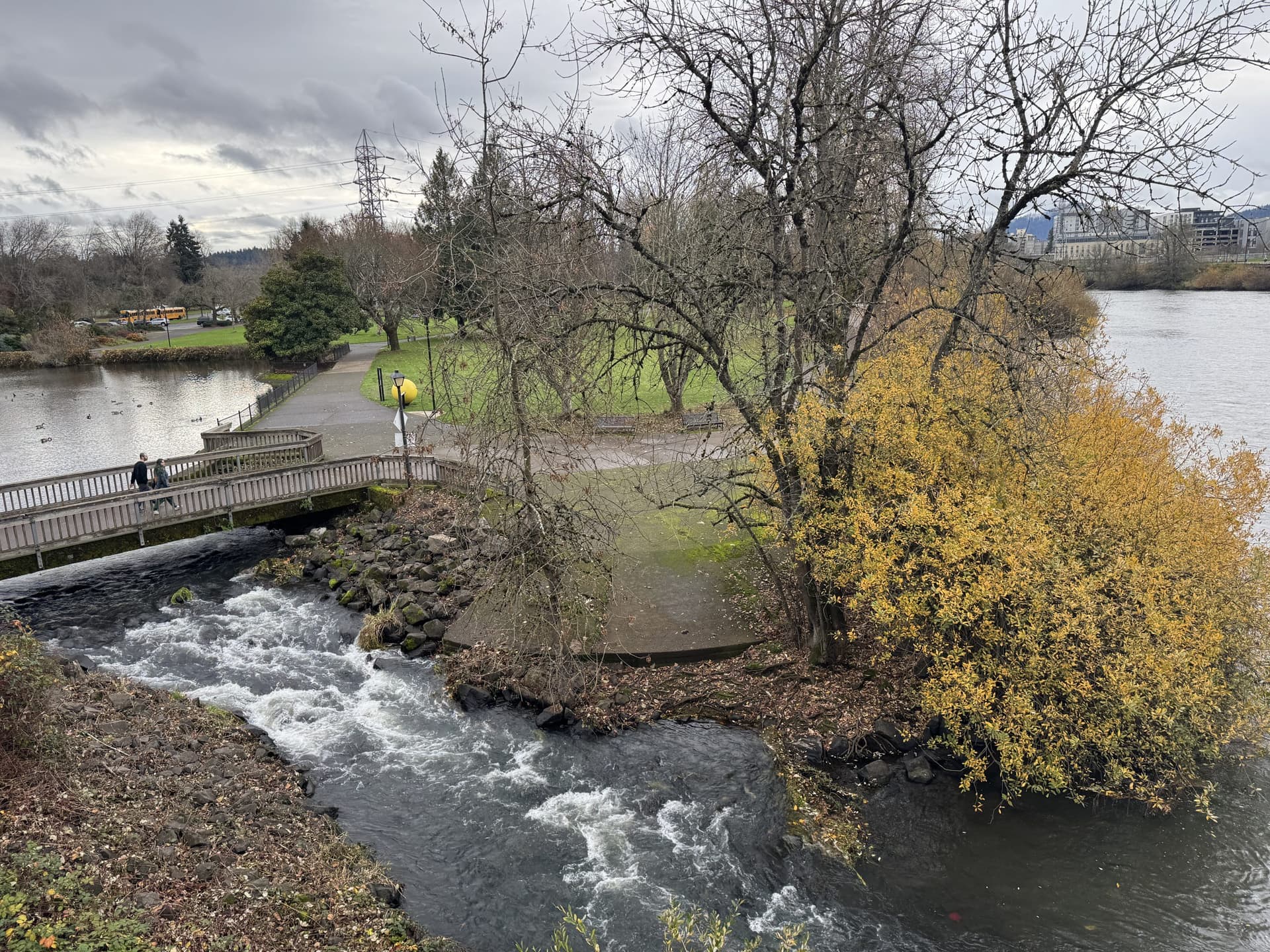
Key waterways in Lane County are likely to respond quickly because soils are already saturated. The Willamette River, Amazon Creek, Delta Ponds and tributaries of the McKenzie River were highlighted as locations to watch for rising water. Saturated ground reduces infiltration and accelerates runoff, which can cause faster river rises and shorter warning times for neighborhoods near creeks and ponds.
The forecast has immediate public health implications. Flooded streets and blocked drains can isolate residents, complicate travel to clinics and hospitals, and delay emergency response. People who rely on regular medical care, including dialysis and oxygen dependent patients, face higher risks if roads are impassable or if power outages interrupt services. Communities with limited transportation options, older adults, and people experiencing homelessness are disproportionately affected, underscoring equity concerns in emergency planning and resource allocation.

Local governments and service providers are monitoring conditions and preparing to respond. Residents can reduce risk by moving valuables and critical supplies to higher ground, avoiding driving through flooded streets, and clearing debris from gutters and drains if it is safe to do so. Check on neighbors who may need assistance and be ready for localized power interruptions.
This atmospheric river underlines the need for sustained investment in stormwater infrastructure and emergency services that prioritize vulnerable residents. As rain continues through the week, Lane County officials and community organizations will need to coordinate shelter, transportation and health care access to reduce harm for those most at risk.