Attendance Shifts in Morgan County Schools Signal Mixed Progress
Statewide attendance data for the 2024 to 2025 school year showed a modest decline in chronic truancy even as the broader truant rate edged up, a pattern reflected in several Morgan County districts. The numbers matter locally because chronic absences affect learning outcomes, funding formulas, and the county workforce pipeline.
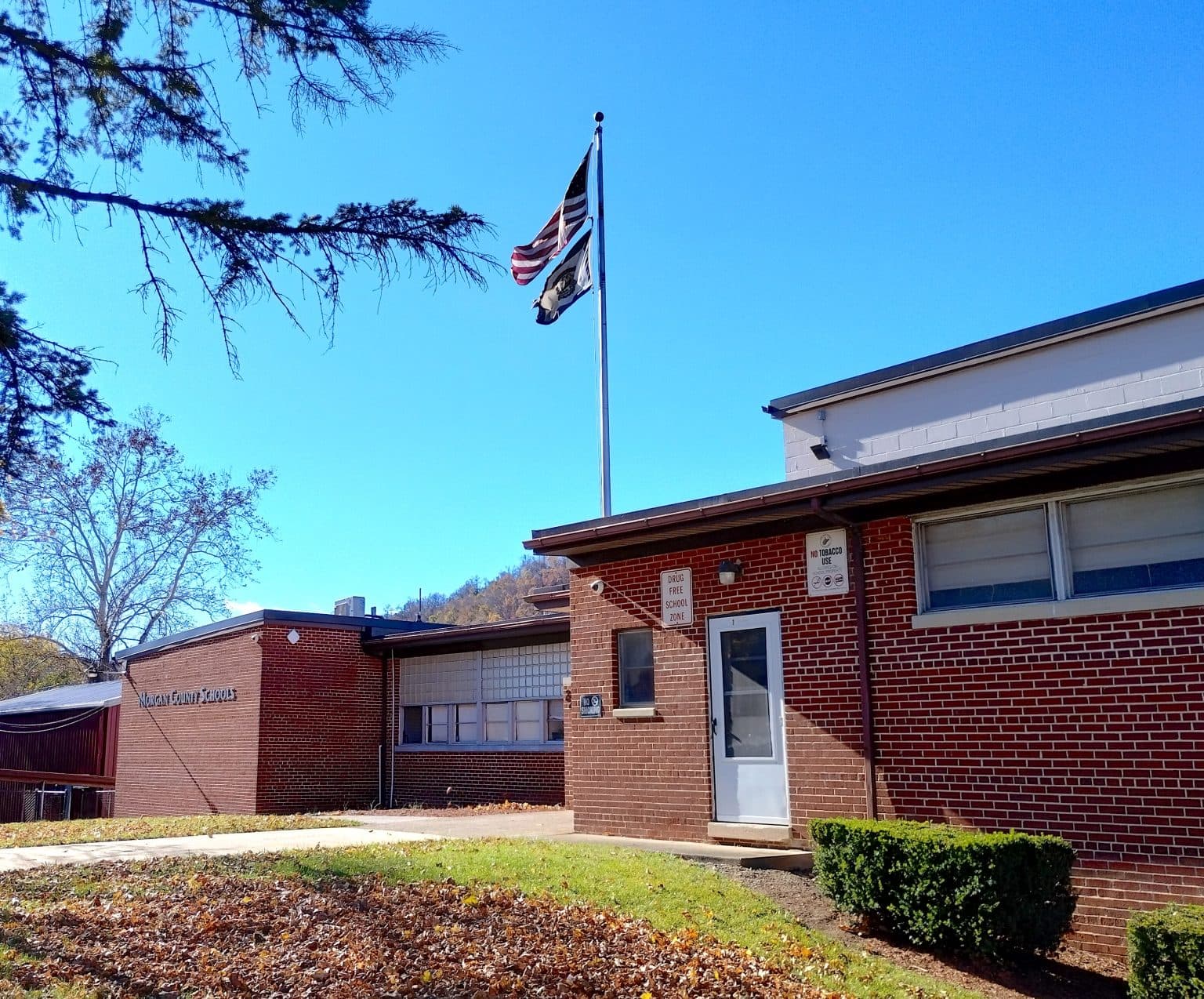
New statewide figures released for the 2024 to 2025 school year showed chronic truancy falling to about 19.8 percent from 20.0 percent, while the overall truant rate rose to 26.3 percent from 25.7 percent. The mixed trend was visible in Morgan County where some districts made notable gains on the most severe absences even as attendance challenges persisted.
Meredosia Chambersburg posted one of the sharper local improvements. Chronic truancy declined to 10.9 percent in 2024 to 2025 from 16.3 percent the prior year, and the broader truancy rate fell to 17.8 percent from 25.5 percent. Triopia reported a truancy rate of 4.9 percent for 2024 to 2025, an improvement from previous years. Waverly saw chronic truancy dip to 10.1 percent in 2025, down from 14.7 percent in 2024. Jacksonville showed almost no change at the overall truancy level, reporting about 28.1 percent for 2024 to 2025 versus 28.2 percent the prior year. Chronic truancy figures for Jacksonville were redacted in the public report.
The state calculations make important technical distinctions. Chronic truancy is defined as missing 5 percent or more of school days without a valid excuse. Truancy refers to missing more than 1 percent but less than 5 percent of days without a valid excuse. Excused absenteeism is recorded separately and does not count toward those measures. The current pattern suggests fewer students are reaching the chronic threshold, while more are clustered in the lesser truancy bracket, shifting the distribution but leaving attendance an ongoing issue.

For Morgan County, the local impacts include potential effects on student achievement, eligibility for certain state programs, and long term workforce readiness. Lower chronic truancy reduces the pool of students most at risk of falling behind, but rising rates of lesser absences can still erode classroom progress and complicate district planning. School leaders will need targeted interventions that address root causes such as transportation, health, and family support to sustain progress. The statewide trend underscores that while progress is measurable, consistent attention and resources are required to turn attendance gains into persistent improvements in learning and labor market outcomes.