Australia Will Block Under Sixteen From Major Social Platforms
Australia is set to become the first country to require major social media platforms to prevent users under 16 from accessing specified services, a move due to take effect at midnight on December 10, 2025. The decision carries hefty fines and global attention, as governments and technology companies weigh the legal, technical and ethical consequences for privacy and youth online safety.
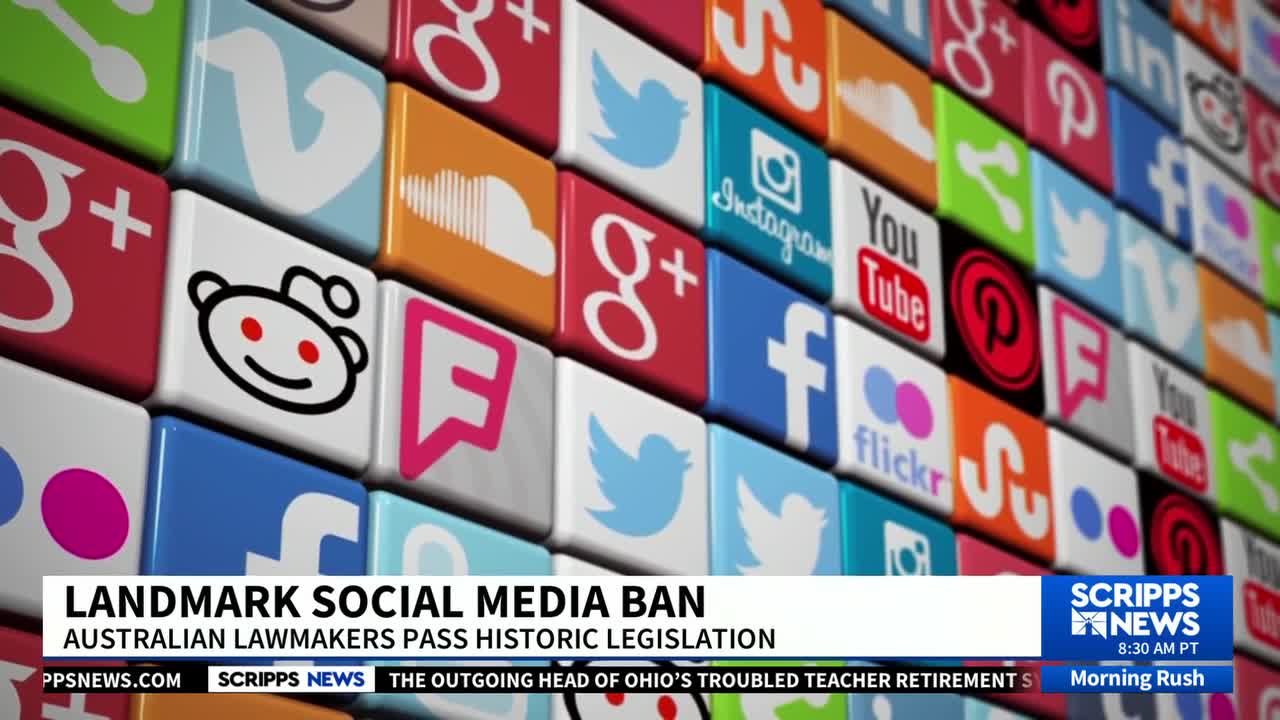
Australia will become the first nation to legally require major social media platforms to block users under 16 from accessing selected services when a law passed in November 2024 takes effect at midnight on December 10, 2025. The initial list covers 10 large platforms, including YouTube, Instagram and TikTok, and noncompliance could draw fines of up to A$49.5 million.
The measure represents a significant escalation in regulatory approaches to online safety for children. Canberra’s legislation forces large technology companies to choose or deploy tools that either verify users’ ages or infer them from behavioral and device signals. Most of the major platforms have signaled they will comply, according to reporting, relying on a mix of age inference algorithms and verification systems to meet the deadline. X, the platform formerly known as Twitter, has publicly criticized the law.
The government’s enforcement framework is intended to hold platforms accountable for access controls, rather than criminalizing young people or parents. Regulators will be empowered to require technical changes and to levy financial penalties against companies that fail to restrict under 16s from the named services. The law’s architects argue that legally mandating age limits is necessary to address growing evidence that social media can exacerbate harms to children’s mental health, privacy and development.
Technology and privacy experts warn the rollout will present immediate practical and ethical challenges. Age inference systems can misclassify users, raising risks of both wrongful exclusion and false reassurance about safety. Verification methods that rely on identity documents or phone numbers create data collection and privacy tradeoffs, and could exclude vulnerable or marginalized youths who lack the necessary documents or connectivity.

The policy is drawing close international scrutiny. Governments in Europe and Asia are watching Australia’s implementation as they consider their own age based rules. Some regulators see Canberra’s approach as a test case for how to balance child protection with digital rights, while industry groups are monitoring enforcement and litigation risks. The outcome could influence forthcoming legislation in multiple jurisdictions and shape platform investment in compliance technology.
Civil society organizations are divided. Advocates for stronger child protections see the law as a precedent that could curb exposure to harmful content and targeted advertising. Digital rights groups caution that heavy handed verification and pervasive inference technologies could erode privacy and entrench surveillance practices online.
As the December 10 enforcement deadline approaches, platforms must finalize technical deployments and prepare to demonstrate compliance to Australian authorities. The effectiveness of the policy will depend on how accurately systems can distinguish young users, how robustly regulators enforce the penalties, and how courts interpret challenges that are likely to follow. Reporting by Byron Kaye underscores that Australia’s move will be watched closely around the world, with implications for the future of online safety, privacy and regulation.