Avenue of the Giants boosts Humboldt tourism, demands winter readiness
The Avenue of the Giants, a 31 mile scenic alternative to U.S. 101 that runs through Humboldt Redwoods State Park, remains a major draw for visitors and a key economic asset for gateway towns Phillipsville, Myers Flat and Weott. As winter brings moss and waterfall scenery, residents and officials face seasonal access challenges, safety concerns for motorists and cyclists, and infrastructure needs that affect local businesses.
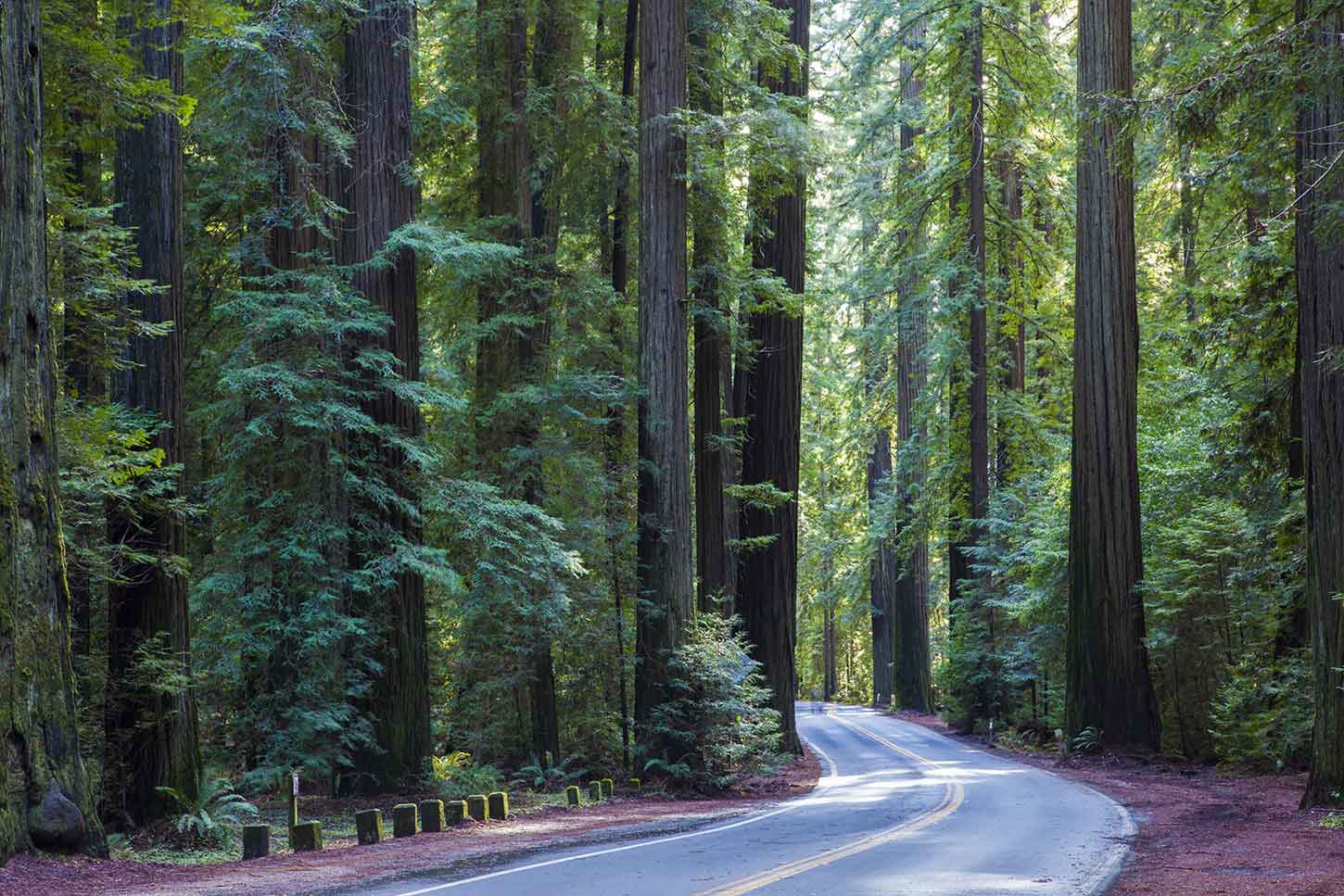
The Avenue of the Giants is central to Humboldt County recreation and the local economy. The 31 mile route through Humboldt Redwoods State Park links small gateway towns and provides direct access to major groves including Founders Grove and Rockefeller Forest, which contains some of the largest contiguous old growth redwood stands in the region. The corridor includes pullouts, picnic areas and short accessible loops such as the Founders Grove Nature Loop, making it suitable for families and visitors seeking short walks and easily reached viewpoints.
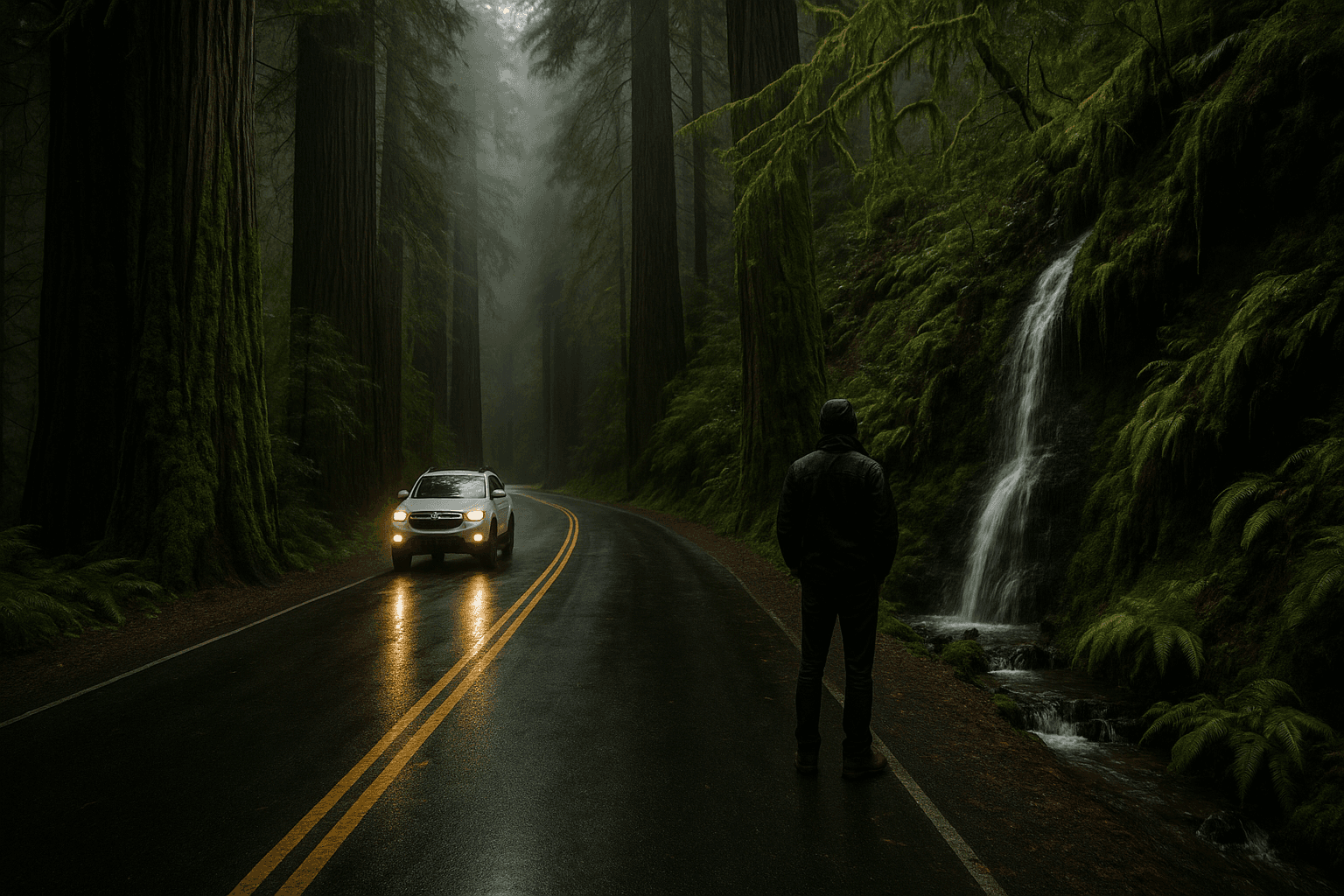
Winter months bring dramatic moss and waterfall scenery that can draw photography and nature visitors, while summer conditions are drier and generally easier for driving and walking. Those seasonal contrasts matter locally because visitor patterns affect retail, lodging and food service revenues in Phillipsville, Myers Flat and Weott. The Avenue also concentrates traffic on a narrower road network, creating economic opportunity alongside safety and maintenance demands. Drivers are advised to allow extra time, watch for tight turns and share the road with cyclists. Park visitors should plan a stop at the Humboldt Redwoods State Park Visitor Center on Avenue of the Giants for maps and up to date trail conditions, and check park and CalTrans notices in winter for closures or hazards.
From a policy perspective, the route highlights trade offs for county planners and state agencies. Maintaining safe road shoulders, clear signage and accessible trailheads supports tourism dollars and keeps visitors moving through small town commercial corridors. At the same time winter weather and the corridor s popularity raise maintenance and liability questions that affect budgets and planning priorities. Investing in coordinated communications between CalTrans and park management, and targeted improvements to reduce vehicle cyclist conflicts, would preserve economic benefits while mitigating risk.
Long term trends in outdoor recreation, including continued interest in nature based travel and flexible remote work arrangements, could increase demand for the Avenue and adjacent services. For residents and business owners, the immediate priorities remain safety, reliable winter information and ensuring visitors can reach the highlights, from Founders Grove to Rockefeller Forest, without endangering local traffic or overburdening facilities.