Avian influenza spreads among wild birds in Texas Panhandle
Wildlife rehabilitators and federal officials confirmed a rise in avian influenza cases among wild birds across the Texas Panhandle this week, with multiple species testing positive. The outbreak matters for local residents because cold weather and large bird gatherings increase spread, and officials urge people not to handle sick or dead birds to protect public health and local animal populations.
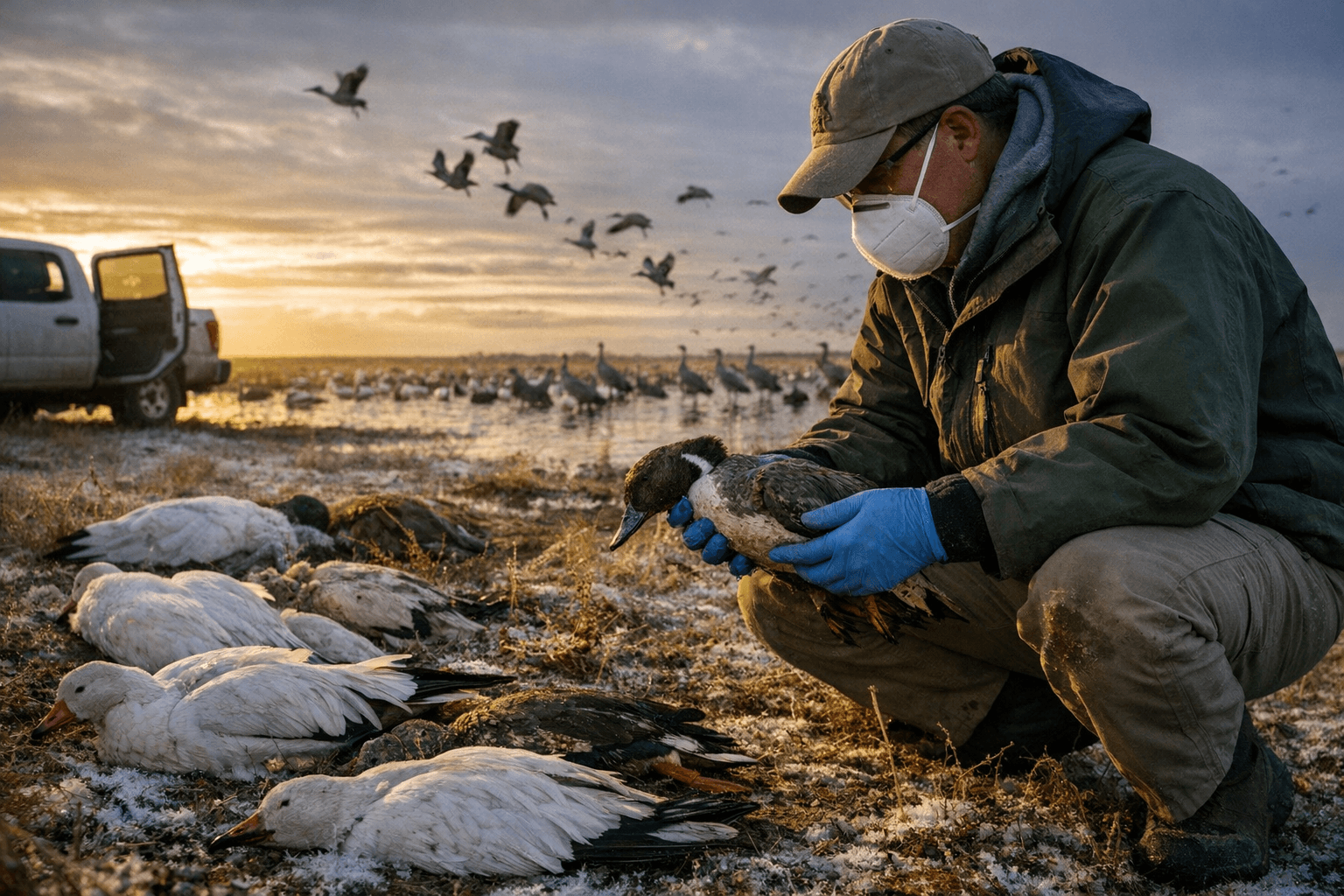
Wildlife experts in Amarillo reported on December 17, 2025 that avian influenza has surfaced in several wild bird species in the Texas Panhandle, sending local rehabilitation centers and state monitoring teams into heightened response. Stephanie Brady, executive director of the Wild West Wildlife Rehabilitation Center, said her team confirmed infections in geese, a red tailed hawk, and two great horned owls, and that additional birds have been sent to laboratories for testing. Brady warned that the virus persists longer in colder conditions and in water, saying, "It can live quite a long time in the water, on different surfaces."
Federal monitoring shows a broader pattern across the region. The U.S. Department of Agriculture Animal and Plant Health Inspection Service has recorded 14 confirmed avian influenza cases in the Texas Panhandle this year, including a cackling goose in Carson County, a raven and a red tailed hawk in Dallam County, a cackling goose in Deaf Smith County, a Muscovy duck in Harris County, two unidentified geese and three snow geese in Potter County, and three unidentified geese and one snow goose in Randall County. Testing and surveillance are ongoing as workers look for additional infections and potential spread.
Public health officials continue to emphasize that the risk to humans remains low, but they are urging caution to prevent transmission among birds and to minimize any human exposure. Brady stressed that the community should avoid picking up sick or dead birds, especially waterfowl and raptors, and seek trained help, saying, "Temperatures are getting colder, we are starting to see avian influenza. We’ve had several confirmed cases, so we would rather you not pick up birds, definitely not waterfowl or raptors. Call us first and let one of our team members go out and wear the proper PPE to capture the animal."
Local consequences extend beyond wildlife rehabilitation. Backyard poultry owners, ranchers, and rural communities that rely on informal networks for animal care may face increased disruption if outbreaks grow. Limited resources at nonprofit rehab centers and uneven access to veterinary services mean state and county health and agricultural agencies will need to support testing, containment, and outreach to ensure equitable protection for all residents and their animals.
Sources:
Know something we missed? Have a correction or additional information?
Submit a Tip