Aztec Ruins Boosts San Juan County Tourism, Local Economy Strengthens
Aztec Ruins National Monument remains a central cultural tourism anchor for San Juan County, preserving ancestral Puebloan structures and drawing regional and national visitors. Its interpretive programs and site amenities support local lodging, dining and fuel services in Aztec and Farmington, making site access and preservation a local economic and policy priority.

Aztec Ruins National Monument preserves ancestral Puebloan structures and a well preserved archaeological site with interpretive trails, a visitor center and year round educational programming. Visitors encounter the reconstructed great kiva, multi room dwellings and interpretive exhibits at the visitor center, while self guided trail signage and seasonal ranger talks provide onsite learning. The site offers parking and restrooms at the visitor center, and nearby Aztec and Farmington provide lodging, dining and fuel, linking the monument directly to local commerce and services.
For San Juan County residents the monument is more than a heritage site. It serves as a steady draw of regional and national visitors, supports heritage education programs, and anchors community events to the monument’s interpretive calendar. That connection concentrates spending in local businesses that sell accommodations, meals and transportation services, and it shapes peak demand for staffing and municipal services during busy seasons. Practical advice for visitors matters to that local economy. Check seasonal hours and trail conditions before visiting, bring water and sun protection because shade is limited, and respect posted rules including no artifact removal or climbing on ruins to preserve the site for future use.
From a policy perspective the monument presents a classic rural economic development trade off. Continued visitation generates revenue and supports jobs in Aztec and Farmington, but it also increases pressure on fragile archaeological resources and on county infrastructure. Managing that balance requires investments in visitor infrastructure, predictable seasonal staffing at the monument, and coordination between National Park Service staff and local officials on trail maintenance and emergency services. Maintaining interpretive programming keeps the site relevant for school groups and local events, reinforcing long term education partnerships.
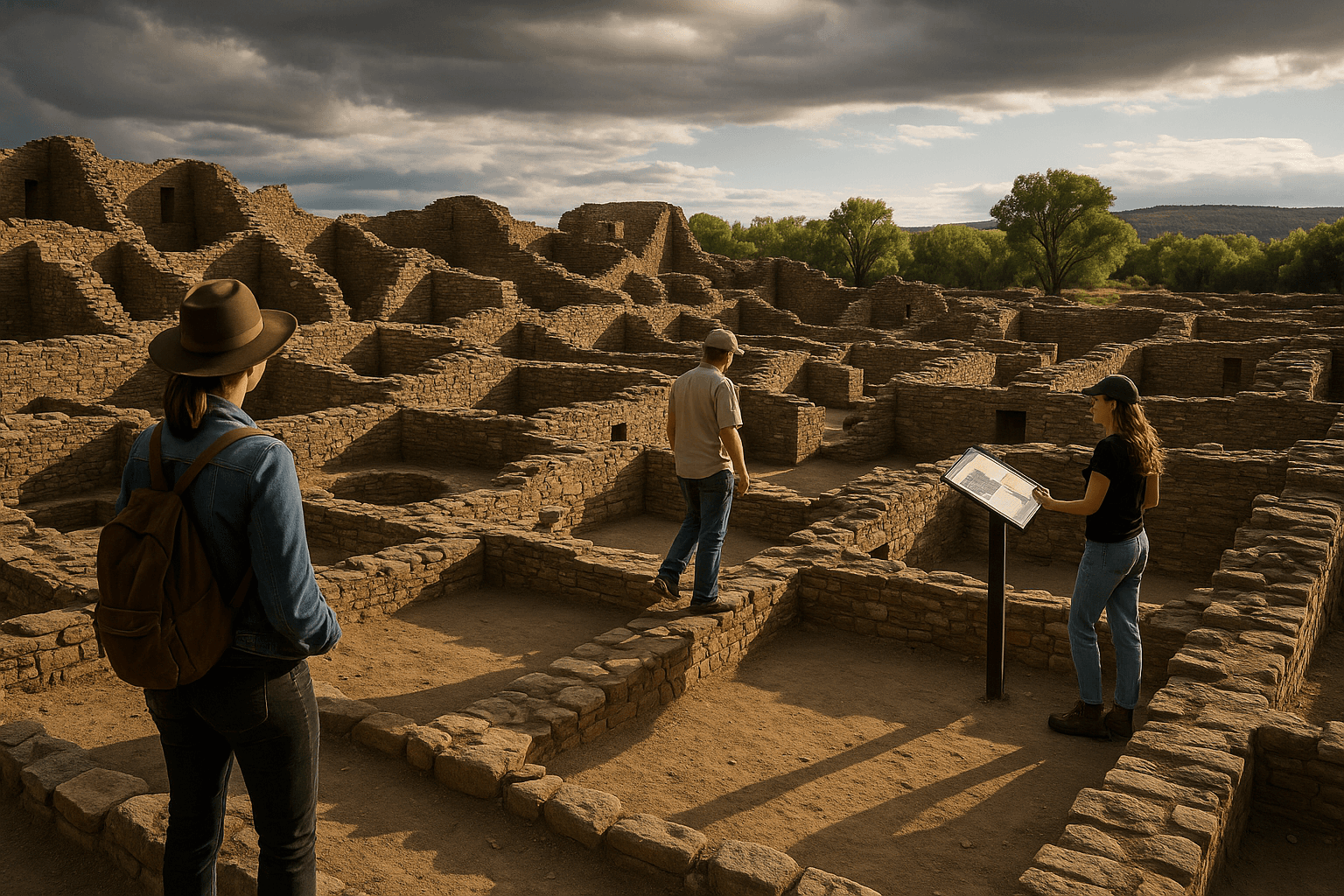
Looking ahead, Aztec Ruins illustrates a broader trend in rural economies where cultural tourism anchors diversification away from single industry reliance. Sustaining that trend will depend on careful visitor management, consistent funding for preservation and strategic promotion that channels tourism benefits into local businesses while protecting the monument’s archaeological integrity.
Sources:
Know something we missed? Have a correction or additional information?
Submit a Tip