Aztec Ruins National Monument fuels tourism, community health, and cultural connection
Aztec Ruins National Monument preserves ancestral Puebloan architecture from the 11th through 13th centuries and remains open to visitors year round near Aztec. Its role as a cultural anchor supports local businesses, provides outdoor and educational opportunities that affect community wellbeing, and raises equity considerations for access and tribal collaboration.

Aztec Ruins National Monument, managed by the National Park Service, preserves well preserved masonry structures, great kivas, and ceremonial rooms dating to the 11th through 13th centuries. The site, located just north of Aztec off U.S. 550 and Main Avenue, is accessible to visitors year round with hours and seasonal closures that vary. A visitor center offers exhibits, short interpretive trails and restrooms, and seasonal ranger led programs add interpretation for those who attend.
Visitors can take self guided walking tours of the East Ruin and West Ruin, attend ranger talks when scheduled, photograph the architecture and explore interpretive exhibits that explain Puebloan life and building practices. The National Park Service posts current information on accessibility, parking and any entrance fees and is the steward of the site and its educational programming.
For San Juan County the monument is more than an archaeological site. It draws regional and national visitors and acts as a cultural anchor supporting local hospitality businesses, from lodging to restaurants, and helping connect residents and visitors with the deep Indigenous history of the Four Corners region. Those economic linkages have public health implications because tourism revenue and visitor patterns influence local jobs, municipal budgets and the capacity of community services that undergird health, such as emergency response and transportation.
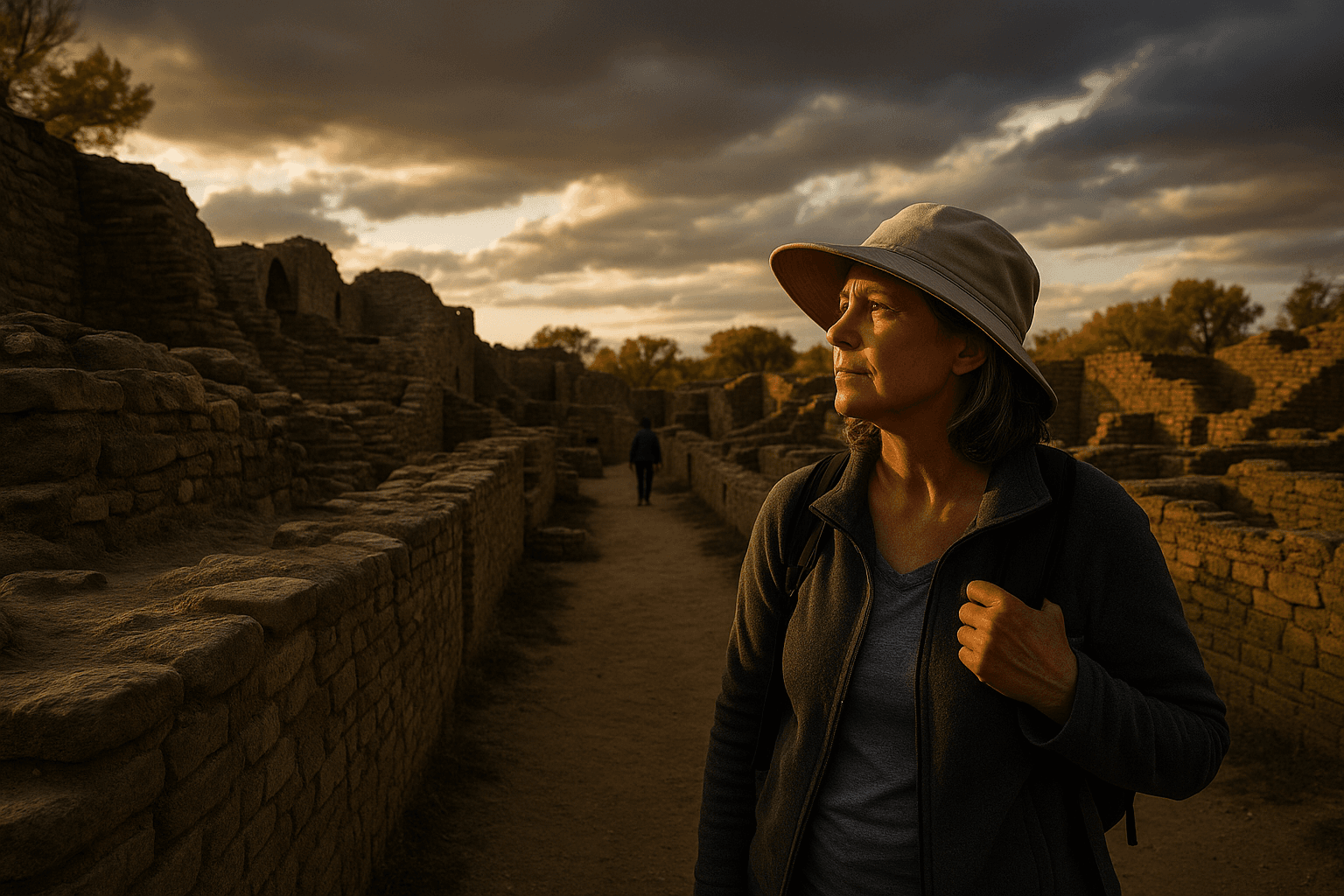
Outdoor cultural sites like Aztec Ruins also contribute to physical and mental wellbeing through access to open space, nature based learning and community events. Ensuring equitable access is essential, particularly for Indigenous communities whose ancestors built these structures and for people with mobility needs. The National Park Service note about accessibility underscores the need for clear information and ongoing partnership with tribal nations to center Indigenous perspectives in interpretation and programming.
Local policymakers and community organizations can view the monument as both an economic asset and a public health resource, one that requires investment in infrastructure, inclusive programming and collaboration with tribal partners. Residents and visitors should consult the National Park Service for up to date directions, hours and accessibility information before planning a visit.
Sources:
Know something we missed? Have a correction or additional information?
Submit a Tip