Baltimore Indoor Holiday Markets Guide, Where To Shop This Season
Baltimore’s indoor holiday markets and maker fairs are open through December, offering residents weather resilient options to shop local, enjoy family friendly programming, and support neighborhood artists. Knowing which venues host indoor vendors, museum admission rules, and practical tips for timing and bags matters for shoppers and for the small businesses that depend on seasonal sales.
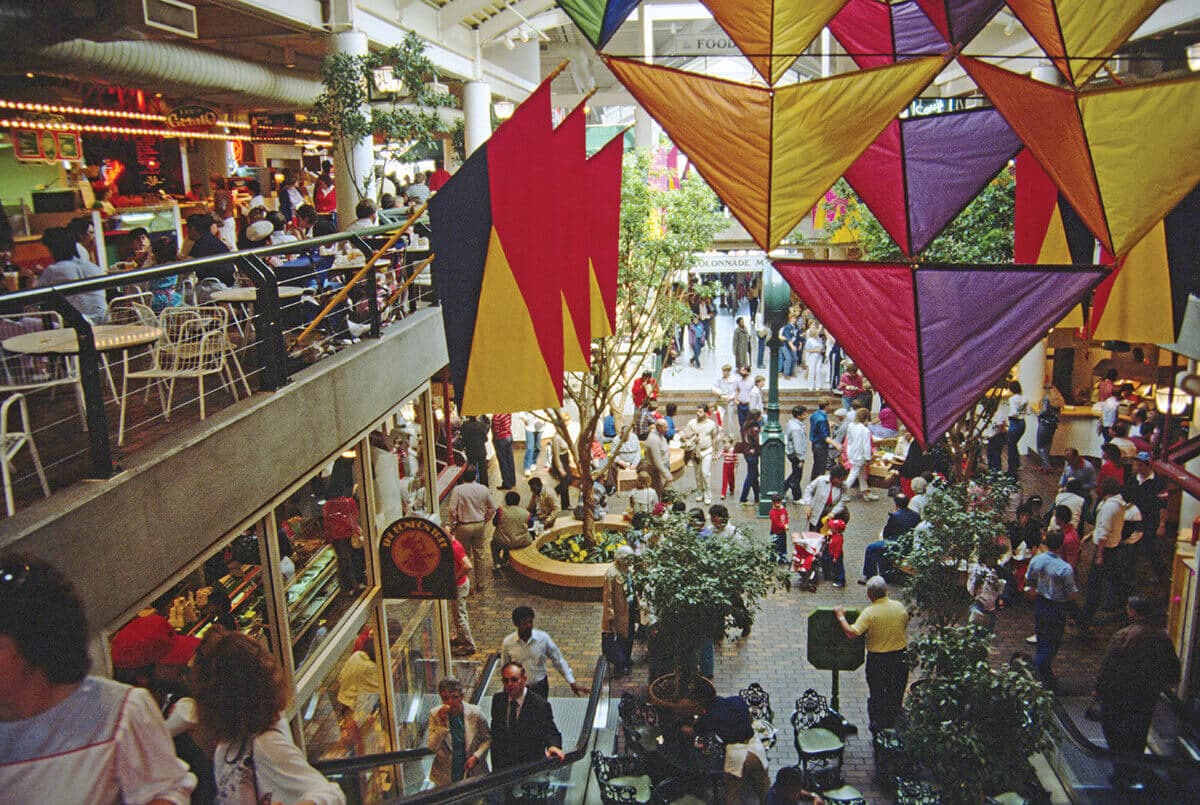
Baltimore’s annual indoor holiday markets and maker fairs provide a concentrated way for residents to buy local goods this season while avoiding inclement weather. Key venues that reliably operate through December include the Light Street Pavilion Holiday Makers Market at the Inner Harbor and West Shore Park, Station North and North Avenue holiday markets, Creative Alliance seasonal markets in Highlandtown, and holiday vendor events hosted by the Baltimore Museum of Industry and the American Visionary Art Museum. Local community centers and neighborhood tree lighting markets such as those in Fell’s Point and Metro Centre also assign indoor vendor space when weather makes outdoor setups impractical.
The Light Street Pavilion market typically features local artisans, food vendors, and family friendly hours aimed at broad public access. Station North and North Avenue markets concentrate small batch crafts and work by artists from the Station North and Charles Village neighborhoods, creating a focused neighborhood marketplace. Creative Alliance markets combine holiday themed crafts with small venue performances and late afternoon shopping hours, while museum markets pair themed vendor booths with museum admission events that can extend visitor stays and increase museum revenue during the season.
For shoppers the immediate impact is practical. Go early for the best selection, bring reusable bags because many markets charge for plastic bags, and check vendor lists in advance for high demand makers. Confirm whether a market is free to enter or requires a donation or ticket, and factor museum admission into your visit plans. These markets are a direct source of revenue for independent makers, and they concentrate foot traffic in transit accessible neighborhood hubs during a season that can make or break small business cash flow.
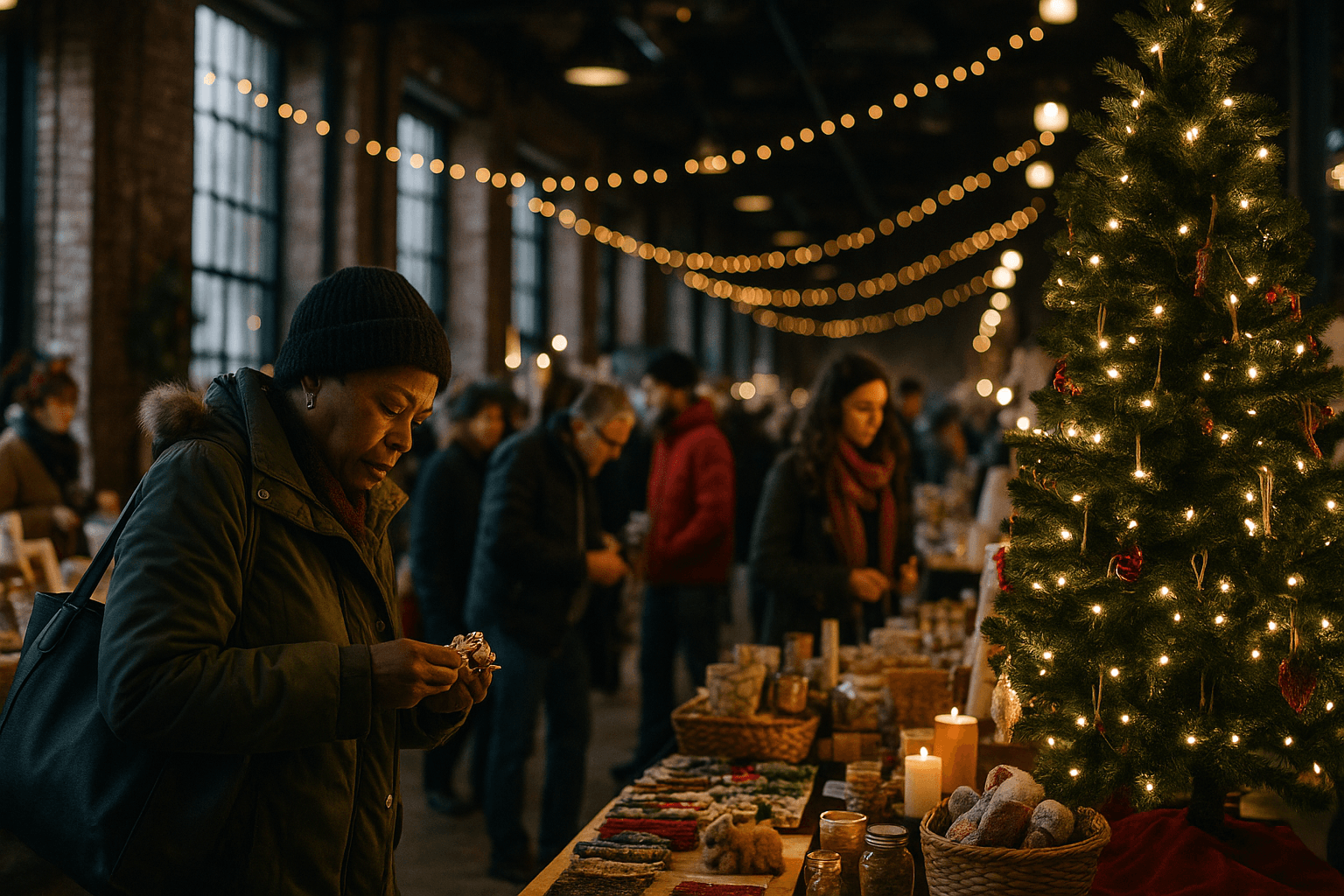
From a policy and institutional perspective, indoor markets illustrate municipal resilience planning for seasonal commerce. Providing indoor spaces through community centers and partnering with cultural institutions reduces weather related cancellations and supports equitable access to commerce across neighborhoods. Civic engagement around these markets is consequential because strong neighborhood commerce can increase community participation in public meetings about zoning, transportation, and event permitting. For residents, planning visits to indoor holiday markets means supporting Baltimore makers, conserving travel time in winter weather, and engaging with institutions that shape local economic life.
Know something we missed? Have a correction or additional information?
Submit a Tip