Baltimore Police Commissioner outlines 2026 priorities, seeks staffing and legal changes
Baltimore Police Commissioner Richard Worley presented a public wish list for 2026 on December 2, 2025, reviewing gains in 2025 while pressing for changes to staffing, discipline processes, juvenile justice, and patrol operations. His proposals matter to residents because they could reshape patrol coverage, officer accountability, and how repeat youth offenders are handled across the city.

On December 2 Commissioner Richard Worley reviewed Baltimore Police Department progress in 2025 and laid out priorities he wants implemented in 2026. He highlighted what he described as continuing success with the Mayor's crime deterrence model, citing a roughly 70 percent clearance rate for crimes and a homicide count of 127 at this point in the year. He said, "we have a chance to beat" historical lows, and he pointed to concentrated enforcement in hot spots as a key driver of recent declines in specific crime categories.
Worley pressed for operational changes aimed at stabilizing staffing and reducing costs tied to overtime. Chief among his requests was a move to 12 hour shifts, a change he said would require increased staffing but would give officers more consistent days on and off while reducing overtime expenditures. The department is currently down roughly 500 officers, a staffing gap that the commissioner argued limits options for patrol patterns and citywide coverage.
Accountability and internal discipline were central to Worley’s agenda. He called attention to a backlog of disciplinary cases that has grown when officers request trial boards and cases sit idle for long periods. To address this, he voiced support for a change in state law to expedite internal resolutions of complaints against officers. That proposal raises immediate questions about the balance between faster case closure and the transparency and due process that disciplinary processes must protect.
Worley also urged changes to state law aimed at repeat juvenile offenders, describing groups that move among carjackings, burglaries and other crimes and arguing that current statutes do not provide meaningful consequences for repeat young offenders. He linked those recommendations to public safety outcomes and to the broader strategy of keeping hot spot enforcement in place.
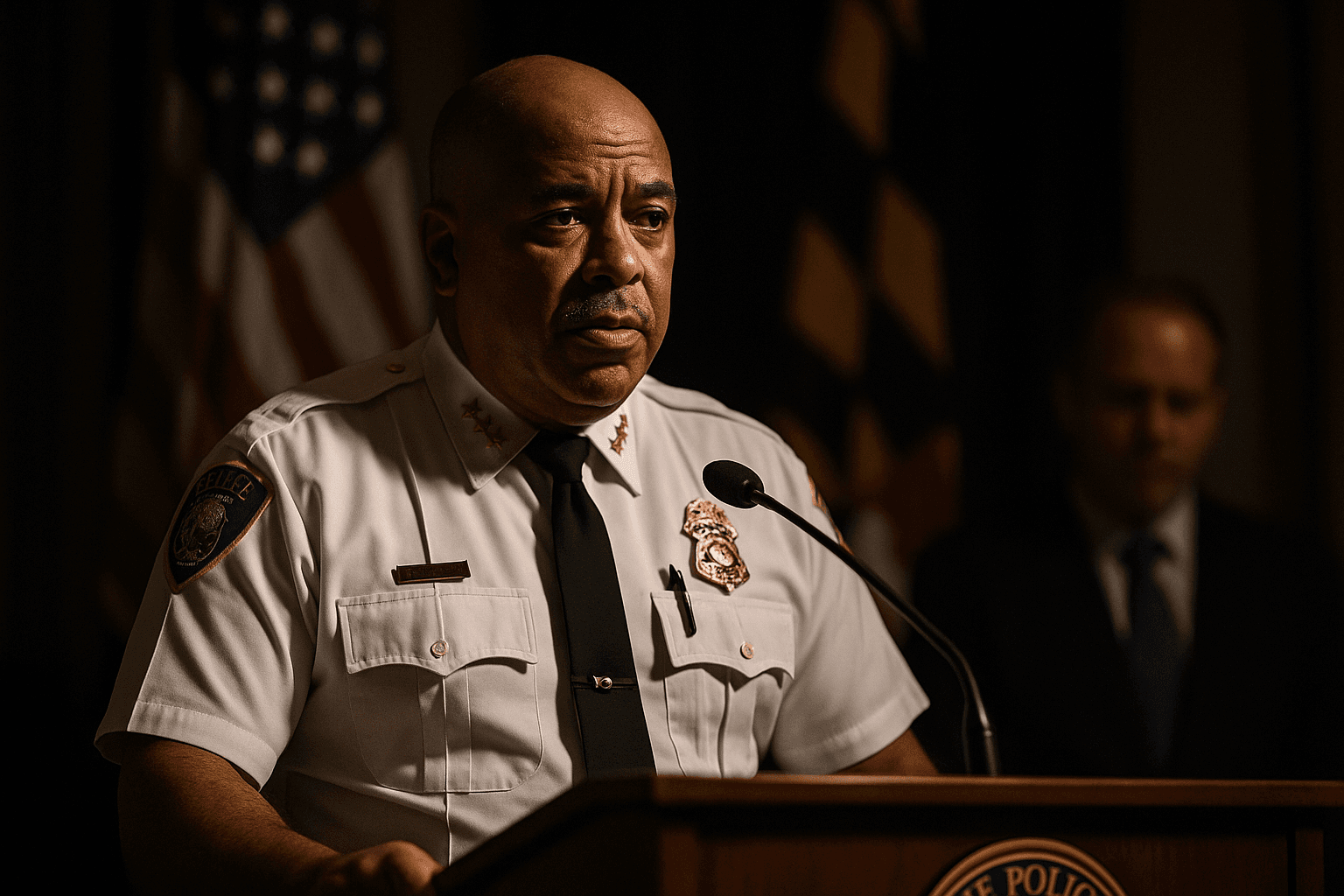
The commissioner said the enforcement surge in targeted areas, which includes Maryland State Police, will continue indefinitely, and he cited steep reductions such as an 85 percent drop in burglaries in those areas as evidence the strategy is working. He emphasized the need for continued community cooperation with reporting and investigations.
For Baltimore residents the proposals signal potential shifts in daily police operations, faster resolution of complaints, and legislative fights at the state level over juvenile justice and internal discipline. City and state lawmakers will now confront decisions on resources, legal reform, and oversight that will shape policing and public safety in Baltimore in 2026.