Baltimore Tests Reservoirs for Cryptosporidium and Giardia, Advises Precautions
The Baltimore City Department of Public Works is conducting ongoing testing for Cryptosporidium and Giardia at the city finished water reservoirs, including Druid Lake and Ashburton, and posts weekly test results to keep residents informed. The monitoring is intended to protect public health, and people with severely weakened immune systems are urged to use bottled or boiled water or certified filters as a precaution.
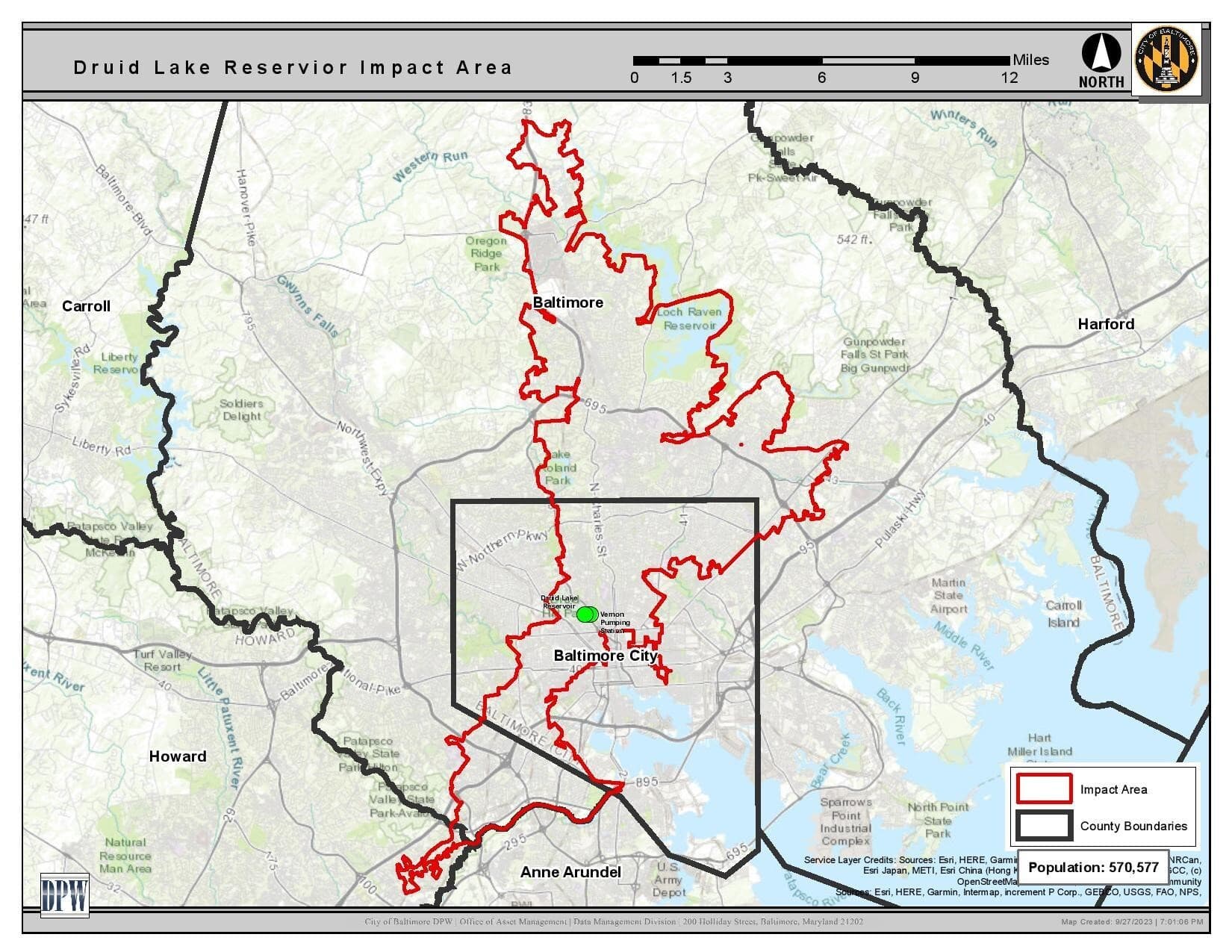
The Baltimore City Department of Public Works is carrying out ongoing sampling and monitoring of finished water reservoirs, including Druid Lake and Ashburton, to detect Cryptosporidium and Giardia. The agency posts weekly test results for the reservoirs and describes its sampling schedule and monitoring approach on its public information page. The effort is part of routine water safety work and the city is also moving to cover remaining finished reservoirs that are not yet enclosed.
Cryptosporidium and Giardia are intestinal parasites that can cause gastrointestinal illness. In people with severely weakened immune systems the infections can be more severe and require special precautions. The Department of Public Works advises that people with severely weakened immune systems use bottled or boiled water or an ANSI slash NSF 53 or 58 certified filter or a filter rated to one micron for drinking and food preparation.
The weekly posting of results and the described sampling schedule are intended to provide transparency and timely information so residents and health providers can assess exposure risk. For most healthy people municipal water that meets testing standards remains safe to drink, but the presence of these organisms in finished reservoirs underscores the need for continued vigilance, infrastructure investment, and clear guidance for vulnerable residents.

Public health implications extend beyond individual precautions. Covering uncovered finished reservoirs reduces the chance of contamination from wildlife or airborne sources, and sustained monitoring helps detect problems early. For Baltimore neighborhoods where chronic illness, limited mobility, or financial constraints are more common, access to safe alternatives such as bottled water or certified filters may be more difficult, highlighting equity issues in water safety and the need for targeted support from city and health agencies.
Healthcare providers and community organizations serving immunocompromised residents will be key partners in communicating risks and helping patients adopt recommended protections. The Department of Public Works publication serves as both a status update on monitoring and an operational resource, and residents are encouraged to review the weekly results and follow the specified precautions if they or household members have severely weakened immune systems.