Baltimore Youth Detention Facility Endured Weeks of Heating Failures
Advocates and public defenders say the Youth Detention Facility in Baltimore City experienced heating failures beginning around Thanksgiving, leaving detained teens in cold housing units and in the gym for several weeks. The conditions underscore long standing concerns about maintenance, overcrowding, and mental health services that affect the safety and rehabilitation of local youth.
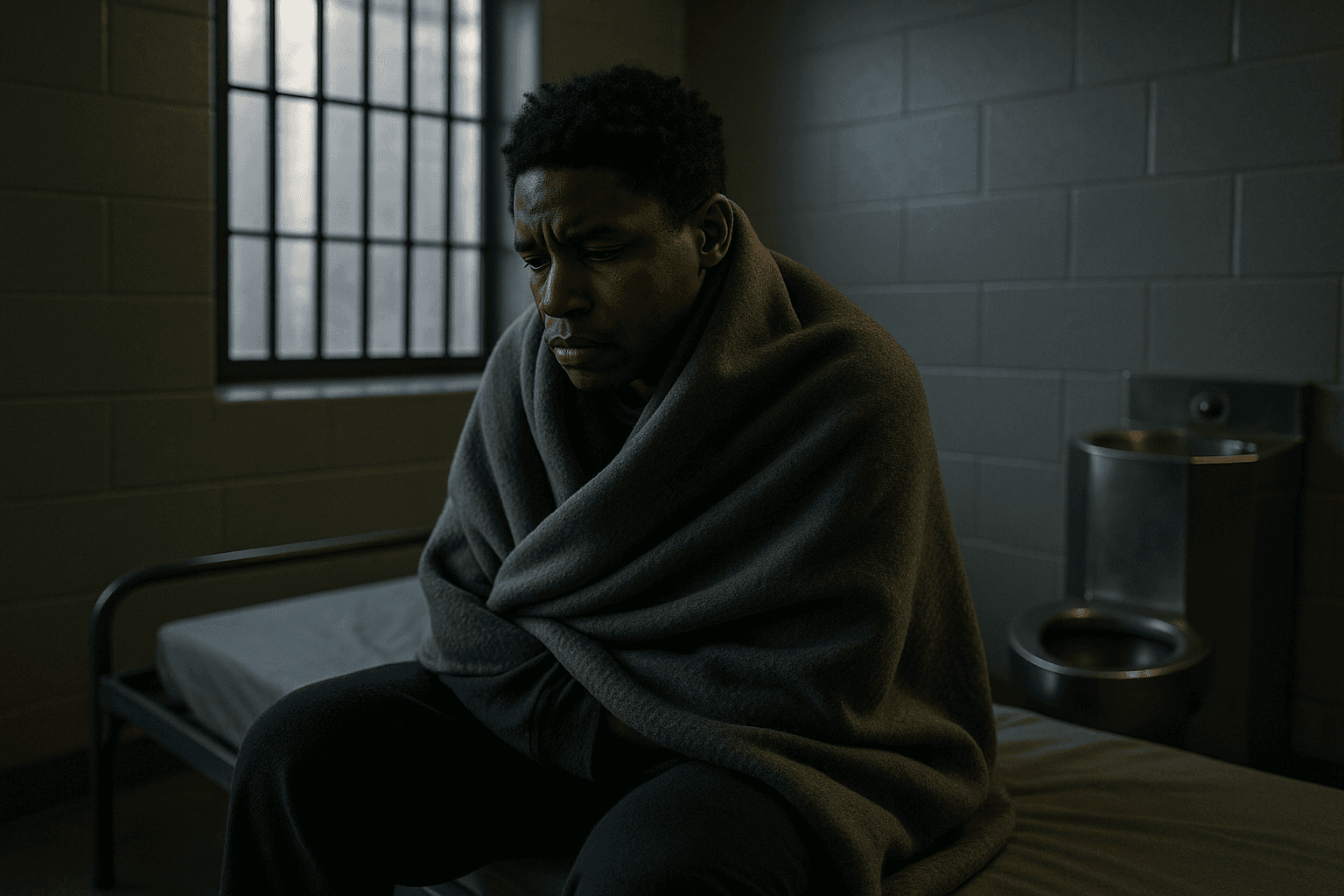
Public defenders and youth justice advocates reported that several housing units at the Baltimore City Youth Detention Facility lost reliable heat beginning around Thanksgiving, and that the problem persisted for weeks. They said the male housing unit and the facility gymnasium were most affected, with young people initially given only thin hospital blankets before temporary space heaters and industrial electric heaters were deployed.
Advocates described conditions as unacceptable and criticized what they called a slow state response. Maryland public defender leadership and youth justice groups pushed for rapid repairs and accountability, saying the incident reflects deeper, systemic problems in state juvenile facilities. Officials from the State Department of Public Safety and Correctional Services said temperatures were being addressed, that heaters had been brought in, and that repairs were underway.
The failure in basic climate control has immediate implications for the health and safety of detained youth, many of whom already face mental health challenges and limited recreational opportunities. Cold conditions can worsen respiratory and circulatory problems, increase stress and agitation, and undermine efforts by staff and clinicians to provide rehabilitative services. Family members and defense attorneys said access to safe, stable conditions is essential to legal representation and to any plan for education or treatment while youth are in custody.
The episode feeds into a broader debate over funding and policy for juvenile justice in Maryland. Advocates cited chronic overcrowding, inadequate maintenance, and the routine practice of automatically charging some youths as adults as factors that leave facilities ill suited to rehabilitation. Local lawmakers joined calls for the governor's office and state agencies to take responsibility and to pursue policy and funding changes to address the systemic shortfalls exposed by the heating failures.
For Baltimore City residents, the incident raises questions about oversight, the treatment of young people in custody, and how state decisions about charging and resource allocation ripple into local communities. Advocates say long term solutions will require investments in facility upkeep, mental health and recreational services, and reform of charging practices that place youths in settings designed for detention rather than rehabilitation.
Sources:
Know something we missed? Have a correction or additional information?
Submit a Tip