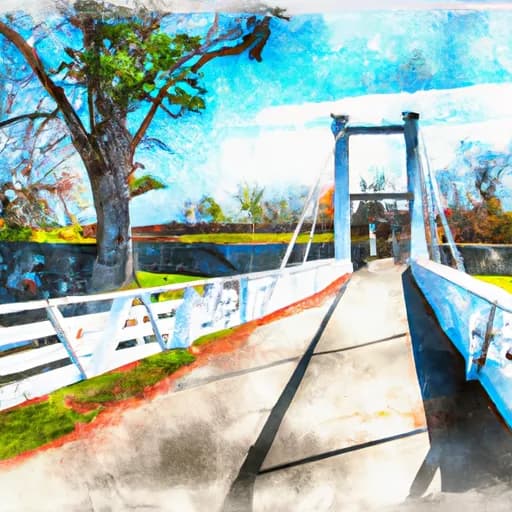
Bamberg County National Register Sites Anchor Preservation and Community Renewal
Several Bamberg County properties and the Bamberg Historic District are listed on the National Register of Historic Places, recognizing late nineteenth and early twentieth century commercial, religious and residential architecture downtown and around the county. These listings support preservation and downtown revitalization, help attract heritage tourism, and can unlock preservation incentives that matter for local planning, economic opportunity, and community wellbeing.

The Bamberg Historic District and multiple individual properties across Bamberg County are listed on the National Register of Historic Places, a designation that affirms the architectural and historical value of downtown Bamberg and nearby sites. The district covers portions of the downtown area along Railroad Ave., 2nd, Midway, Elm, Cannon, N. Carlisle, Church Streets and others, and includes commercial blocks, churches and residences that date to the late nineteenth and early twentieth centuries. County landmarks on the register include the Gen. Francis Marion Bamberg House, the Cal Smoak Site, Woodlands which is recognized as a National Historic Landmark near Midway, and Rivers Bridge State Historic Site.
For local residents the designation matters in concrete ways. National Register listings often become focal points for downtown revitalization projects, they support heritage tourism that brings visitors to local shops and restaurants, and they establish eligibility for preservation incentives that can reduce costs for rehabilitating historic properties. Those incentives and planning tools can stimulate job creation, support small businesses, and strengthen the built environment in ways that affect public health by improving walkability, housing conditions, and community cohesion.
At the same time, historic preservation raises questions of equity and access. Benefits from tourism and rehabilitation can be uneven unless local planning intentionally includes affordable housing, supports long time residents and small business owners, and prevents displacement. Community stakeholders including local government, preservation groups and residents will need to coordinate to ensure that investment in historic assets translates into shared economic and social gains.
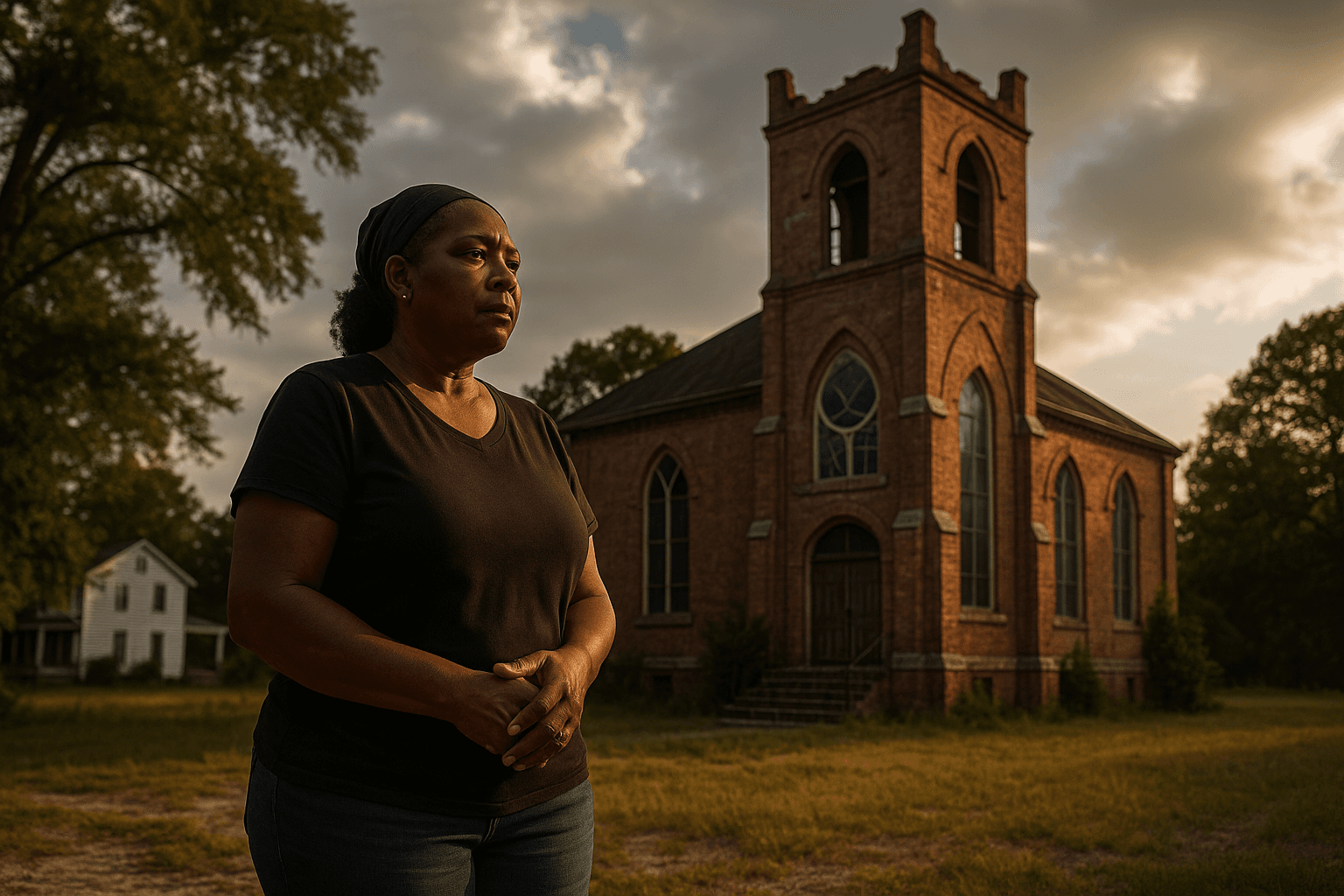
Visitors should be aware that many National Register properties are privately owned, respect private property and confirm access before visiting. Publicly accessible resources include the downtown historic district, certain public buildings and the Woodlands plantation site which may require appointments for tours. The South Carolina Department of Archives and History maintains the official nomination documents and descriptions for each listed property, and those records can serve as authoritative references for residents, planners and researchers working to preserve Bamberg County heritage while advancing community wellbeing.