Barrow Whalers fall in overtime at Alaska Prep Shootout final
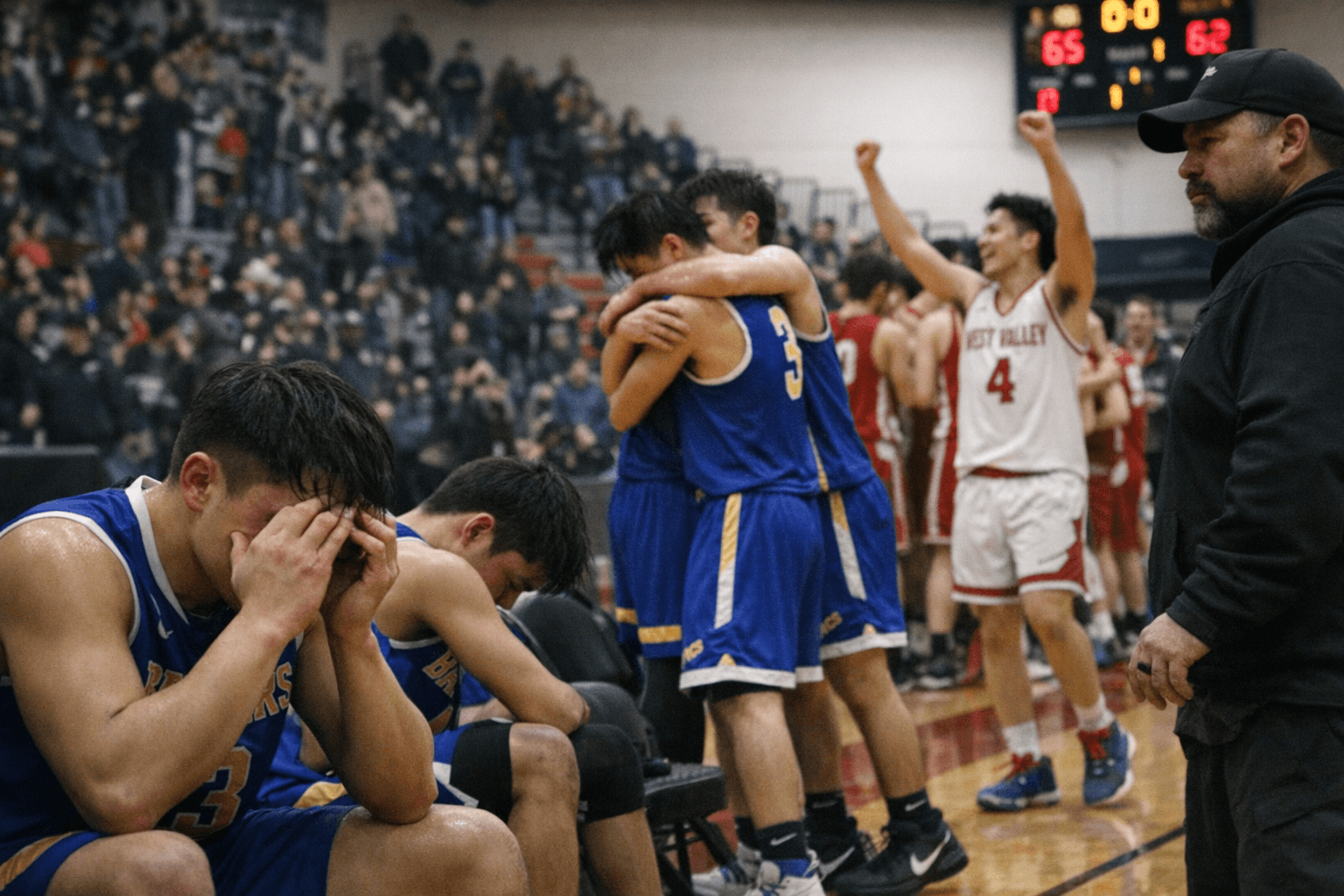
Barrow High School's Whalers lost 65-62 in overtime to West Valley, highlighting team pride and the strains remote communities face for travel, health, and resources.

The Barrow Whalers traveled south to Anchorage and reached the Alaska Prep Shootout title game on Jan. 10, pushing a tough West Valley squad to overtime before falling 65-62. The loss came after a hard-fought comeback by West Valley, whose junior guard Jayden Miranda poured in a game-high 27 points, including five 3-pointers, and was named tournament MVP and to the All-Tournament team.
Barrow’s run to the final continues a strong season for the Whalers and brought welcome attention to Utqiagvik athletics. The game underscored how competitive North Slope Borough teams can be when given chances to play on bigger stages. At the same time, it also highlighted structural challenges for remote schools: long flights, extreme weather windows, and limited access to year-round training and sports medicine that Anchorage programs more routinely enjoy.
Players from the North Slope make long trips to compete, often flying overnight and adjusting quickly to time changes and unfamiliar facilities. Those logistical strains carry public health implications. Travel fatigue, disrupted sleep, and delayed access to athletic trainers increase injury risk; remote teams frequently lack immediate on-site sports medicine and rely on volunteer coaches and short-term funding for travel. Mental health also matters—young athletes handle the emotional swings of a championship run and a narrow loss with fewer local resources for counseling or recovery.
This gap is a health equity issue as much as an athletic one. When remote schools can’t sustain consistent strength and conditioning programs, have limited access to physical therapy, or depend on occasional outreach from mainland specialists, athletes face a higher burden of preventable injury and less opportunity for long-term development. Investments that bolster youth safety and opportunity would have ripple effects: better injury prevention, improved academic outcomes tied to stable athletic participation, and stronger community connections.
Policy responses could include funding for dedicated athletic trainers on rotation through rural regions, telehealth partnerships focused on sports medicine, and stable travel grants that reduce the financial strain on families and district budgets. Strengthening relationships between university programs and North Slope schools for coaching clinics and virtual training sessions can help narrow the gap without requiring year-round travel.
The Whalers gave Utqiagvik something to rally around—proof that small, remote communities can compete when doors open. Our two cents? Celebrate the run, check in on the kids after the loss, and push local leaders to fund the health and travel supports that let North Slope athletes play hard and come home healthy.
Sources:
Know something we missed? Have a correction or additional information?
Submit a Tip
%3Aquality(70)%2Fcloudfront-us-east-1.images.arcpublishing.com%2Fadn%2FFID3QYQVCFEGXKQGKKY7JP3YVI.jpg&w=1920&q=75)
