BBB Warns Holmes County Residents About Deepfake Weight-Loss Scams
The Better Business Bureau issued a consumer advisory on Jan. 9, 2026 warning that deepfake-style videos and deceptive social-media marketing are being used to sell weight-loss supplements, including a product linked to reports called LipoMax. The alert matters for Holmes County shoppers because victims have reported losing money, receiving ineffective products, or failing to obtain refunds, and the advisory offers practical steps to reduce risk when buying supplements online.
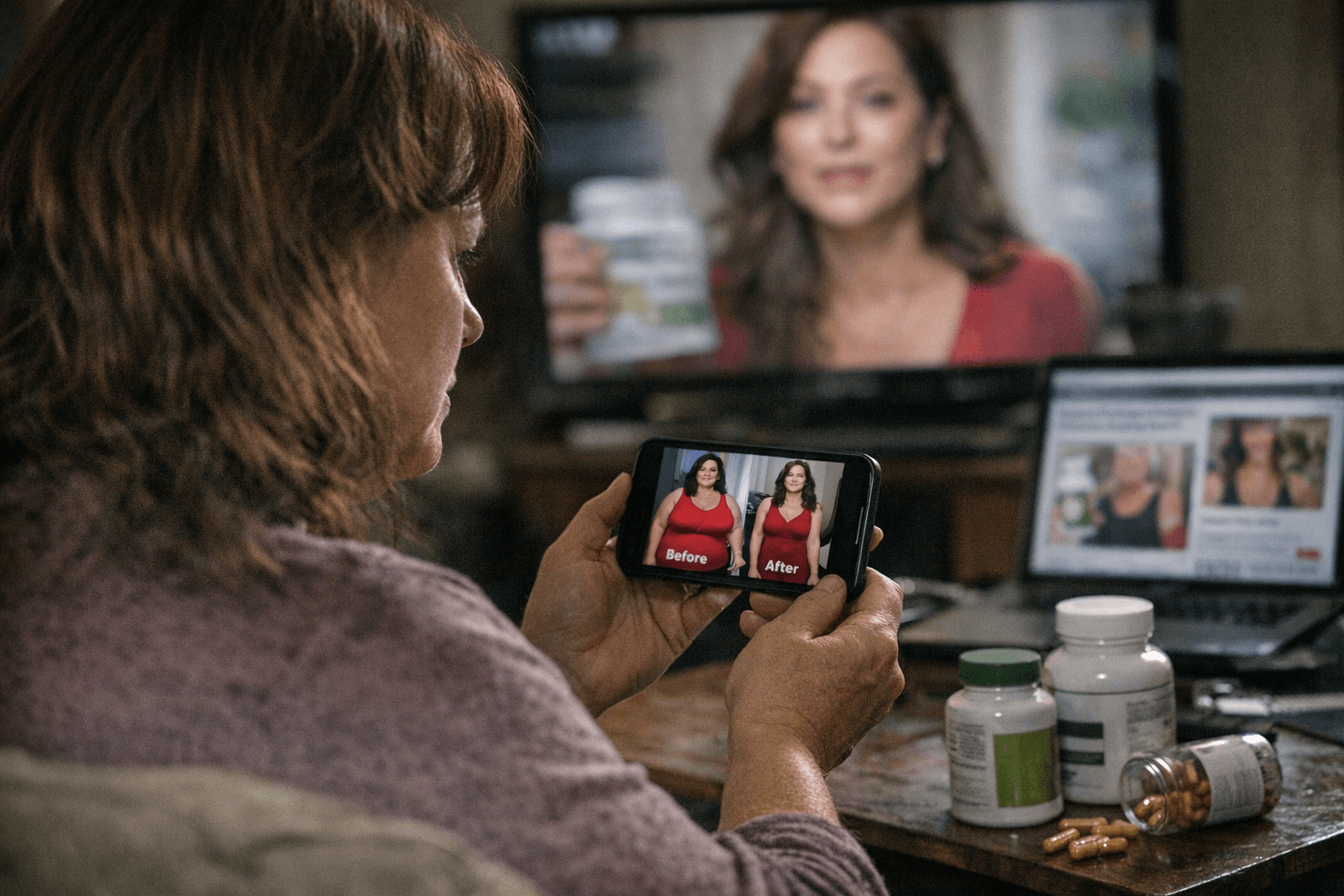
The Better Business Bureau issued a local consumer advisory on Jan. 9, 2026 warning that fraudsters are using deepfake-style videos, fake celebrity endorsements and bogus physician testimonials to promote weight-loss supplements on social media. The advisory singled out reports tied to a product called LipoMax and said consumers have reported monetary losses, ineffective or counterfeit products, and difficulty obtaining refunds.
The advisory arrives as more local shoppers turn to online platforms for health and wellness purchases. Fraudsters exploit the visual authority of videos and the social proof of endorsements to create the appearance of legitimacy. For Holmes County residents, the immediate risk is financial loss and the potential health risk of taking unverified supplements that may not contain advertised ingredients.
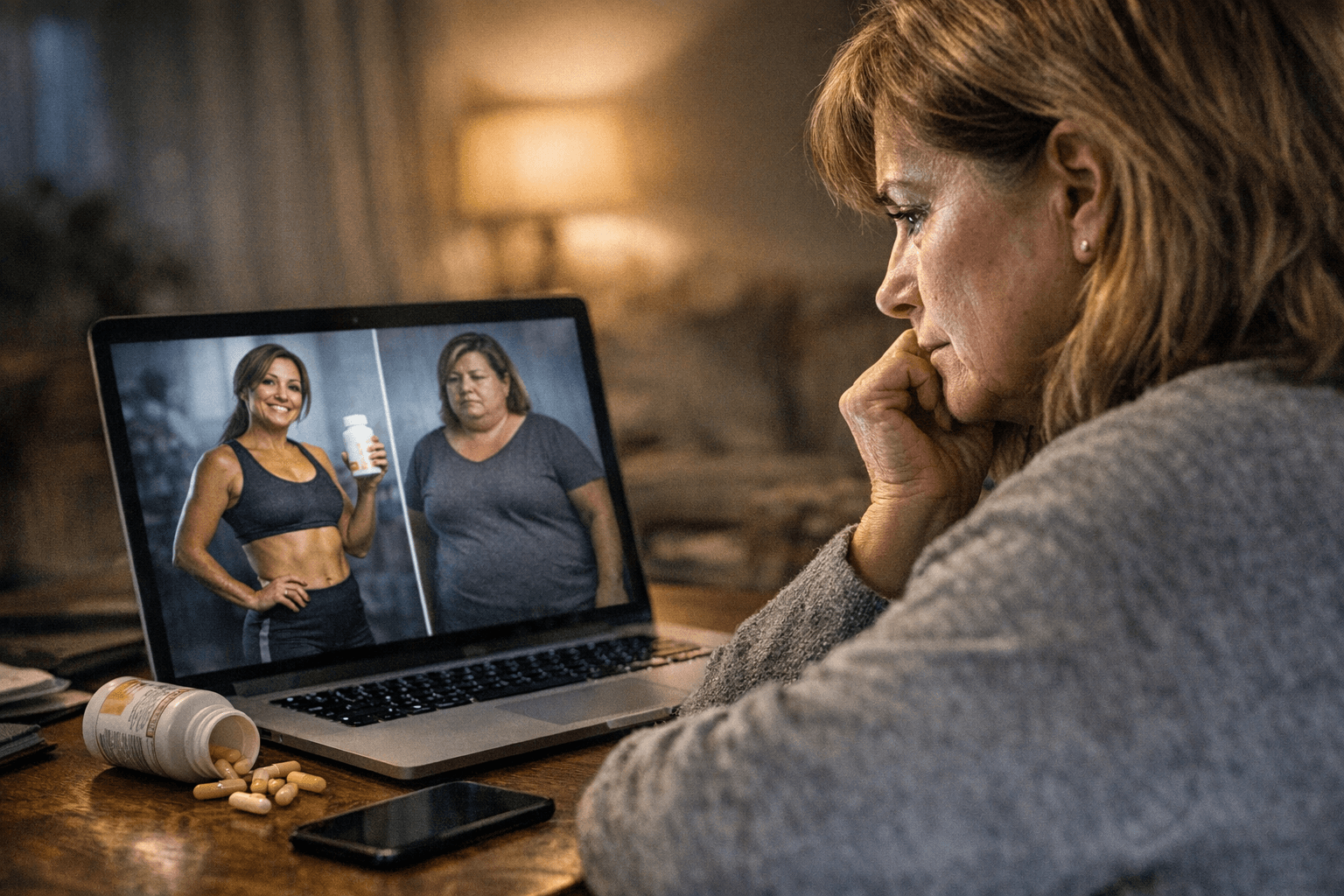
The BBB outlined concrete consumer-protection steps for evaluating supplements and online offers. It advised researching sellers to confirm business contact information and return policies, avoiding pressure sales tactics that push immediate purchases, checking for verified reviews rather than paid or manipulated testimonials, and using secure payment methods. Consumers who pay with credit cards retain greater fraud protections than those who use wire transfers or prepaid payment options.
The market implications extend beyond individual losses. Deepfake and deceptive marketing can erode trust in legitimate local retailers and independent supplement makers who rely on honest reviews and transparent labeling. For local pharmacies and health stores that compete with online sellers, increased scam activity can shift consumer behavior and raise compliance costs as businesses are forced to emphasize authenticity and third-party testing.
Policy and enforcement challenges complicate the response. Synthetic media can be produced and distributed rapidly, while cross-jurisdictional sellers may operate outside easy reach of local regulators. That raises the importance of consumer vigilance and coordinated reporting. Residents who suspect they have been scammed should document communications, save receipts or screenshots, and report incidents to the BBB and local law enforcement to aid investigations and potential civil remedies.
For Holmes County shoppers, the advisory is both a warning and a reminder: do not rely solely on flashy videos or celebrity-style endorsements when evaluating health products. Careful verification of sellers, secure payment choices, and scrutiny of reviews will reduce the chance of losing money or receiving ineffective products.
Sources:
Know something we missed? Have a correction or additional information?
Submit a Tip