Beachcombing Report Highlights Lugworms, Low Tide Signs and Stewardship
A recent Beachcombing Report described how to spot lugworms on local mudflats, explaining the telltale spirals of mud and the distinctive egg masses that appear at low tide. The piece matters for Jim Wells County residents because it connects simple observations to bay ecosystem health, offers seasonal guidance for families, and encourages respectful, low impact beachcombing.
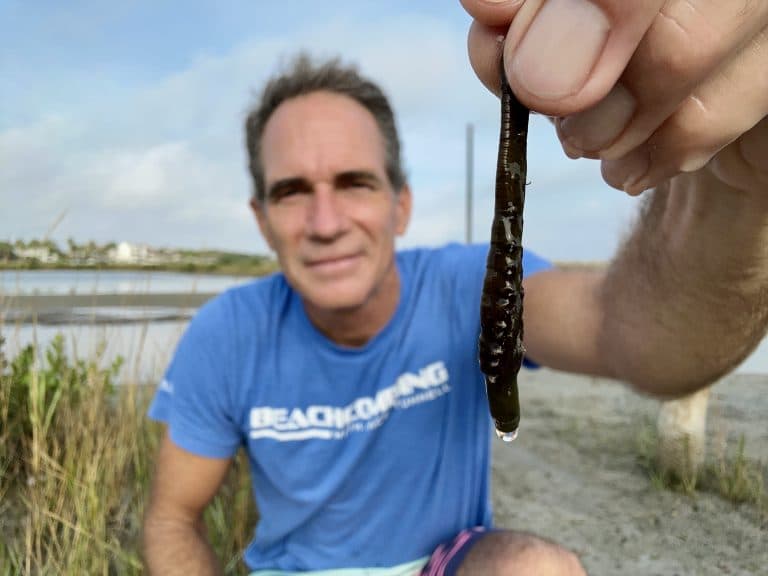
A Beachcombing Report published this week laid out practical guidance for identifying lugworm activity along the county bay and mudflat shores, emphasizing spirals of cast mud and pale egg masses that become visible at low tide. The report explained where to look, why lugworms matter to the bay ecosystem, and seasonal considerations for beachgoers and local families seeking outdoor education opportunities.
Lugworms are a visible part of the intertidal habitat. Their casts, the spiral mounds of churned sediment, mark areas where the worms process organic material and aerate the seafloor. The report noted that these behaviors help cycle nutrients and sustain prey populations for shorebirds and fish, positioning lugworms as an integral component of the local food web. For residents, recognizing these signs offers a low barrier entry into hands on natural history and builds community awareness of coastal processes.
The piece provided seasonal notes for observers, indicating that low tide exposures are the best time to find lugworm signatures and that visibility can vary by season and weather. It encouraged families and educators to use beachcombing as an outdoor classroom, recommending observation and photography rather than handling or disturbing animals and their egg masses. The focus on low impact practices aims to protect sensitive habitat while allowing informal recreation and learning.

Local impacts are practical. Increased awareness can strengthen stewardship that supports birding and small scale ecotourism, while reducing accidental disturbance that can harm shoreline productivity. For school groups and community programs, the report offers a straightforward way to link local field trips to broader ecological concepts without special equipment. At the municipal level, promoting respectful beach use can limit the need for costly habitat repairs and help preserve the natural assets that contribute to quality of life and modest tourism interest.
Photos and full details accompany the report online for those who want to learn more, and the guidance is immediately usable for families planning a low tide outing this season.
Sources:
Know something we missed? Have a correction or additional information?
Submit a Tip