Beef cycle turns, fed cattle prices expected to ease in 2026
At the Oregon Cattlemen’s Association convention in Pendleton on December 5, a CattleFax analyst told ranchers that the U.S. beef cycle has begun to turn after record fed cattle prices, and forecast only a modest softening in 2026 with fed cattle prices projected in the low $200s per hundredweight. That outlook matters for Baker County producers because national herd inventories remain low, retail demand has stayed strong, and herd rebuilding will be gradual, which will shape income, herd decisions, and local markets.
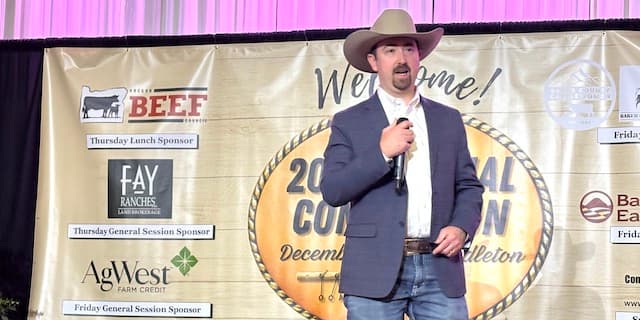
A CattleFax analyst speaking to attendees at the Oregon Cattlemen’s Association convention in Pendleton on December 5 reported that the U.S. beef cycle has started to reverse following record fed cattle prices seen earlier in the year. The analyst said prices likely peaked in the fall, but cautioned that any decline in 2026 would be modest, with projected fed cattle prices in the low $200s per hundredweight. Those projections reflect a mix of persistent retail demand, constrained national herd inventories, heavier slaughter weights than in past years, and recent policy and tariff changes that amplified price swings.
For Baker County ranchers the immediate significance is practical. Low national herd numbers mean supply remains thin even as consumers continue to buy beef at historically high retail levels. Heavier slaughter weights have partially offset fewer head of cattle by delivering more pounds of beef per animal to processors, which helped stabilize wholesale and retail markets this year. Policy shifts and tariff adjustments have periodically increased export and domestic demand, contributing to the price spikes ranchers saw.
Herd rebuilding will be a central management question locally. The analyst emphasized that rebuilding is likely to be gradual, which implies that significant increases in cattle numbers are unlikely to arrive in a single season. Producers face a classic trade off. Selling breeding stock or feeders now captures strong prices, while retaining heifers and rebuilding cow herds can support longer term production and revenue stability. Those choices will affect cash flow, working capital needs, and demand for local services such as feed, hauling, and veterinary care.
Market implications extend to local auction barns and feedlots where price signals influence lot composition and timing of sales. A modest softening in 2026 does not equate to a collapse in returns, but it does shift strategy from chasing peak prices to managing margins and replacement rates. Ranchers should factor in the time it takes to rebuild breeding herds and the potential for continued elevated retail demand to keep wholesale prices higher than historical averages.
Looking beyond next year, the combination of low inventories and gradual herd recovery suggests elevated price regimes may persist until herd sizes more fully normalize. Producers in Baker County will need to weigh near term revenue opportunities against longer term herd goals, and monitor market and policy developments that can quickly alter demand patterns.