Beginner's roadmap to pickleball: where to start and practice
New players get a practical primer on finding beginner play, basic gear, and drills to build the soft game safely and socially.
.jpg%3Fwidth%3D1320%26height%3D528%26optimizer%3Dimage&w=1920&q=75)
If you’re new to pickleball, the first step is less about winning points and more about finding friendly courts and building a reliable soft game. Start local: neighborhood parks, YMCAs, and community centers are where most beginners find low-pressure play, drop-in social sessions, and novice clinics. Call the rec desk or check community boards and social media for sessions labeled beginner, social, or open play.
Focus your early hours on grip, stance, and a consistent underhand serve. Those fundamentals keep rallies alive and make learning dinks and volleys far less frustrating. Prioritize the soft game—dinks, volleys, and the third-shot drop—because mastering those shots pays the biggest dividends in close matches and doubles court positioning. Spend practice time on short, controlled exchanges at the kitchen line; that’s where matches live and where court sense develops fastest.
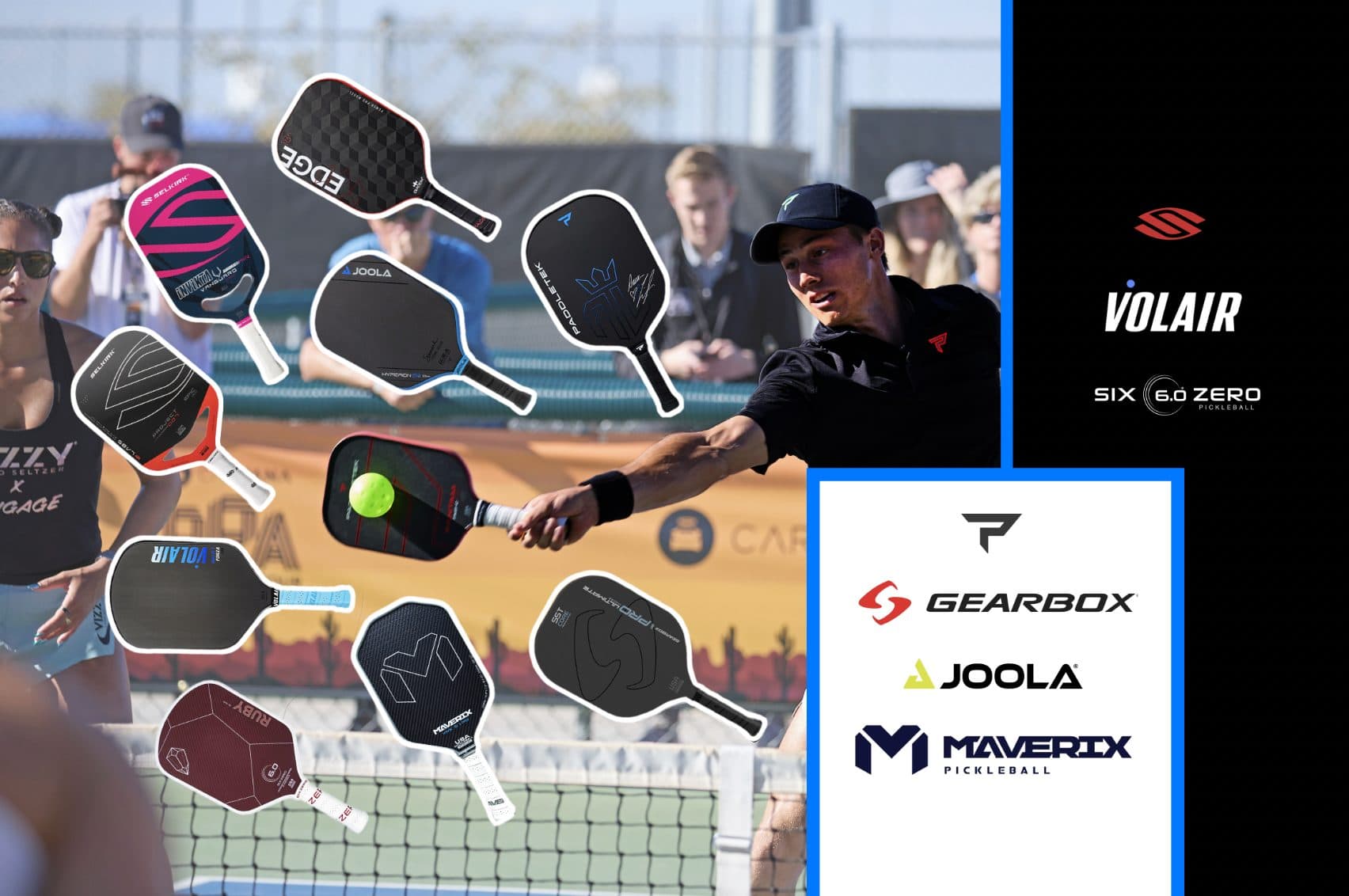
Gear doesn’t need to be exotic. Choose a starter paddle that feels comfortable in your hand and a pair of proper court shoes with lateral support to protect knees and ankles. Avoid bringing a running shoe to the court; grip and lateral stability matter more for quick starts, stops, and side steps. If you feel the itch for upgrades, go ahead—GAS is real—but get comfortable with the game before investing heavily.
Safety and etiquette keep communities welcoming. Warm up before play—light jogging, dynamic stretches, and a few easy volleys loosen shoulders and hips. Consider protective eyewear if you frequently play close to the net. Ask veteran players for simple routines; most will share tips and help you stay safe while improving.

For consistent improvement, join low-pressure beginner clinics or social meetups where coaches or experienced players break down repetition-based drills. Practice sessions that emphasize controlled third-shot drops and dink exchanges will accelerate court awareness. Look for entry-level tournaments labeled novice or 3.0 and under if you want a taste of competition without the pressure; these events are also great for meeting doubles partners and expanding your local network.
The community angle matters: pickleball thrives on friendly courts, shared tips, and players handing over paddles for a quick demo. Ask for help at sessions, arrive early to warm up, and exchange contact info with potential partners to build steady practice partners.
Our two cents? Keep it social, stick to the soft game, and protect your body. Start with beginner play at parks or YMCAs, practice dinks and third-shot drops, and pick gear that feels right rather than flashy—your confidence and consistency will be the real equipment upgrade.
Sources:
Know something we missed? Have a correction or additional information?
Submit a Tip