Beltrami Historical Society Preserves Bemidji Sports Film Footage
The Beltrami County Historical Society began a project to preserve and digitize vintage sports film footage from the Bemidji area on December 12, 2025, aiming to protect fragile materials and expand public access. The work matters to local residents because the footage documents community life, supports new exhibits and programming, and helps maintain a shared cultural record for schools, families, and visitors.
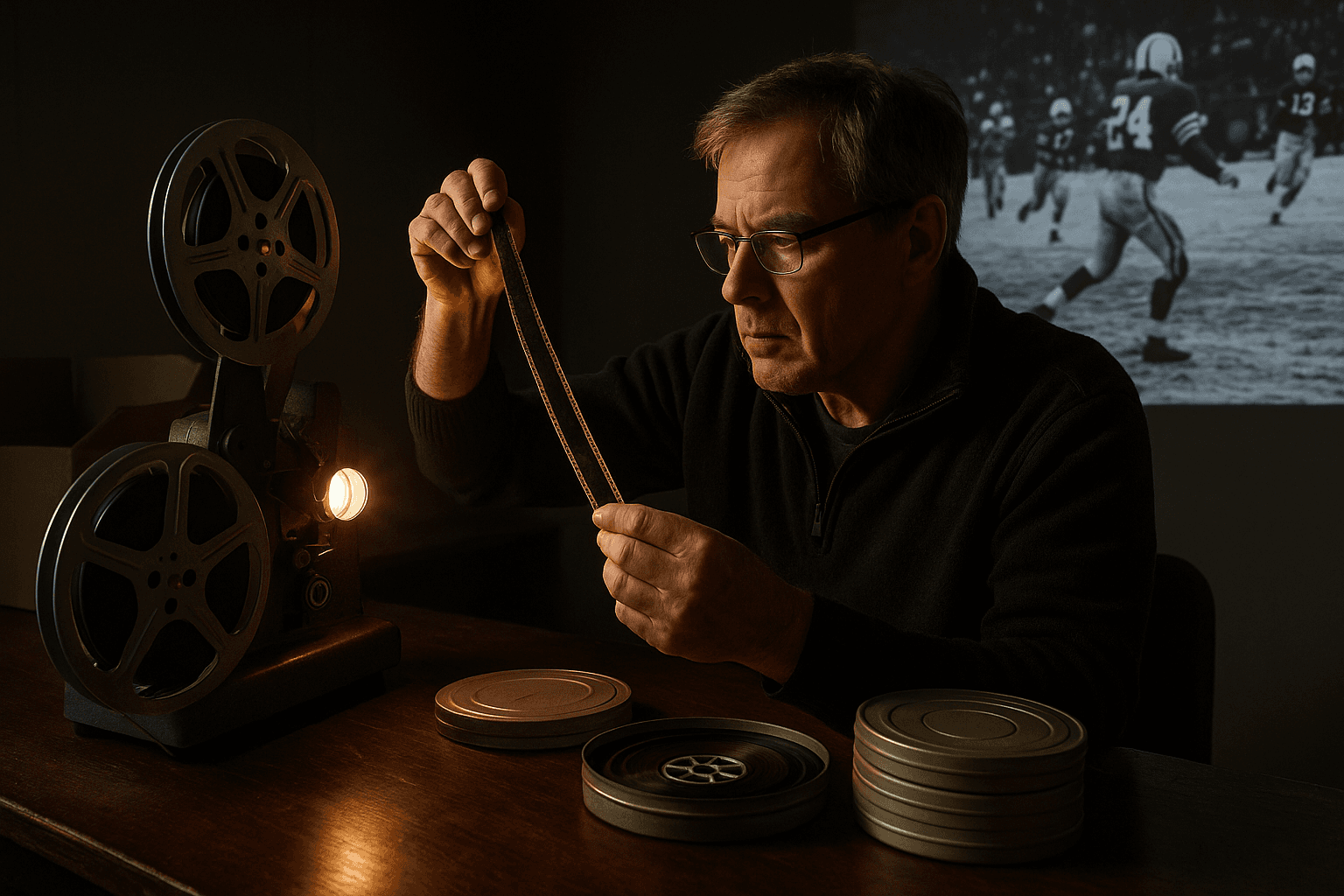
The Beltrami County Historical Society launched a targeted preservation effort on December 12, 2025 to rescue and digitize aging sports film from the Bemidji area. Archivists and volunteers have been cataloging reels, assessing physical condition, and transferring content to digital formats to prevent further loss from degradation. The project focuses on making the material available for exhibits and community programming, and it is part of a broader push by the society to expand exhibit content and strengthen its volunteer and committee base.
Staff and volunteers are central to the effort, handling time consuming tasks such as cleaning film, logging contextual details, and coordinating digitization. The society is also working to recruit committee members to guide curation decisions and to shape how the footage will be presented to the public. Local historians say that preserving game footage, cheer routines, and crowd scenes helps reconstruct the social and cultural life of Bemidji across decades, offering visual sources that complement newspapers, yearbooks, and oral histories.
For the community the immediate benefits include new materials for school projects, opportunities for shared screenings, and richer rotating exhibits at the historical society. Digitized footage also reduces the costs and logistical barriers of showing fragile original reels, allowing the society to loan digital copies to educators and community groups. Over the medium term preserved footage can support tourism related programming, anniversary events, and partnerships with local media, all of which contribute modestly to the cultural economy.
The project reflects broader trends in small museum practice, where digitization and volunteer engagement extend the reach of limited budgets. The society will likely pursue grant funding, partnerships, and in kind support to complete the work and to create exhibit narratives from the footage. For residents, the effort is a practical step toward preserving local memory and making it useful for education, celebration, and civic life.
Sources:
Know something we missed? Have a correction or additional information?
Submit a Tip