Beltsville house fire displaces 11, prompts health and housing concerns
A Beltsville house fire displaced 11 people and sent two firefighters to hospital for evaluation. Neighbors should know about shelter help, smoke risks, and recovery steps.
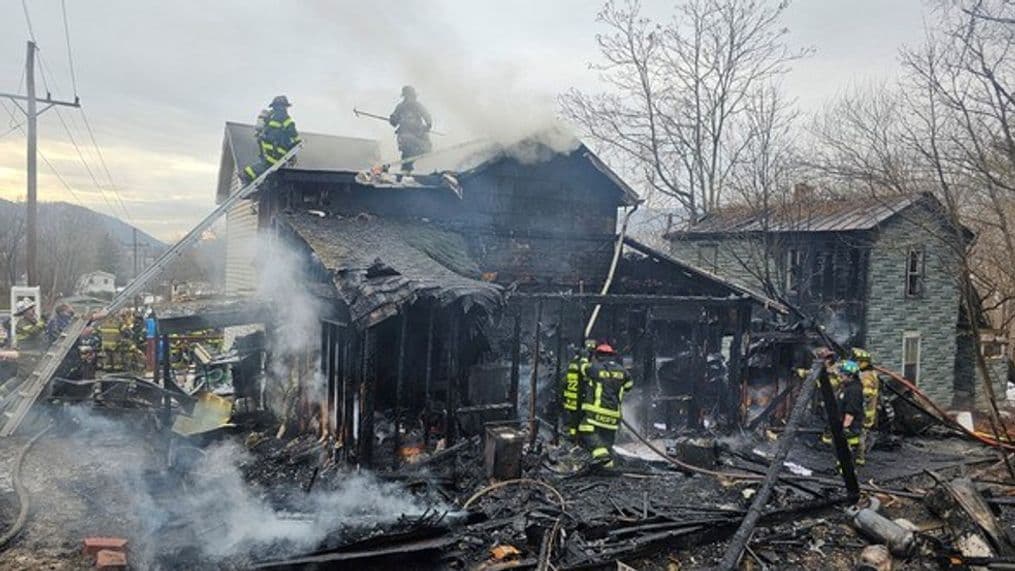
Flames raced through a two-story single-family home in the 400 block of Daisey Creek Terrace in Beltsville on the evening of Jan. 8, leaving three children and eight adults without housing and sending two Prince George's County firefighters to the hospital for evaluation. Fire crews from the Prince George's County Fire Department arrived about 6:33 p.m. and brought the blaze under control after finding the house blanketed in flames.
A search of the residence showed that all occupants escaped without reported injuries, but the damage rendered the home uninhabitable. The county's Office of Emergency Management is assisting the 11 people who were displaced while investigators work to determine the fire's cause.
The incident raises immediate public health concerns for a community still digging out from winter conditions. Children who were in the house are at elevated risk for smoke-related respiratory irritation even if they showed no acute injury at the scene. Adults who escaped the fire should monitor for delayed symptoms such as coughing, wheezing, headaches, or chest pain and seek medical care if those symptoms develop. Community clinics and primary care providers in Prince George's County advise follow-up for anyone exposed to dense smoke, particularly those with asthma, COPD, heart disease, or other chronic conditions.
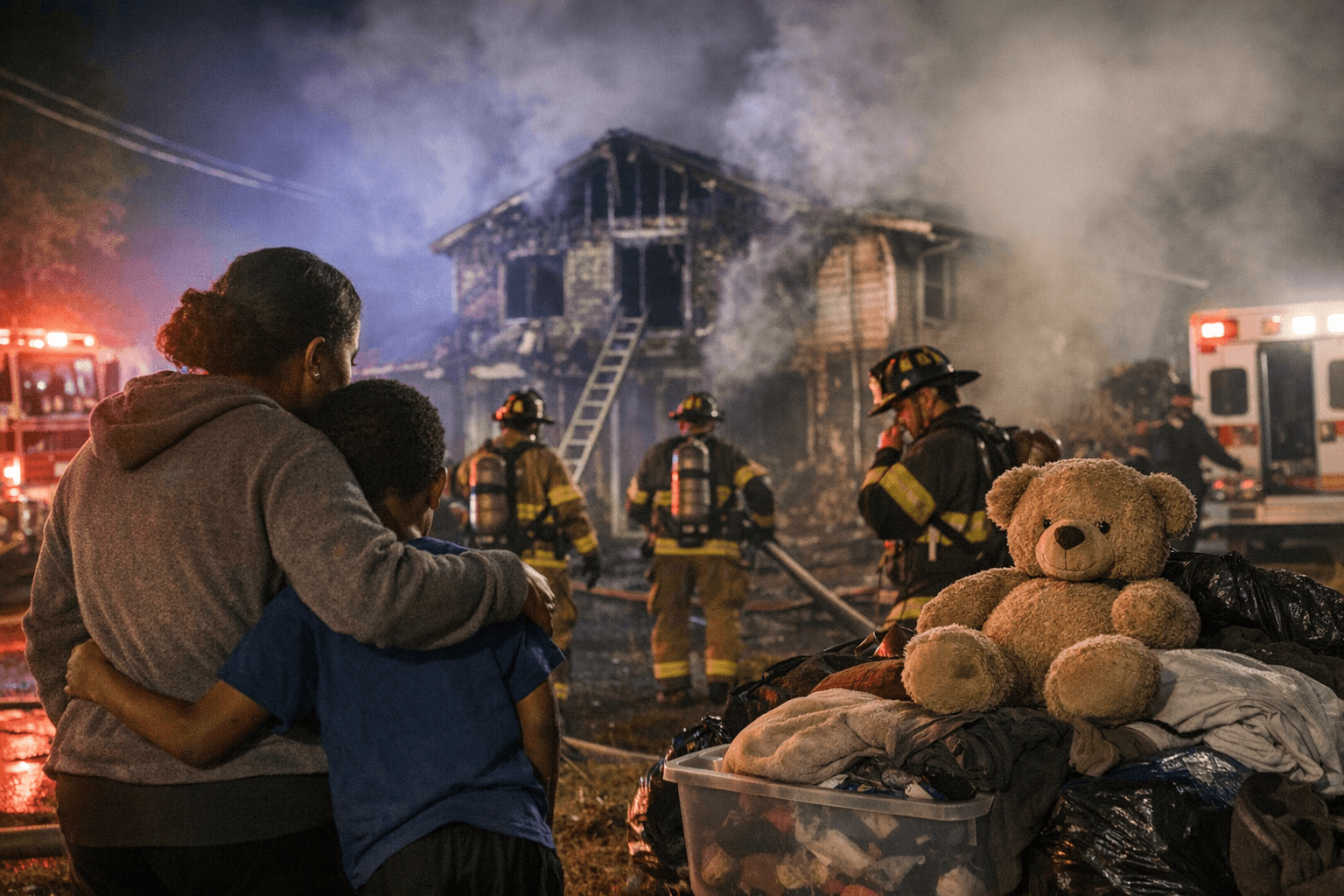
This fire also spotlights long-standing gaps in housing security and emergency response resources. When a single-family home can leave 11 people suddenly displaced, families face immediate needs for shelter, clothing, paperwork recovery and mental-health support. Local emergency services and nonprofits typically coordinate short-term housing and basic needs, but long-term recovery often relies on insurance coverage, affordable housing availability and targeted county assistance—areas where systemic inequities can leave low-income households more vulnerable.
For first responders the incident underscores occupational health and staffing pressures. Two firefighters were transported for evaluation after battling the blaze; ensuring rapid access to medical evaluation, rehabilitation and mental health supports for crews is critical to sustaining emergency services in Prince George's County neighborhoods.
Neighbors can help by checking smoke detectors and heating sources in their own homes, making sure escape plans are practiced, and offering support to displaced families where appropriate. Watch for official notices from the county Office of Emergency Management about where those families are being assisted or how to donate time or goods.
The takeaway? Keep your family and neighbors safe by testing alarms, planning exits and watching for delayed health effects after smoke exposure. Our two cents? If you can, check in on nearby households and make sure everyone knows how to reach county emergency services when a crisis hits.
Sources:
Know something we missed? Have a correction or additional information?
Submit a Tip