Bemidji Hosts Regional Robotics Qualifier, Students Advance Toward State
About 20 elementary and middle school teams from northern Minnesota gathered in Bemidji on Friday for the Northern Minnesota Robotics Conference regional qualifier. The free event offered hands on STEM experience for students from communities including Cass Lake Bena and Red Lake, and it matters locally as a stepping stone to the Minnesota State Tournament and potentially the World Championship in Houston.

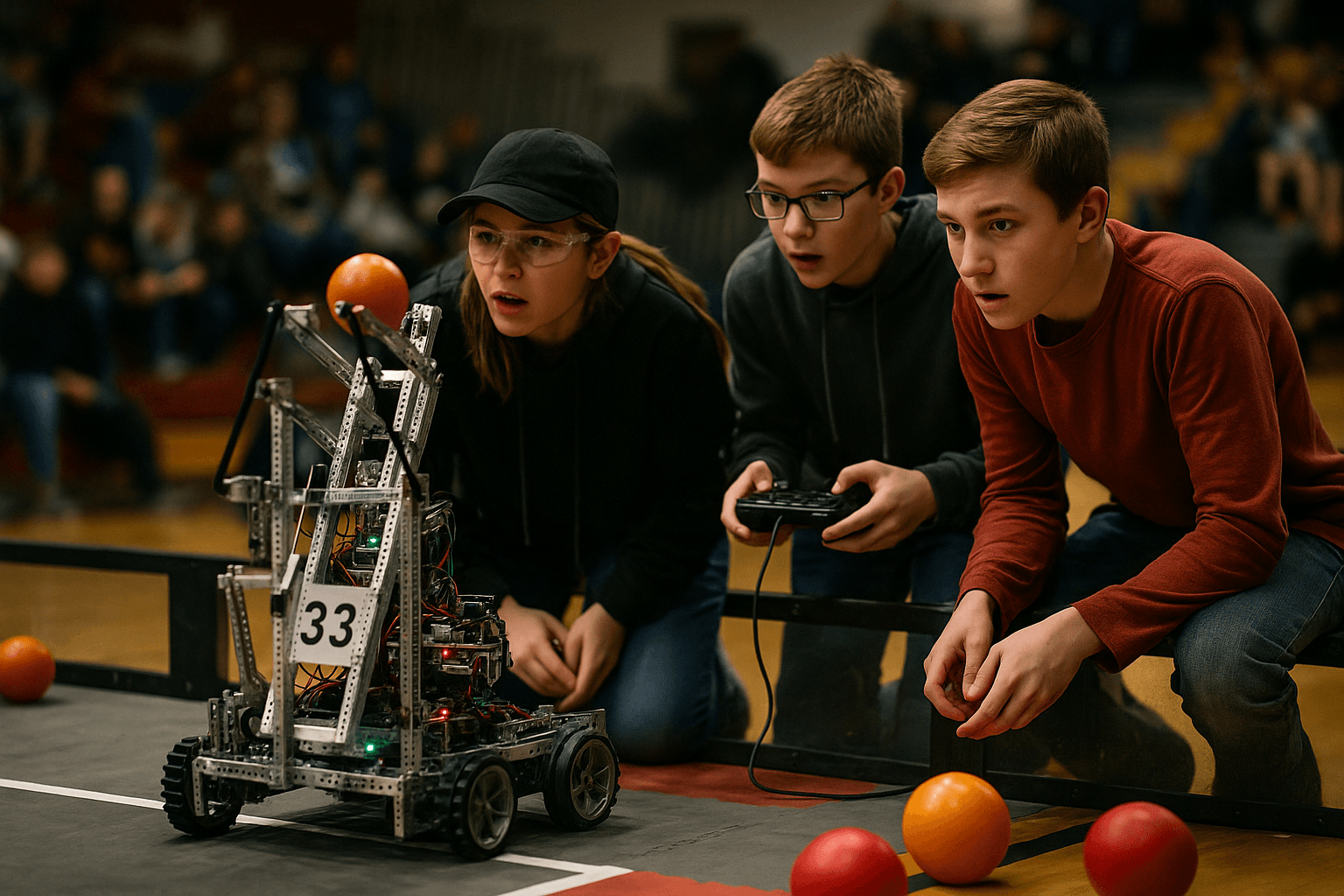
On Friday the Sanford Center ballroom in Bemidji filled with students, coaches and families as the Northern Minnesota Robotics Conference held its annual FIRST Lego League regional qualifier. The in person competition was the season s first large gathering for teams to test robots built for this season. Doors opened at 9:30 a.m. and final matches wrapped up in the late afternoon, with concessions available for attendees.
Roughly 20 teams in grades four through eight represented schools across the region, including Gene Dillon Elementary, Cass Lake Bena, Red Lake, Nevis and Upsala. Teams competed for spots in the Minnesota State Tournament in February and for the chance to advance to the World Championship in Houston. For many students this was more than a contest, it was an opportunity to apply problem solving skills, collaborate under pressure and gain public exposure to science and engineering pathways.
The event s free admission and community setting reduced economic and transportation barriers that can limit participation in extracurricular STEM activities. For rural districts and tribal communities that have historically faced gaps in access to educational resources, events like this provide critical hands on learning and visibility for young people who may be underrepresented in technology fields. Local coaches and school leaders framed the qualifier as part of longer term efforts to expand science learning across Beltrami County and neighboring communities.
Beyond educational outcomes, the gathering had public health and community cohesion implications. Structured, supervised group activity supports youth mental health by building social connections and confidence. Keeping events free and locally hosted also lightens financial strain on families, a factor that intersects with broader health and economic policy priorities. Sustained investment from schools and community partners in after school and enrichment programs can strengthen equitable access to opportunities that influence long term health and employment outcomes.
As teams return to their schools to refine robot designs and presentations, attention now shifts to the state tournament in February where qualifying teams will compete for a chance to represent northern Minnesota on the national and international stage.


