Black Mountain Brewing Deck Closure Sparks Dispute, Threatens Winter Revenue
Black Mountain Brewing said town inspectors shut the brewery's top deck, sharply cutting capacity and jeopardizing key winter income for the business. Town officials said permits lacked required documentation and final approvals, enforcement followed a fire inspection that found unpermitted electrical and interior work, and a sealed structural engineer report is now required before the deck can reopen.

Black Mountain Brewing and town officials clashed after the brewery's top deck was closed by the town on December 4, a move the owners say slashed customer capacity and imperiled revenue during the critical holiday and winter months. The brewery maintained the deck had been permitted and engineered, and that the sudden closure unfairly threatened the venue's ability to operate and host seasonal events.
Town leaders pushed back in a press release, asserting that several permits for work on the property lacked required documentation and final approvals. The release said some permits had expired without final inspections or certificates of occupancy, and that enforcement actions followed a fire inspection that identified unpermitted electrical and interior work. Town staff circulated a list of required corrections and asked for a sealed structural engineer's report before the deck could reopen.
The dispute frames a familiar tension between small business owners seeking to maximize usable space and municipal code enforcement responsibilities to protect public safety. For the brewery, reduced capacity this month can mean lost sales from taproom customers, private bookings, and holiday gatherings. For the town, lapses in permitting or work performed without final inspections raise fire and structural safety concerns that officials say must be resolved before patrons are allowed back on the deck.
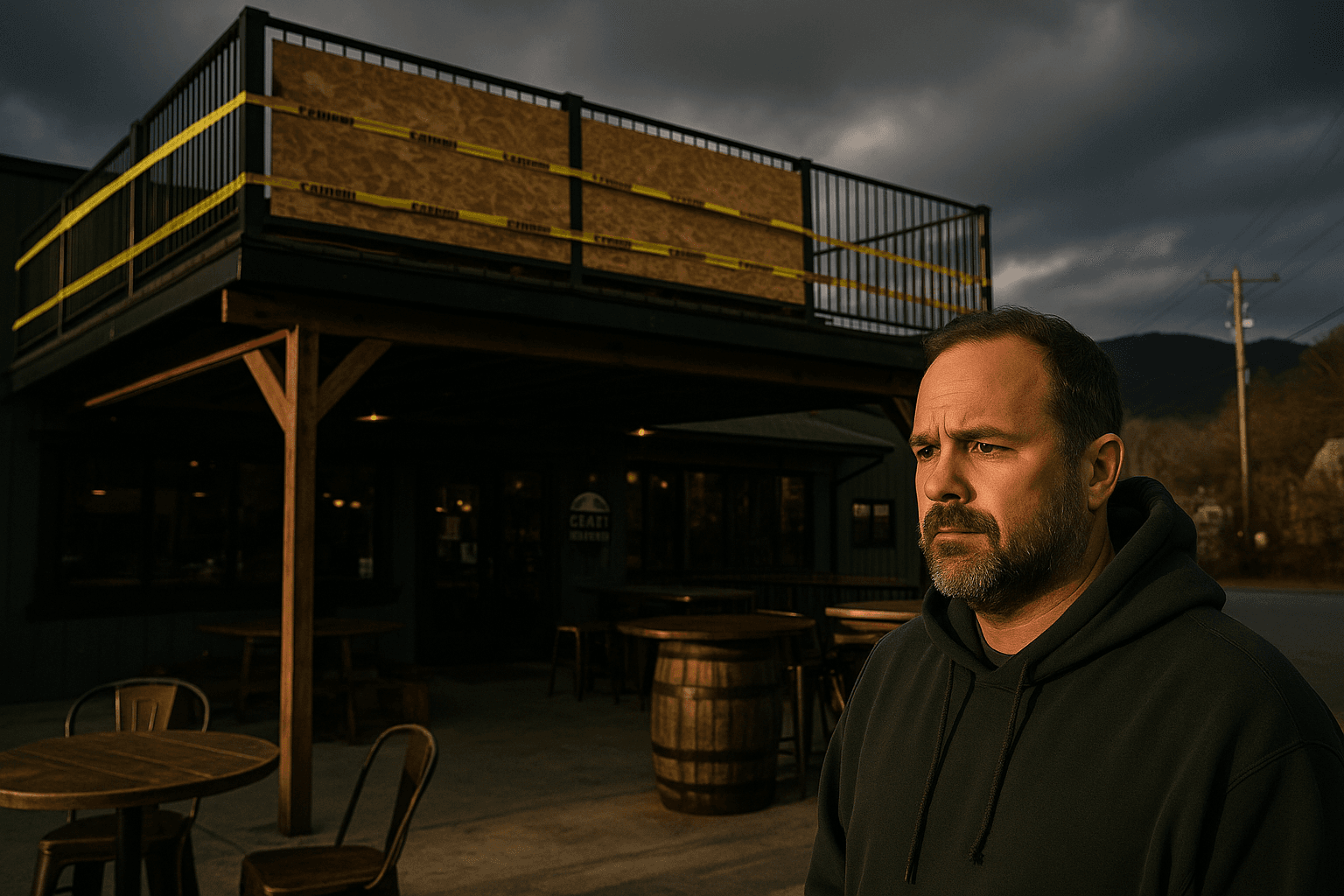
Reopening conditions set by the town suggest potentially significant costs for the brewery. A sealed structural engineer report typically requires a licensed engineer to inspect, document findings, and certify load capacity or recommend repairs, a process that can lead to costly retrofits if deficiencies are found. Brewery owners say the corrections demanded would be expensive and effectively require rebuilding the deck, while the town maintains the measures are necessary to meet code requirements and ensure public safety.
Locally, the matter has implications beyond one business. Small businesses in Buncombe County frequently balance tight margins with compliance obligations, and enforcement decisions at a high traffic venue can ripple to employees, suppliers, and the local hospitality economy. The situation is developing, and next steps will hinge on whether the brewery and the town can agree on a path to document safety and complete required inspections while limiting economic disruption during a season when revenue is especially important.