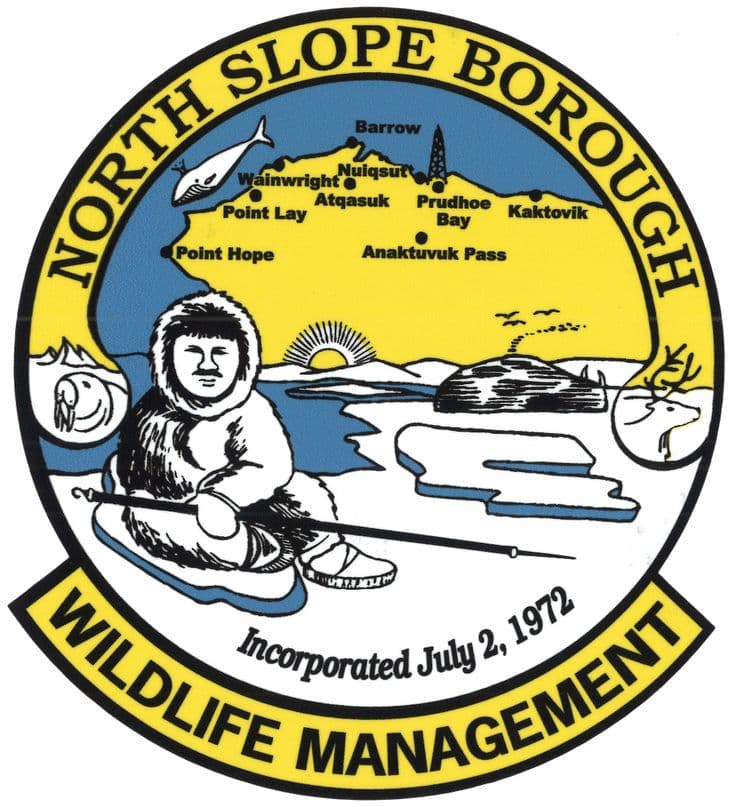
BLM Rule Tightens Protections in NPR A, North Slope Faces Revenue Risk
On December 6, 2025 the Bureau of Land Management finalized a rule that restricts oil and gas leasing and development across portions of the National Petroleum Reserve Alaska. The change increases protection of surface values in selected areas, and could reduce revenue streams that fund local government services across the North Slope Borough.
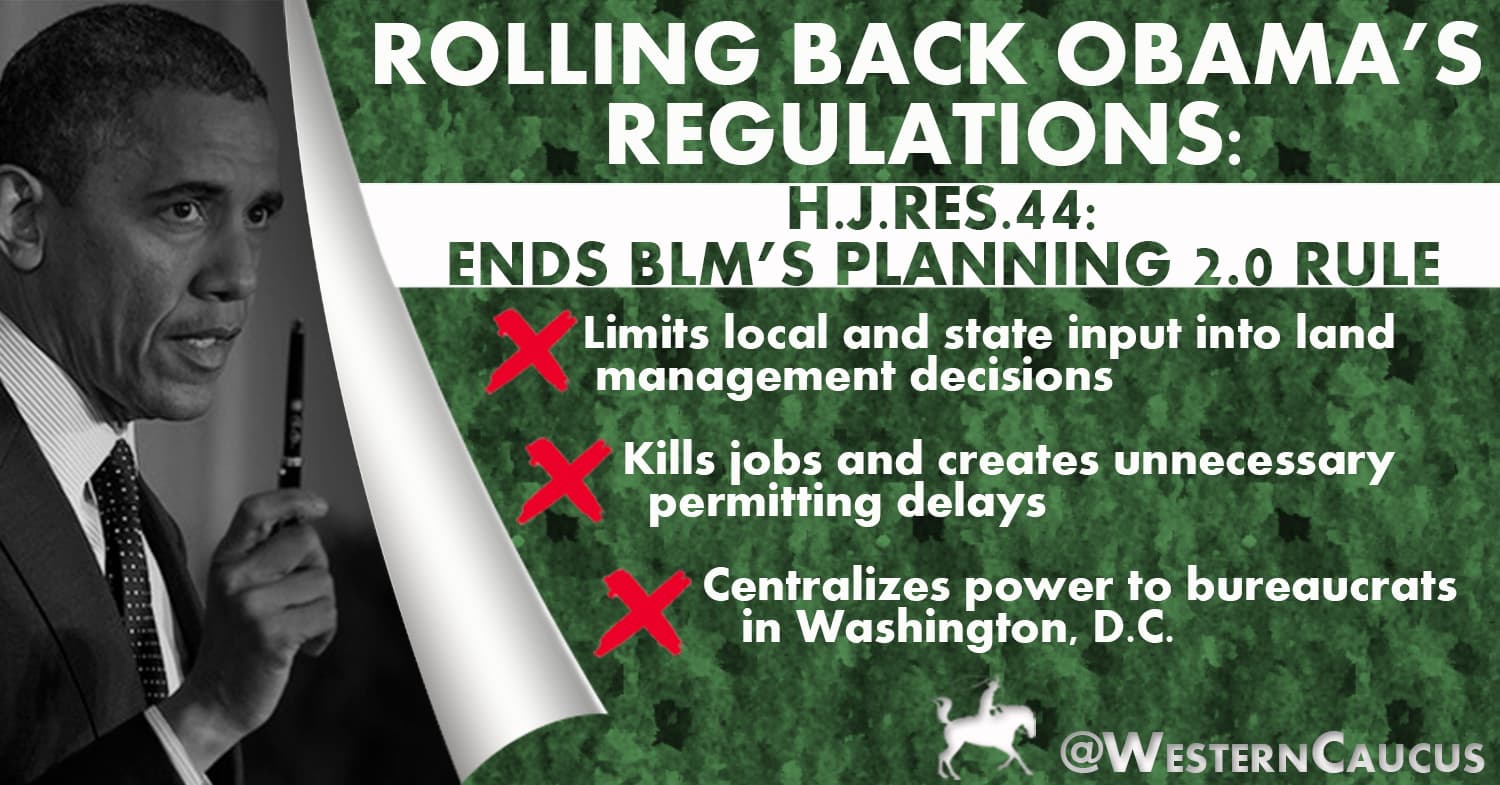
The Bureau of Land Management issued a final rule on December 6 that limits leasing and development in specified portions of the National Petroleum Reserve Alaska. The rule was presented by the agency as a measure to increase protection of surface values in targeted areas of the reserve. For residents of the North Slope Borough the rule represents a potentially significant shift in federal land management policy with direct fiscal and political consequences.
The National Petroleum Reserve Alaska was originally established as a naval petroleum reserve and later management responsibility moved to the Bureau of Land Management. Under BLM oversight the NPR A has long been subject to competing objectives, balancing federal conservation goals with opportunities for oil and gas development that have backed local government revenues and regional economies. The agency framed the new rule around heightened surface protections in order to preserve environmental and subsistence values in specific tracts.
State officials and regional stakeholders responded with opposition, arguing the rule will reduce opportunities for development and deprive local governments and boroughs of revenue that funds essential services. That pushback has already entered legal and political arenas, with related lawsuits and statewide reactions underscoring the contentious nature of federal land use decisions in Alaska. The dispute reflects a broader, ongoing debate over federal authority, state prerogatives, and regional economic dependence on hydrocarbon development.

For the North Slope Borough the immediate policy implications are fiscal uncertainty and a sharper contest over how to allocate risk and benefit from public lands. Reduced leasing or delayed projects can affect borough budgets, local contractors, employment and municipal planning. Politically the rule is likely to intensify coordination between state leaders and local governments pursuing legislative and legal avenues to protect revenue streams. It may also influence voting patterns and civic engagement on resource management issues in upcoming elections as residents weigh economic stability against conservation priorities.
The story is now moving into implementation and litigation phases. Borough officials, state leaders and regional stakeholders will be monitoring BLM actions, administrative appeals and court challenges closely. The final outcome will determine not only the footprint of permitted development in the NPR A but also the scale of fiscal and political adjustments required across the North Slope.