BLM sells 20,399 acres in record New Mexico lease auction
BLM leased 20,399 acres for $326.8 million, including a record single-acre bid. The sale could spur drilling, county revenue shifts, and new environmental reviews.
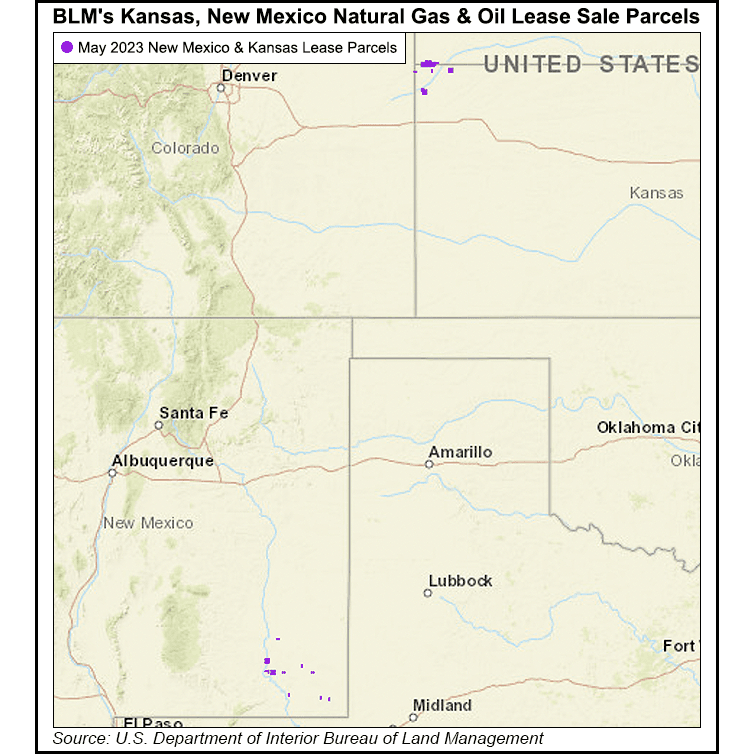
The Bureau of Land Management leased 31 parcels totaling 20,399 acres in New Mexico and Oklahoma for $326,811,240 in total receipts during its quarterly oil and gas lease sale held January 6, 2026. The sale included what the agency called the highest single-acre bid in BLM competitive leasing history, and it ranked among the largest recent bonus bid totals nationwide.
Acting BLM Director Bill Groffy framed the outcome as a milestone for the agency. "This sale brought in over $218,751 for a single acre, the highest ever earned during a BLM competitive oil and gas lease sale since at least the 1987 Leasing Reform Act and shows the bureau's ongoing commitment to fulfil President Trump’s mandate to unleash American energy," Groffy said. He added, "This sale is also the second highest for total bonus bids received at over $316 million and third highest for both bid on a single parcel at over $70 million and average bid per acre at over $16 thousand."
Federal and state governments share combined lease bonus bids and rental receipts according to established distribution rules, meaning New Mexico will receive a portion of the revenue generated by parcels located inside the state. Leasing is the first step in a process that can lead to drilling; oil and gas leases are awarded for 10 years and extend as long as production continues in paying quantities. The BLM emphasized that development must meet requirements under the National Environmental Policy Act and other legal authorities before production can proceed.
The sale was conducted under the One Big Beautiful Bill Act, which reset the minimum federal onshore royalty rate to 12.5 percent, reversing a 16.67 percent rate established under the Inflation Reduction Act. By lowering the royalty rate, the legislation reduces the cost of doing business on federal lands and is intended to make leasing and development more economically attractive to industry. The agency said the change is expected to spur additional leasing and drilling activity and support increased domestic energy production and energy security.
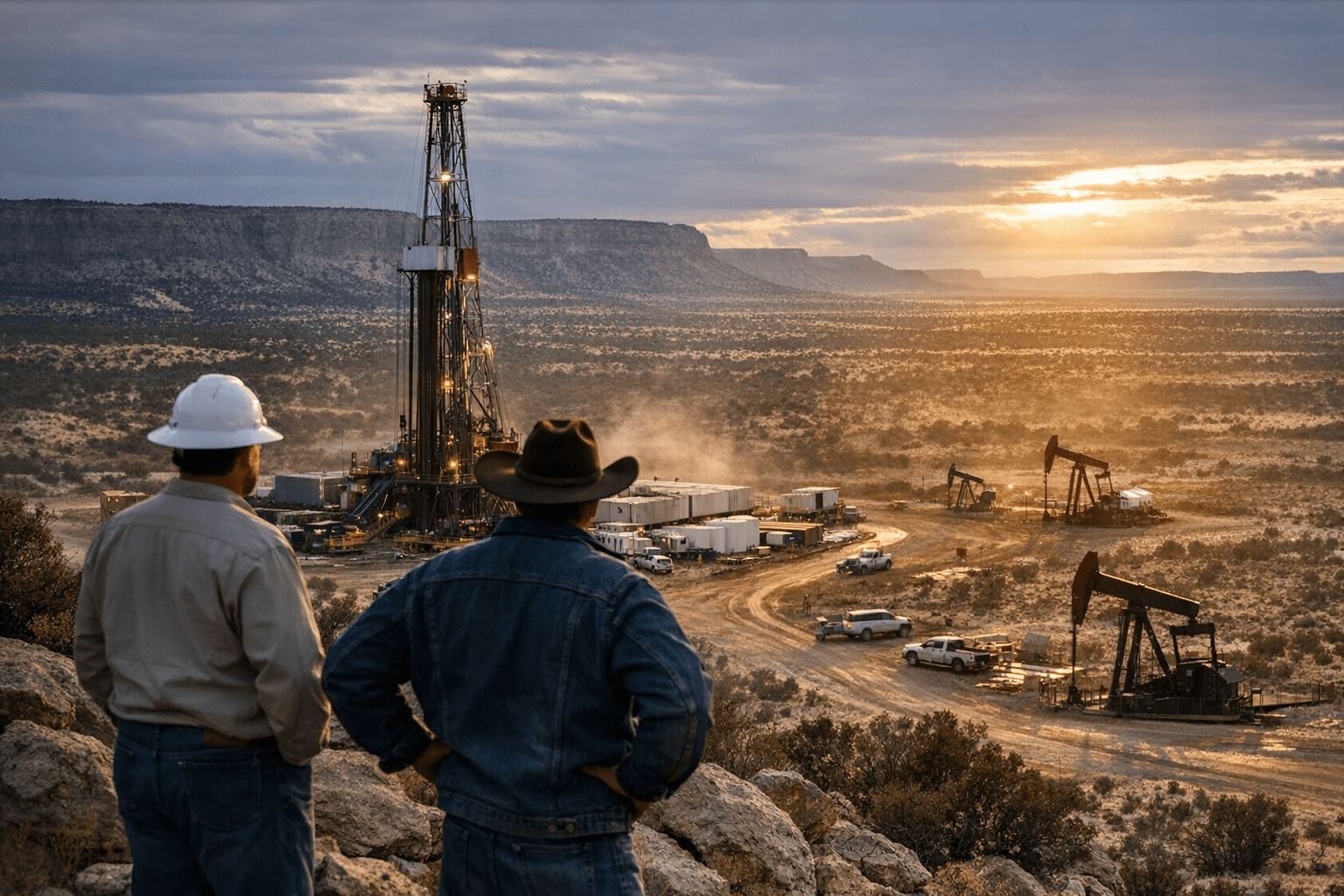
For San Juan County residents, the practical implications are clear: leases and subsequent permitting can bring more rig traffic, temporary jobs, and potential royalty revenue while also triggering more intensive air, water, and land use reviews. Local governments and landowners will see decisions about access roads, surface use agreements, and environmental mitigation as operators move from leaseholding to permit applications.
The BLM maintains records of current and upcoming leases in the National Fluid Lease Sale System and lists Darren Scott as the media contact for BLM New Mexico. The takeaway? Track lease maps and permit filings, attend County Commission and public scoping meetings, and weigh potential local revenue against environmental and infrastructure impacts as drilling activity moves forward.
Sources:
Know something we missed? Have a correction or additional information?
Submit a Tip