Boeing Reacquires Spirit AeroSystems, Recasts Global Aerospace Supply Chain
Boeing closed its $4.7 billion acquisition of Spirit AeroSystems on December 8, bringing the bulk of the world's largest independent wing and fuselage maker back under plane maker control after regulators approved remedies to preserve competition. The deal, valued at about $8.3 billion including debt, affects roughly 15,000 employees and is intended to stabilise jet production, notably for the 737 MAX, amid persistent supply chain quality strains.
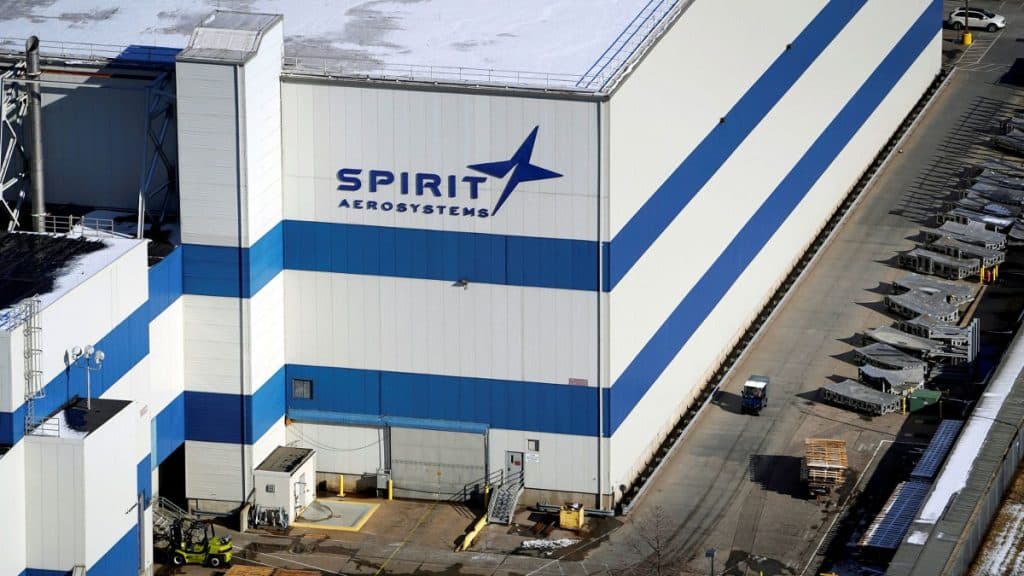
Boeing completed its purchase of Spirit AeroSystems on December 8, a transaction that reunites much of the aerospace industry's largest independent wing and fuselage manufacturer with one of its primary customers. The $4.7 billion equity transaction, which amounts to about $8.3 billion on an enterprise value basis including debt, shifts a substantial tranche of manufacturing capacity back inside a major planemaker after years of outsourcing and independent supply chain growth.
The acquisition brings Boeing related commercial operations and parts of Spirit’s Belfast operations under Boeing ownership. Those Belfast units will operate as an independent subsidiary branded Short Brothers. Under the same overall restructuring, Airbus completed purchases of certain Spirit operations and will receive compensation under the deal structure. U.S. and European regulators including the Federal Trade Commission and EU competition authorities cleared the transaction after Boeing agreed to divest some businesses and accept additional remedies intended to preserve competition among major airframe suppliers.
About 15,000 Spirit employees are affected by the transaction. Roughly 6,000 of the workers previously belonged to the International Association of Machinists and Aerospace Workers, a composition that could change the dynamics of collective bargaining and labor relations in coming months. Integrating a large unionized workforce presents operational and political challenges for Boeing, which will need to reconcile contracts, work rules, and plant level management practices while attempting to extract efficiencies and stabilise output.
Boeing framed the acquisition as a tool to stabilise production of commercial jets, including the high volume 737 MAX, where quality and supply chain problems have intermittently disrupted deliveries and eroded airline confidence. Bringing critical manufacturing in house can reduce coordination frictions and give Boeing more direct control of engineering, quality assurance, and scheduling. At the same time the consolidation raises concentration concerns that prompted regulatory oversight and the requirement for divestitures.
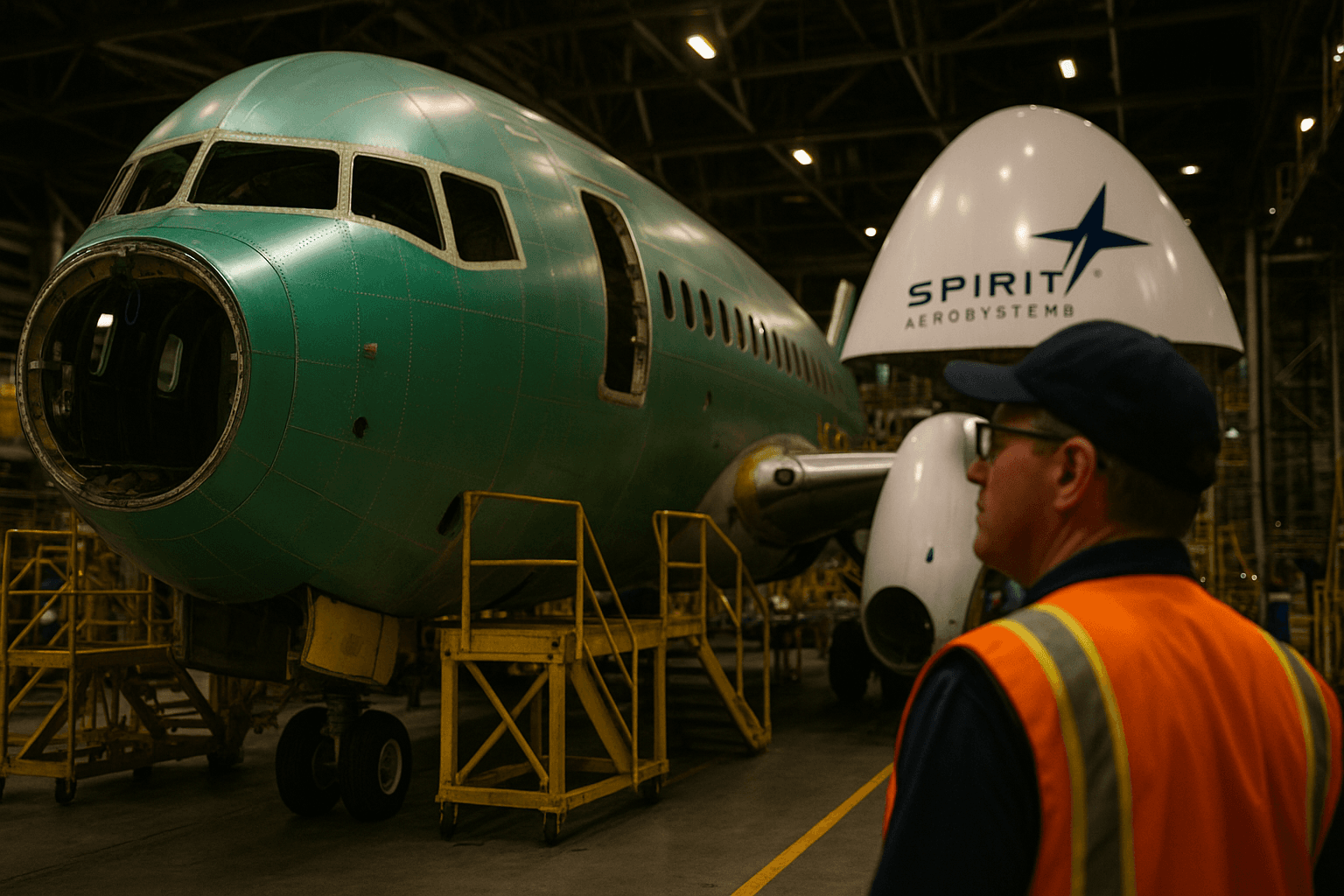
Economists and industry analysts say the transaction fits into a broader trend toward greater vertical integration after the pandemic exposed vulnerabilities in long fragmented global supply chains. Reintegrating key components can enhance resilience and shorten decision chains, but it can also reduce supplier competition and place more capital intensity and risk on the plane maker. The remedies requested by regulators aim to strike a balance, preserving competitive alternatives while allowing Boeing to internalize manufacturing capacity.
For airlines and investors the immediate question will be whether the move delivers the promised improvements in delivery reliability and cost control. Boeing faces substantial execution risk integrating complex manufacturing assets while managing labor relations and meeting regulatory commitments. Over the longer term the deal could reshape bargaining power across the aerospace value chain, influencing pricing, innovation incentives, and where future airframe work is located in the transatlantic industrial base.
The closing marks a consequential realignment of an industry that has been wrestling with the trade offs between efficiency, specialization, and resilience. How effectively Boeing translates ownership into steadier production and sustained competition will determine whether the transaction proves to be strategic insurance or a new point of systemic concentration.