Bowdoin Museum Opens Memento Mori Exhibition, Engraving Highlights
The Bowdoin College Museum of Art opened a new exhibition on December 1 that explores Renaissance memento mori imagery and early modern attitudes toward mortality. The show assembles engravings and objects including Albrecht Dürer’s 1514 St. Jerome in his Study, strengthening Brunswick cultural offerings and reinforcing the museum as a resource for the Midcoast community.
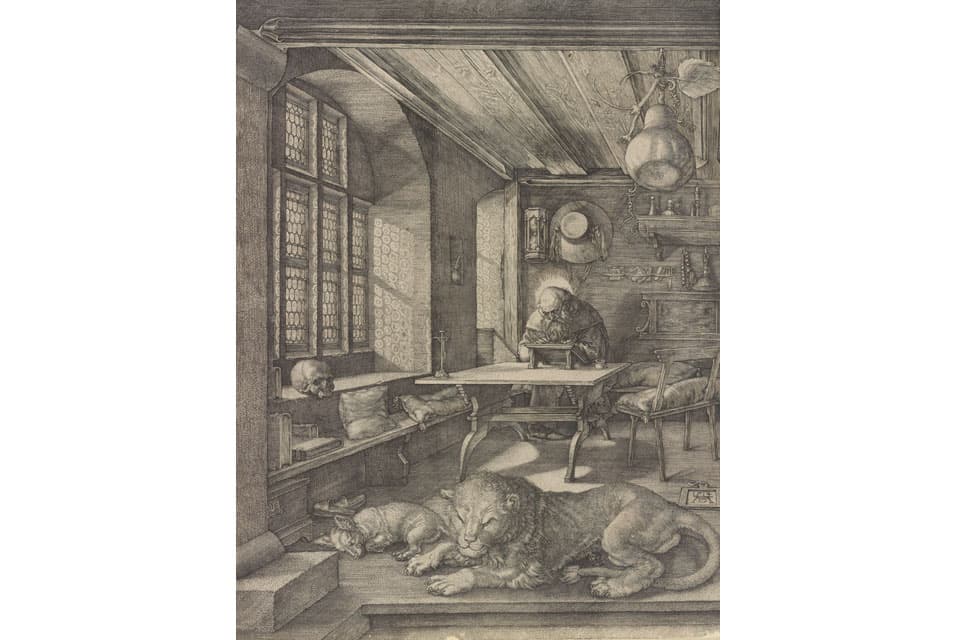
On December 1 the Bowdoin College Museum of Art unveiled an exhibition that assembles Renaissance engravings and objects centered on memento mori themes. The display foregrounds artists and makers who engaged with memory, mortality and legacy in the early modern period, and highlights major works such as Albrecht Dürer’s 1514 St. Jerome in his Study. Curators framed the presentation to place individual works within broader cultural conversations of the Renaissance, aiming to make scholarly material accessible to public audiences in Brunswick.
The exhibition’s organization emphasizes moral reflection as a civic and intellectual practice in early modern Europe. By grouping prints and material objects together the museum presents visual arguments about remembrance and the construction of legacy. For visitors this offers both art historical insight and a chance to encounter centuries old reflections on life course choices and community values. The scholarly importance of displaying these works together was central to the museum’s approach, and the show is intended to serve students, researchers and general audiences.
For Sagadahoc County and the Midcoast region the exhibition adds a significant cultural draw. Bowdoin’s museum has long served as a regional arts anchor, and presenting a tightly curated scholarly show can extend stays by visitors to Brunswick, support nearby businesses and deepen local arts programming. Cultural institutions contribute to local economies by attracting audiences who spend on lodging, dining and retail, and by offering educational partnerships with schools and colleges.
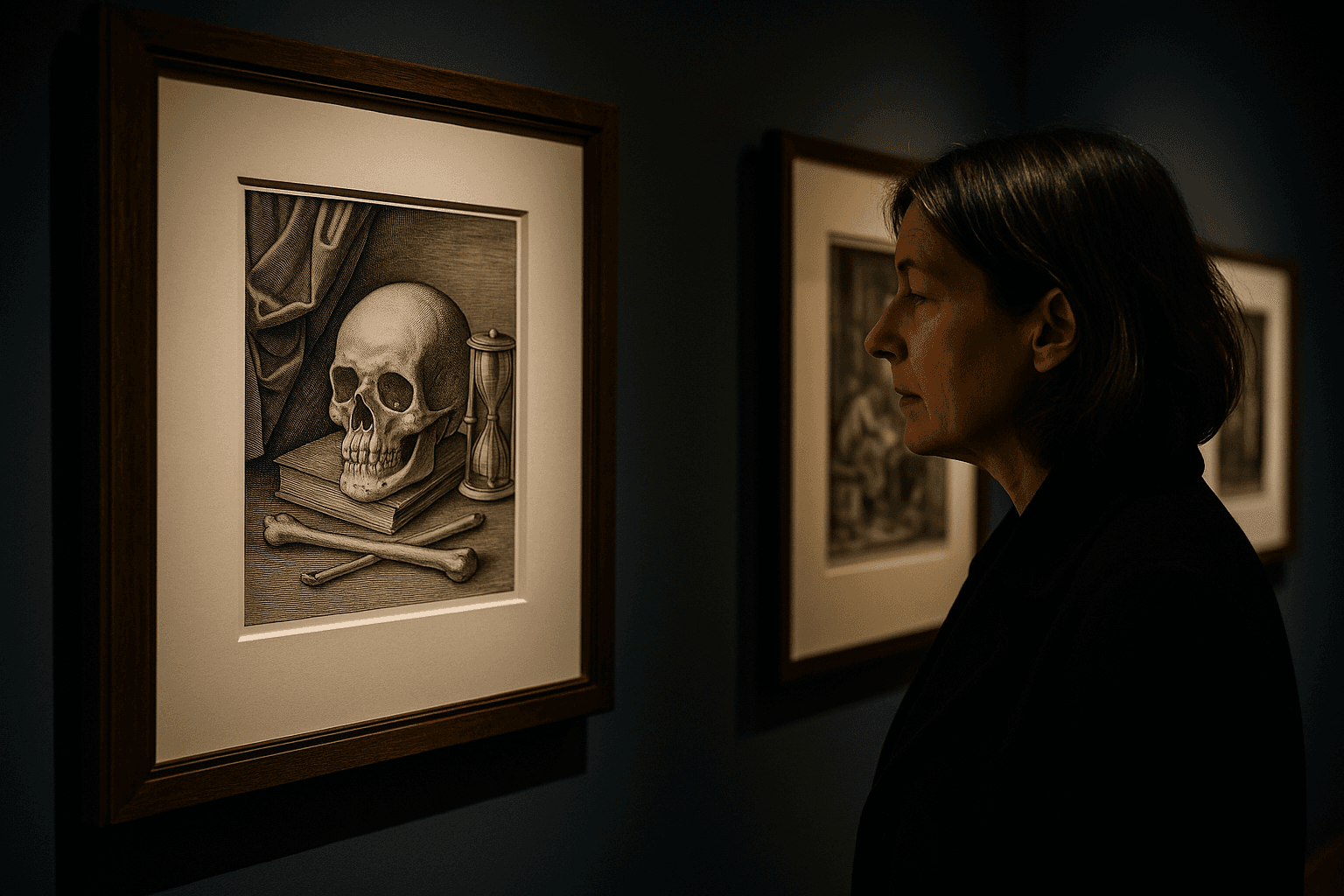
From a policy perspective the exhibition underscores the value of continued support for public museums that bridge scholarship and community access. As museums nationwide adapt to fiscal pressures preserving the capacity to mount focused historical exhibitions matters for cultural tourism, lifelong learning and local identity. Over time exhibitions such as this can strengthen Brunswick’s reputation as a Midcoast cultural center while providing residents with opportunities to engage directly with important works of art and history.