Bucharest Votes, Far Right Could Win First EU Capital Mayoral Post
Voters in Romania's capital are choosing a mayor in a contest that could deliver the first far right mayor of an EU capital, a result with implications for Brussels and regional politics. The outcome may destabilize a fragile pro European governing coalition that faces a looming no confidence vote over pension reforms and could reshape how mainstream parties engage with extremist forces.
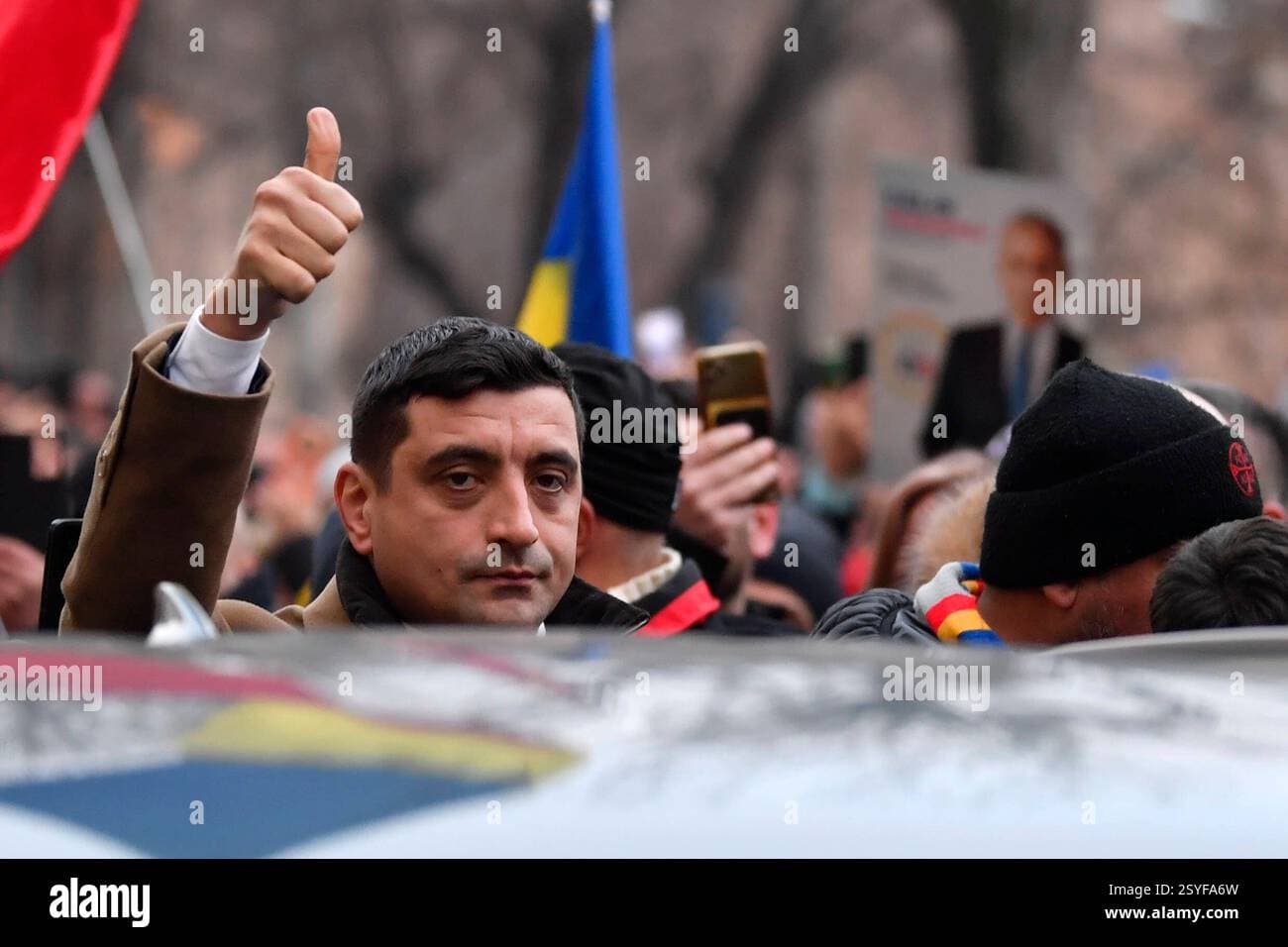
Voters in Bucharest are turning out on Sunday in a mayoral election that could produce a landmark victory for the far right in the European Union. The influential post has been vacant since May following a re run election. Polls in the closing hours showed television anchor Anca Alexandrescu, backed by the hard right Alliance for Uniting Romanians AUR, running level with Social Democrat Daniel Baluta and a field of mainstream contenders, setting up an uncertain finish once preliminary results are released after polls close.
A victory by the AUR backed candidate would puncture the cordon sanitaire that has until now kept extremist parties from governing in Romania's capital and could reverberate across the country and beyond. Bucharest is both a symbolic and practical center of political gravity, and control of the mayoralty would provide the winning party with administrative levers, visibility and a platform to influence national debates at a sensitive moment for the governing coalition.
Romania's pro European coalition is already fragile, and lawmakers in parliament are preparing for a no confidence motion tied to contested pension reforms. Analysts say that a shock electoral success in the capital could embolden opposition forces, alter bargaining dynamics in Bucharest and prompt shifts in alliance patterns that extend to the national level. The potential outcome is likely to test European partners on how to respond to electoral advances by parties described as extremist, and to probe legal and diplomatic boundaries for engagement and condemnation.
The race is unfolding amid heightened anxiety about information integrity. Authorities cancelled an election earlier in the year, saying it had been targeted by outside meddling, and concerns about disinformation and foreign interference have persisted through this campaign. Observers are watching not only vote counts but also post election narratives and the flow of online content that could influence public perception of legitimacy and process.
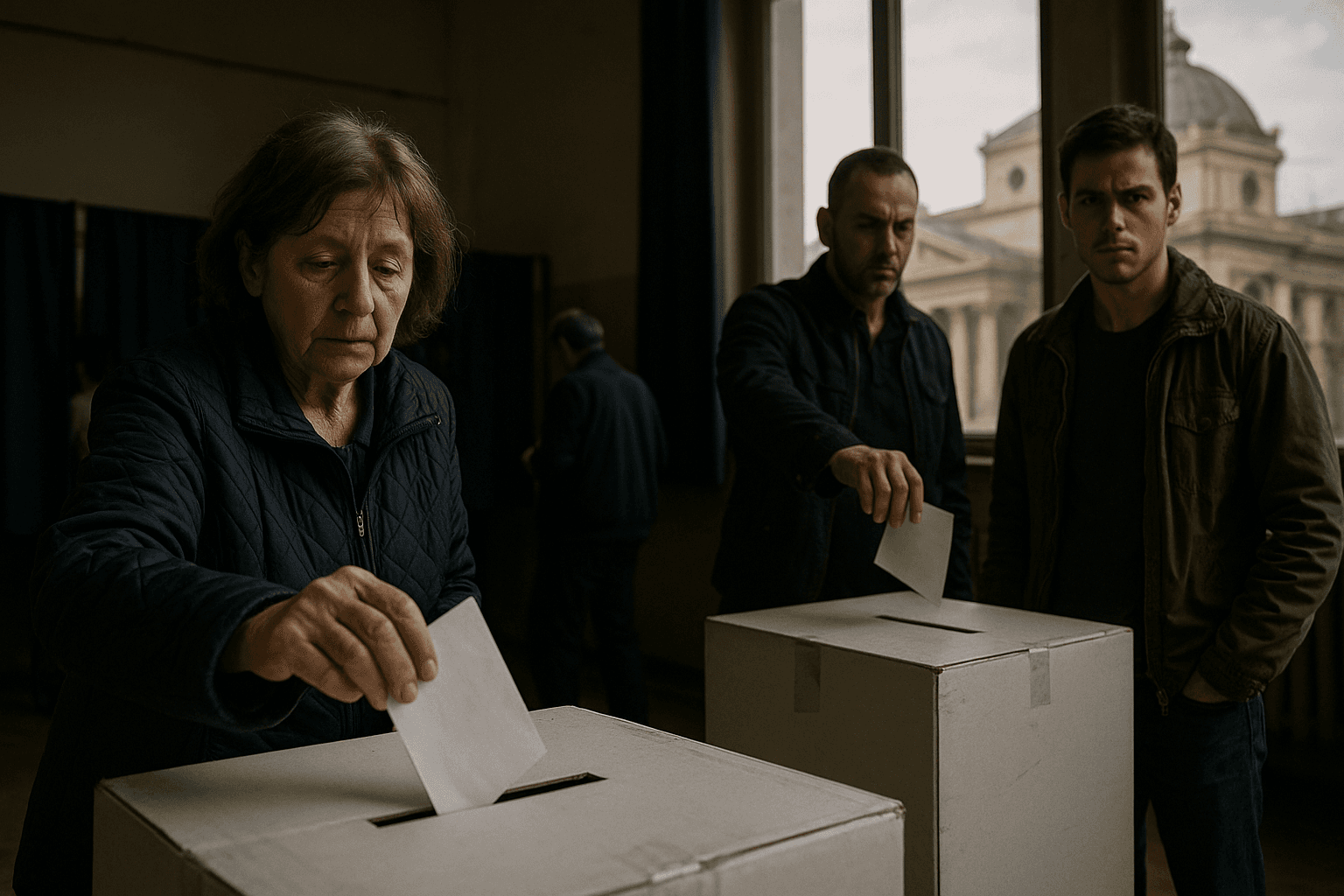
For residents of Bucharest the stakes are immediate and practical. The mayoralty steers urban planning, public services and budgets for a city that is a hub for business and culture as well as for international diplomatic presence. For European capitals and institutions the contest tests commitments to democratic norms and raises questions about the tools available to respond when electorates move toward parties that challenge mainstream democratic consensus.
Election officials expect to publish preliminary returns shortly after polls close in the evening, with a fuller picture to emerge in the hours and days that follow. Whatever the result, Romania and its partners in the European Union will confront a political landscape in which mainstream parties must decide whether to recalibrate strategies for containing or engaging a rising far right, while balancing legal constraints, diplomatic ties and the need to preserve democratic legitimacy.