Bucknell student expo showcases engineering solutions for health and equity
Bucknell University hosted an Engineering 100 expo on December 4, 2025, where 54 student teams presented projects that included converting urine into potable water and harnessing sunlight to power handheld devices. The event highlighted how introductory engineering education can produce practical ideas with public health and community equity implications for Union County and beyond.
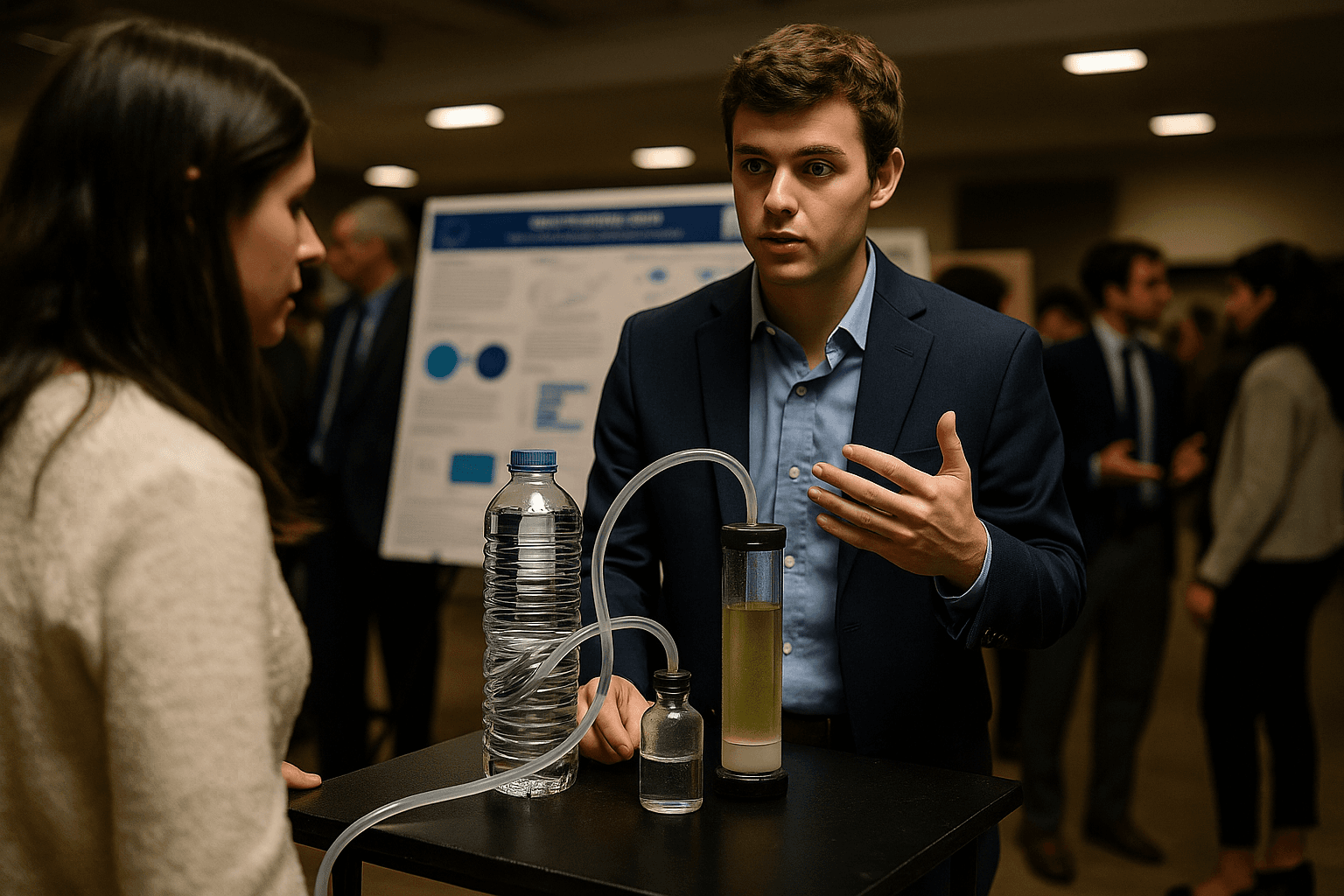
On December 4, Bucknell University filled the Elaine Langone Center’s Terrace Room with displays from 54 student teams enrolled in Engineering 100. The annual expo put a spotlight on creative problem solving and introduced first year students to engineering disciplines through tangible prototypes and demonstrations. Projects ranged from a system to convert urine into potable water to portable devices powered by sunlight, illustrating an emphasis on low resource solutions and basic infrastructure needs.
The course is designed to give students an entry level experience in engineering thinking and design, with faculty guiding teams to address technical challenges and to consider real world applicability. Instructors and students emphasized the learning value of taking a concept from idea to working model, and many teams framed their work around community needs. For Union County residents the projects on display offer more than academic curiosity, they present potential avenues for addressing gaps in water access, emergency preparedness, and decentralized power for health related devices.
The urine to potable water project has clear public health relevance. Safe drinking water remains a determinant of health, and locally adaptable treatment methods could support rural homes, outdoor recreational sites, and emergency response plans. The solar powered handheld device concepts point to opportunities for powering communication and basic medical equipment in areas with limited grid reliability. Both lines of work intersect with health equity, because communities that face infrastructure neglect are often the same communities that experience worse health outcomes.
Beyond the technical demonstrations the expo served as a pipeline moment for students from Union County and the surrounding region. Exposure to engineering problem solving can broaden access to STEM pathways, and encourage future career choices that bring technical capacity into local public health and municipal services. The event also suggests policy priorities for local leaders, including investing in community university partnerships, funding translational research that addresses local needs, and incorporating student generated innovations into emergency and health planning.
As students complete Engineering 100, some teams are exploring next steps for testing, refining, and seeking partnerships to move prototypes closer to practical use. For residents and policymakers alike, the expo offered a concrete reminder that early stage student work can be aligned with community health goals and the pursuit of greater equity across Union County.
Sources:
Know something we missed? Have a correction or additional information?
Submit a Tip