Build better practice tracks to improve FPV drone racing skills
Learn a simple formula to build repeatable practice tracks that sharpen FPV racing skills and speed. Practical layouts, drills, and tracking tips to get measurably faster.
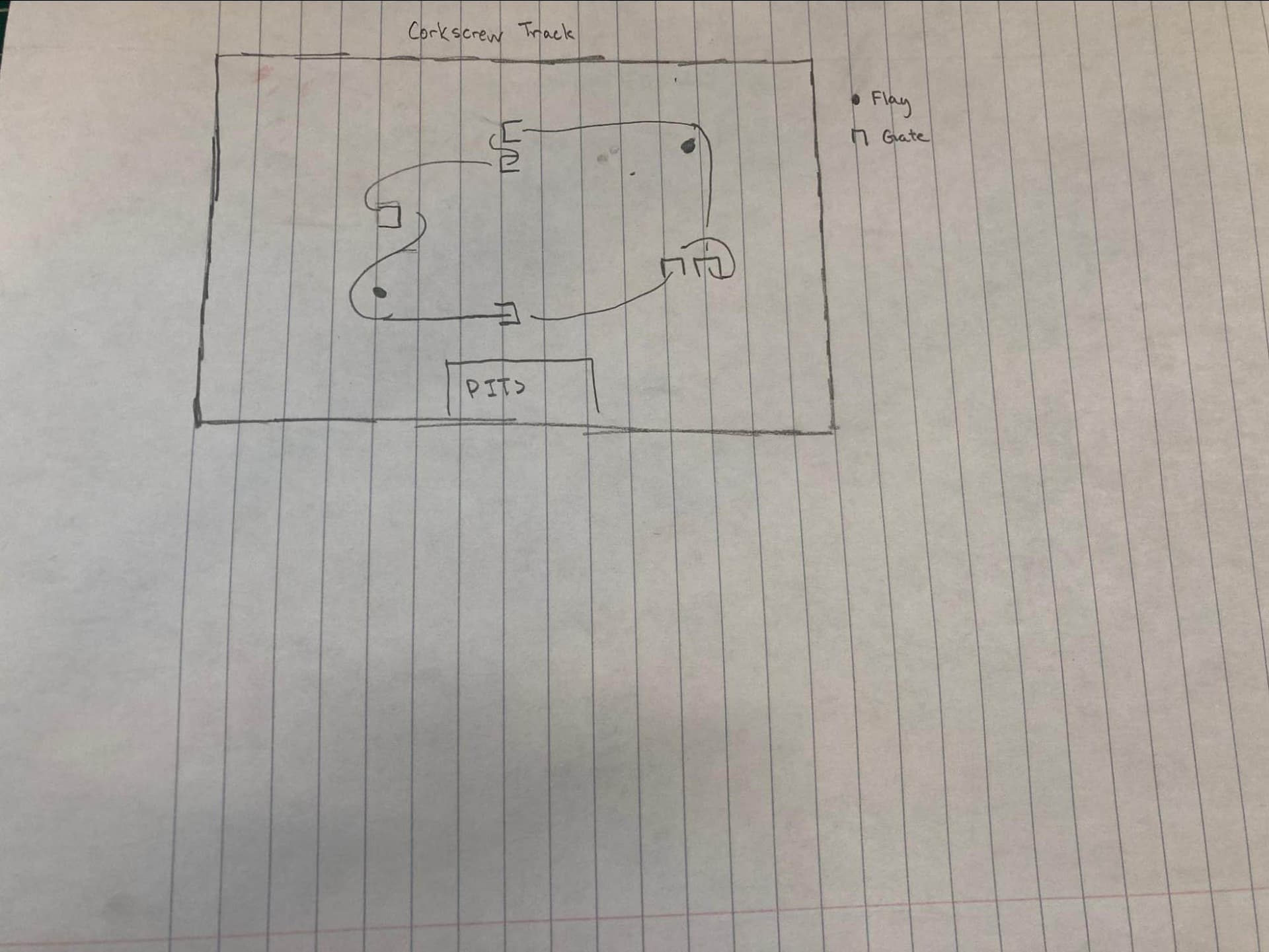
1. Fundamentals: the three core elements every practice track needs
Start with a simple palette: straight sections for speed control, medium-speed S-turns for line choice, and two gate types (wide and narrow) to force throttle modulation and precision. Keep each element repeatable so you can isolate problems—if your S-turns are messy, run S-only laps until the line becomes habit. This focused repetition is the fastest way to convert bad habits into clean inputs on race day.
2. Two-section rule: one technical section and one flow section
Design each small track to include exactly one technical section (tight chicane, quick 90° turn, or stacked gates) and one flow section (sweepers, long straight, or rhythm gates). The technical section trains snap corrections, clean accelerations out of corners, and crash-avoidance instincts under pressure. The flow section teaches you how to carry speed, choose long lines, and read cadence—both are needed to perform across heats.
- narrow gate width: roughly 1.2–1.8 m (4–6 ft) to practice tight passing lines
- wide gate width: roughly 2.4–3.6 m (8–12 ft) for flow and comfort zones
- gate-to-gate spacing: short tech intervals 3–6 m, medium S-turns 6–12 m, long straights 12–25 m depending on your battery class and speed
3. Gate types and spacing guidelines
Use two gate widths to simulate race variety: narrow gates to force precision and wide gates to reward clean line choice. Recommended spacing for practice builds:
These ranges keep setups low-cost while giving realistic sight-picture adjustments; when possible, match MultiGP gate specs at club events to build transferable skills.
4. Vary lighting and sight picture to simulate race-day conditions
Change lighting and background contrast to train visual adaptation: low sun, backlit gates, or mixed shadow patches each demand different throttle and head positioning. Practice with flagging, colored duct tape, or LED strips to alter contrast quickly between rounds. These variations reduce surprise on race day and improve your ability to lock gates in a shifting visual environment.
5. Progressive drills: a simple three-tiered session plan
Run drills in a clear progression to build pace without breaking consistency:
1. Single-lap consistency: fly one clean lap repeatedly for muscle memory and line confirmation.
2. Three-consecutive-lap pace: string three laps at race-intent speed without mistakes to build stamina and focus.
3. Timed runs: go all-out for a fixed window (e.g., 90 seconds) or set number of laps to measure peak output.
Work up the ladder each session; if you crash, step back one rung and rebuild. This process turns raw throttle spamming into controllable speed.
6. Track progress: lap timers, video, and Blackbox logs
Use objective tools: lap timers to measure session averages, onboard Blackbox logs to analyze stick input and RPM spikes, and video to assess line choices and sight picture mistakes. Aim for a single measurable improvement each session—examples: reduce your 3-lap average by 1.5 seconds or eliminate a recurrent crash at a chicane. Small, targeted wins compound faster than vague “get faster” goals.

- Beginner loop: long straight, medium S, wide gate finish — great for throttle control and basic line learning.
- Technical li’l loop: narrow gate chicane, tight 90°, short straight — ideal for power-on exits and snap recovery.
- Flow combo: long sweeper into a narrow gate punch, then a medium-speed S — trains both carry and precision.
7. Example layouts you can build in an hour
Keep designs modular so you can reconfigure quickly between pilots:
Label pylons and use reusable anchors (sandbags, tent pegs) so the club can rebuild the same course next week and measure real progress.
8. Low-cost materials and MultiGP alignment
Build tracks with PVC frames, duct-taped hula hoops, cones, and LED strips to keep costs down and field setup fast. When your club can, align gate spacing and flags to MultiGP guidelines for easier transition to league races; where exact specs aren’t practical, aim for consistent measurements across sessions so times mean something. A repeatable, inexpensive toolbox keeps practice frequent and accessible.
9. Spotters, pit layout, and safety compliance
Practice with spotters for situational awareness and to keep you racing within local rules—rotate spotters so everyone learns both flying and spotting skills. Set a clear pit area, marked spectator lines, and a safety brief before sessions; confirm local field permissions and frequency/firmware rules before powering up. Safe sessions are the foundation for more flying hours and faster pilots.
10. Session scripting and single-focus targets
Plan each hour with a script: 10 minutes warm-up, 20 minutes drill ladder, 20 minutes timed runs, 10 minutes review (video/Blackbox). Pick one measurable target—e.g., shave 2 seconds off your 3-lap average or remove one crash point—and center the session around it. This discipline turns practice into progress instead of random airtime.
Closing practical wisdom Trim distractions, fly with intention, and measure one thing at a time—consistent small changes beat chaotic mileage. Build a track you can reconstruct in ten minutes, run focused drills, and log one clear metric each session; over weeks those marginal gains add up into real race speed. Get the setup right, respect safety, and keep swapping lines—your next PR is in the reps.
Sources:
Know something we missed? Have a correction or additional information?
Submit a Tip